
Maduro Torture Charges
Maduro Torture Charges Add a New Chapter to U.S. Case
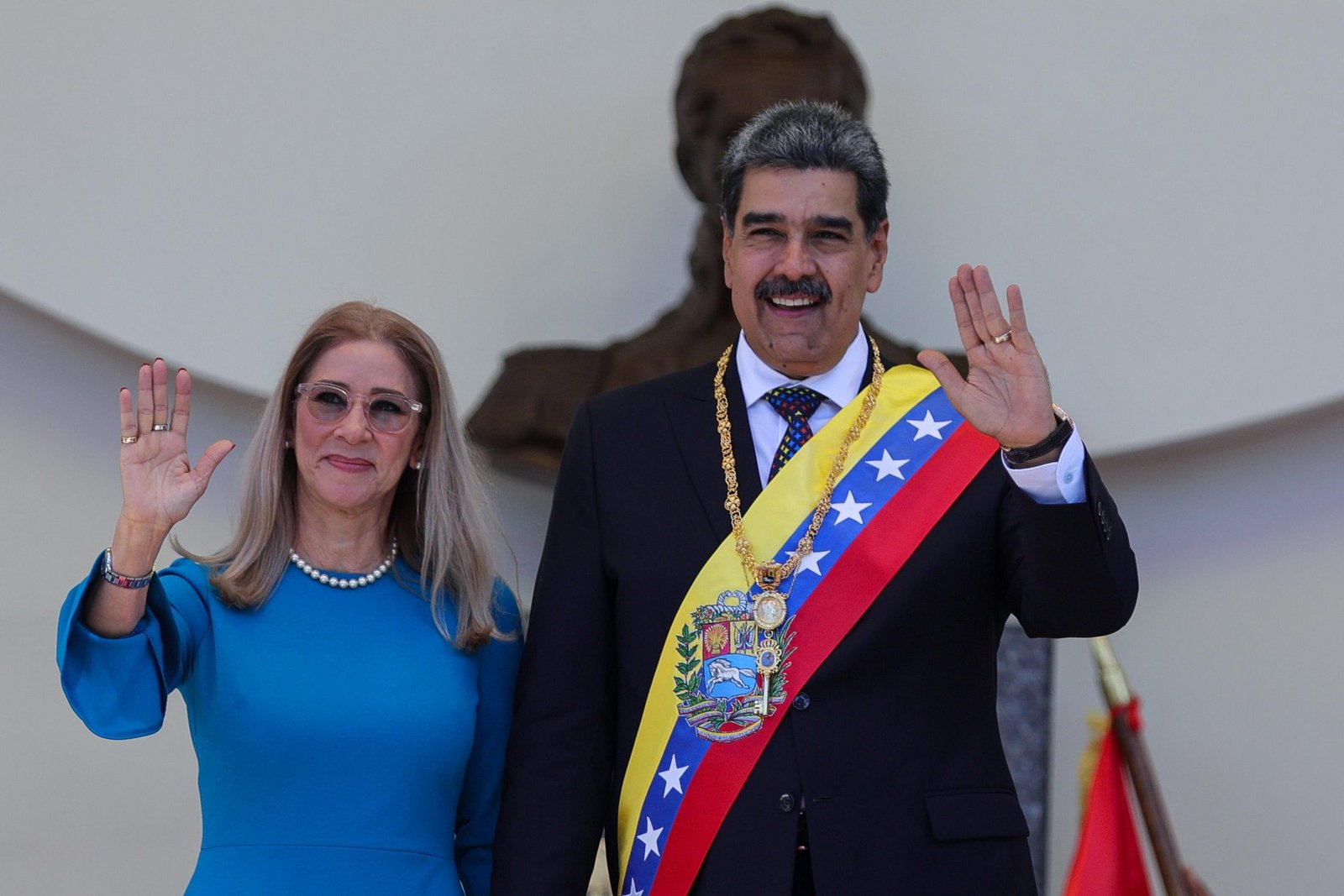
Maduro Torture Charges have added a major new dimension to the federal criminal case against former Venezuelan President Nicolás Maduro and his wife, Cilia Flores.
U.S. federal prosecutors in New York have filed a superseding indictment accusing the couple of conspiring to torture political opponents and American citizens who were detained in Venezuela during Maduro’s time in power.
The new allegations come on top of the drug-trafficking and narcoterrorism charges the couple were already facing in the United States.
Prosecutors allege that Maduro oversaw a system of repression involving Venezuela’s military, intelligence agencies and security forces. The indictment accuses authorities of using torture and other forms of abuse against people considered political opponents or potential threats.
Maduro and Flores have pleaded not guilty to the earlier charges and have denied wrongdoing. The new torture allegations still must be proven in court.
What Are the New Charges?
The new indictment adds a charge of conspiracy to commit torture against Maduro.
Flores also faces a conspiracy-to-commit-torture charge, in addition to the existing allegations against her. She has not yet entered a plea to the new torture count.
According to federal prosecutors, the alleged system of abuse included electric shocks, beatings, asphyxiation, forced nudity, sexual violence, prolonged isolation, deprivation of food and water, and psychological threats.
Prosecutors say the alleged purpose was not only to punish detainees but also to suppress political opposition and maintain Maduro’s grip on power.
The indictment specifically describes allegations involving more than a dozen American citizens who were detained by Venezuelan authorities.
That makes the case particularly significant for the U.S. government.
Americans Are Among the Alleged Victims
One of the most serious aspects of the new indictment is its description of alleged abuse against U.S. citizens.
The indictment identifies victims by numbers rather than publicly naming them in the charging document.
According to prosecutors, one American was allegedly beaten and subjected to electric shocks during detention. Another was allegedly severely beaten and suffered a permanent eye injury.
A third American was allegedly subjected to repeated beatings, electric shocks and asphyxiation while being held in Venezuelan custody.
Prosecutors also allege that some Americans were viewed as potential bargaining chips in negotiations with Washington.
In one case, the indictment says an American detainee was allegedly kept alive partly because his U.S. citizenship could make him useful in a possible prisoner exchange.
These allegations are among the most consequential parts of the new federal case.
The Allegations Against Maduro
Federal prosecutors allege that Maduro was not simply aware of abuses carried out by security forces but actively participated in a system that authorized and encouraged torture.
The indictment says Maduro received updates about specific detainees and their treatment.
Prosecutors also allege that he approved or discussed the use of abusive interrogation methods against people considered threats to his government.
In one allegation involving a Venezuelan military officer, prosecutors say security personnel used electric shocks and suspended the detainee by his hands and feet during interrogation.
The indictment also alleges that Maduro personally threatened the life of a prisoner’s child as a form of psychological pressure.
These are allegations made by federal prosecutors and have not been established as facts at trial.
What Prosecutors Allege About Cilia Flores
Cilia Flores, Maduro’s wife, also faces serious allegations.
Flores is a former Venezuelan legislator and attorney general. Prosecutors accuse her of helping develop and maintain the system of repression described in the indictment.
According to the charging document, she agreed with proposals to use torture against suspected political opponents.
Prosecutors also allege that Flores personally ordered abusive treatment of certain detainees.
Her attorneys have challenged the government’s case and have previously sought dismissal of the charges against her and Maduro.
The couple’s defense has also raised arguments involving immunity and their former status as leaders of a sovereign country.
Those legal arguments will be considered by the federal court as the case moves forward.
Maduro and Flores Were Captured in January
The new case follows an extraordinary development earlier this year.
Maduro and Flores were captured by U.S. forces in Caracas on January 3, 2026, and brought to New York to face federal criminal charges.
The operation ended Maduro’s 13-year tenure as Venezuela’s president. Venezuela is now led by former Vice President Delcy Rodríguez, who has taken steps toward greater cooperation with the Trump administration.
Maduro has described his capture as a kidnapping and has characterized himself as a prisoner of war.
The U.S. government has described the operation as a law-enforcement action.
The dispute over the circumstances of his capture is separate from the criminal allegations now being considered in federal court.
The Original Drug Case
Before the torture allegations were added, Maduro and Flores were already facing a major federal prosecution.
The original case accused Maduro and others of participating in a conspiracy involving cocaine trafficking and narcoterrorism.
The indictment also included charges involving machine guns and destructive devices.
Maduro and Flores pleaded not guilty to those charges.
Their lawyers have argued that they are entitled to immunity because Maduro was Venezuela’s head of state and Flores was the country’s first lady.
The U.S. government has rejected those arguments.
The new torture charges now give prosecutors another significant set of allegations to pursue in the same broader case.
Why the New Charges Matter
The addition of the torture allegations changes the scope of the prosecution.
The original charges focused largely on alleged drug trafficking and the relationship between Maduro’s government and criminal organizations.
The new indictment puts alleged human rights abuses at the center of the case.
That could bring testimony from former detainees, Venezuelan officials and former security personnel.
One important potential witness is former Venezuelan intelligence chief Hugo Carvajal.
Carvajal previously broke with Maduro, pleaded guilty to drug-trafficking charges in the United States and has offered to testify against his former leader.
His potential testimony could become relevant to prosecutors as they attempt to establish what Maduro and other senior officials knew about the alleged abuses.
A $300 Million U.S. Judgment Had Already Been Issued
The new criminal charges also come months after a separate U.S. civil case involving alleged torture.
In May, former U.S. Marine Matthew Heath and another former prisoner won a $300 million default judgment against Maduro and other Venezuelan officials.
The lawsuit alleged that Americans detained in Venezuela had been subjected to abuse including waterboarding, electrocution, threats and harsh prison conditions.
A default judgment is different from a criminal conviction.
It was issued after the defendants did not contest the civil case in the way required by the court.
The new federal prosecution is a separate criminal proceeding in which prosecutors must prove the charges according to the applicable legal standards.
Flores Seeks Release From Jail
While the new charges were being unsealed, Flores was also asking a federal judge to release her from detention.
Her attorneys cited health concerns, including heart-related problems and a possible need for a medical procedure.
They proposed placing Flores under house arrest with private security.
Federal prosecutors opposed the request, arguing that Flores posed a significant flight risk and could potentially interfere with witnesses.
The judge denied her request for release.
The decision means Flores will remain in federal custody as the case continues.
Her detention status does not determine whether she will ultimately be convicted of the charges.
What Happens Next in Court?
The new indictment will require Maduro and Flores to formally address the additional allegations.
The court will then consider pretrial motions, evidence and other legal questions before any trial begins.
Their original federal trial is currently scheduled to begin in June 2027, according to Reuters reporting.
The defense may challenge the new charges, the government’s jurisdiction and the admissibility of evidence.
Prosecutors, meanwhile, will likely work to establish a connection between the alleged abuses and the leadership structure of Maduro’s government.
That could make testimony from former Venezuelan officials and detainees particularly important.
The Case Has International Implications
The prosecution is also being closely watched outside the United States.
Human rights organizations have for years accused Maduro’s government of arbitrary detention, political repression and abuse of prisoners.
Maduro has consistently denied wrongdoing.
The International Criminal Court has separately examined allegations involving possible crimes against humanity in Venezuela.
The U.S. criminal case is different from the ICC investigation, but the allegations overlap in a broader debate over accountability for alleged abuses committed during Maduro’s years in power.
What the New Charges Do — and Do Not — Prove
It is important to distinguish between an indictment and a conviction.
An indictment represents prosecutors’ allegations that they believe can be supported by evidence.
It does not establish guilt.
Maduro and Flores remain entitled to the presumption of innocence unless and until prosecutors prove the charges in court.
The details contained in the indictment are therefore expected to become a major focus of the upcoming legal proceedings.
The defense will have an opportunity to challenge the government’s evidence and present its own arguments.
Why Americans Are Watching the Case
The involvement of American citizens makes the prosecution particularly significant in the United States.
For years, American detainees in Venezuela have been part of tense diplomatic negotiations between Washington and Caracas.
Some Americans were eventually released through prisoner exchanges or other diplomatic arrangements.
The new indictment alleges that some detainees were tortured and that their U.S. citizenship was sometimes considered in deciding how they could be used in negotiations.
If prosecutors can establish those allegations in court, the case could have broader implications for how the United States responds when Americans are detained and allegedly abused by foreign governments.
A Major Test for the U.S. Justice System
The Maduro case now involves allegations that go far beyond financial crimes or drug trafficking.
It raises questions about accountability, foreign leaders, diplomatic immunity and alleged human rights abuses.
The prosecution will have to address difficult legal issues while presenting evidence about events that allegedly occurred inside Venezuelan prisons and intelligence facilities.
For victims and their families, the case could provide an opportunity for testimony in a U.S. courtroom.
For Maduro and Flores, the proceedings represent a serious legal challenge in which the government’s allegations must still be tested through the judicial process.
Important News Takeaway
Maduro Torture Charges have significantly expanded the U.S. federal case against former Venezuelan President Nicolás Maduro and his wife, Cilia Flores.
Federal prosecutors now accuse the couple of conspiring to commit torture against political opponents and American citizens detained in Venezuela. The indictment alleges abuses including electric shocks, beatings, asphyxiation, psychological threats and other forms of mistreatment.
The couple already faced drug-trafficking and narcoterrorism-related charges and have pleaded not guilty to those earlier allegations. The new torture charges must also be proven in federal court.
Flores’ request for release from federal detention was denied, while the broader case is moving toward a trial currently scheduled for June 2027.
For now, the new indictment represents a major escalation in the U.S. prosecution, but the allegations remain allegations until they are tested in court.
THANKS FOR READING