
Updated Oct. 26, 2026: rewritten as a full timeline of the U.S.-Iran war, from the first strikes in February to the latest ship attacks in October, with what it means for Americans.
Quick answer: as of Oct. 26, 2026, the United States and Iran are still in a low-level war with no ceasefire in force. The conflict began on Feb. 28, 2026, when U.S. and Israeli strikes hit Iran and killed Supreme Leader Ali Khamenei. A ceasefire in April and a memorandum of understanding in June both broke down, and the June deal collapsed in July. Since then, the two sides have traded limited strikes. The U.S. keeps up a naval blockade of Iranian ports, and attacks on ships in and near the Strait of Hormuz jumped in October. Iran says the strait could reopen if the U.S. accepts its ceasefire conditions.
Here’s how the war unfolded, who decides what happens next, and how it affects gas prices, travel and military families in the U.S.
Timeline: the 2026 U.S.-Iran war
| Date | What happened |
|---|---|
| Feb. 28 | U.S. and Israeli forces strike Iran. The U.S. calls its operation Epic Fury. Supreme Leader Ali Khamenei is killed in the opening strikes. |
| March | Iran fires missiles and drones at Israel, U.S. bases and Gulf states, and moves to block the Strait of Hormuz. Fighting between Israel and Hezbollah resumes. |
| April 7–8 | President Trump announces a two-week ceasefire brokered by Pakistan. |
| Mid-April | Talks in Islamabad fail. The U.S. begins a naval blockade of Iranian ports. |
| May 5 | The U.S. says Operation Epic Fury has concluded, though tensions continue. |
| Mid-June | The U.S. and Iran sign a memorandum of understanding with a 60-day window to negotiate a final deal and reopen the strait. |
| June 23 | Iran strikes Al Udeid Air Base in Qatar, which hosts U.S. forces; Trump announces a ceasefire later that day. |
| July 6–8 | Ships are attacked in the strait; the U.S. strikes back and Trump says the truce is over. |
| August | The memorandum formally expires. Washington adds new sanctions on Iran’s oil trade. |
| September | Iran proposes a seven-day ceasefire plan. Houthi forces in Yemen escalate attacks around the Bab al-Mandab Strait. |
| October | Ship attacks surge: the UK’s maritime agency logged 23 attacks in the first 18 days. On Oct. 22, Iran’s Revolutionary Guard claimed strikes on four tankers, and three more ships hit mines, AP reported. |
Dates come from the Council on Foreign Relations conflict tracker, the Congressional Research Service, Time, CBS News and the AP. Some sources differ by a day or two on events like the June memorandum.
Where things stand right now
- No ceasefire. Talks have stalled, though both sides say proposals are still on the table.
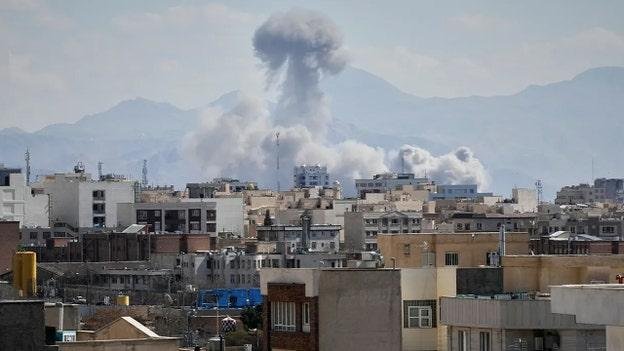
- Limited strikes. The fighting is far below the level of the first weeks, but ships, ports and military sites are still being hit.
- U.S. blockade. The U.S. Navy is blocking Iranian ports in the Persian Gulf and Gulf of Oman.
- The strait. Iran claims control over the Strait of Hormuz. Its foreign minister said on Oct. 18 that it would reopen on the sixth day if the U.S. meets Iran’s conditions.
- The midterms. The Financial Times reported that Trump opposed restarting full-scale war before the Nov. 3 elections.
Iran’s ceasefire conditions
Iran’s September plan, which its foreign minister says is still on the table, asks for:
- An end to the U.S. naval blockade of Iranian ports.
- Lifting U.S. sanctions on Iranian oil.
- A ceasefire on all fronts, including Lebanon and Yemen.
Under that plan, the strait would reopen on day six and formal negotiations would start on day seven. President Trump has said he has offered Iran nothing to get a deal, and Tehran says it’s still reviewing U.S. “comments” on the proposal.
Also read: Strait of Hormuz and U.S. Gas Prices: Why You Pay More at the Pump
Who decides what happens next
| Decision | Who makes it |
|---|---|
| U.S. strikes, the blockade and any ceasefire | President Trump, as commander in chief, with the Defense Department |
| Limits on military action | Congress, through funding and the War Powers Resolution |
| Iran’s strategy | Iran’s new leadership and the Revolutionary Guard |
| Israel’s strikes | Prime Minister Benjamin Netanyahu’s government |
| Mediation | Pakistan and Qatar have carried messages between the sides |
What it means for Americans
Gas and prices
The war is the main reason gas costs more. AAA’s national average was $4.29 a gallon on Oct. 25, compared with about $3.06 a year earlier. The government’s September inflation report showed gasoline up 34.2% over 12 months, pushing overall inflation to 3.7%.
Interest rates
Higher inflation led the Federal Reserve to raise its benchmark rate to 3.75%–4.00% on Sept. 16, its first increase since 2023. The Fed meets again on Oct. 27–28.
Travel
Airlines have rerouted flights around the region, and the State Department warns Americans not to travel to Iran. If you’re flying to the Middle East, India or parts of Asia, check your airline’s route and the State Department’s advisories before you go.
Military families
U.S. service members have been killed and hundreds wounded since February, according to reports. Military families can find support through Military OneSource, which is free and available 24/7.
Made-up example (for illustration only): These are made-up households to show how the war reaches everyday budgets.
Carla in San Antonio drives 25 miles each way to work. With gas about $1.23 a gallon higher than last year and her car using about 15 gallons a week, she spends roughly $18 more each week, close to $960 a year. She cuts back by carpooling twice a week and using a grocery fuel-points program.
Common questions, cleared up
- “Is there a military draft?” No. The U.S. hasn’t drafted anyone since 1973, and only Congress can bring a draft back. Men ages 18 to 25 still must register with the Selective Service, as they have for decades.
- “Does the U.S. buy oil from Iran?” No. U.S. sanctions bar it. The war affects American prices because oil trades on a global market.
- “Is the fighting happening inside the U.S.?” No attacks on the U.S. homeland have been reported. The fighting is in and around the Middle East.
- “Can Americans travel to Iran?” The State Department says do not travel. Americans have been detained there for years, even before the war.
- “Has Congress declared war?” No. Congress hasn’t declared war on any country since World War II. Modern conflicts run under the president’s authority as commander in chief, with Congress able to limit funding or pass war powers measures.
Key dates to watch
- Oct. 27–28: The Federal Reserve’s next rate decision.
- Nov. 3: U.S. midterm elections, which could shape Congress’s role in the war.
- Any day: A response to Iran’s ceasefire proposal or new attacks in the strait.
How we got here: the background
Tensions between Washington and Tehran go back decades, through the 1979 hostage crisis, sanctions and fights over Iran’s nuclear program. In June 2025, U.S. strikes hit Iranian nuclear sites during a short war between Israel and Iran. The 2026 war began eight months later and went much further, targeting Iran’s leadership and military.
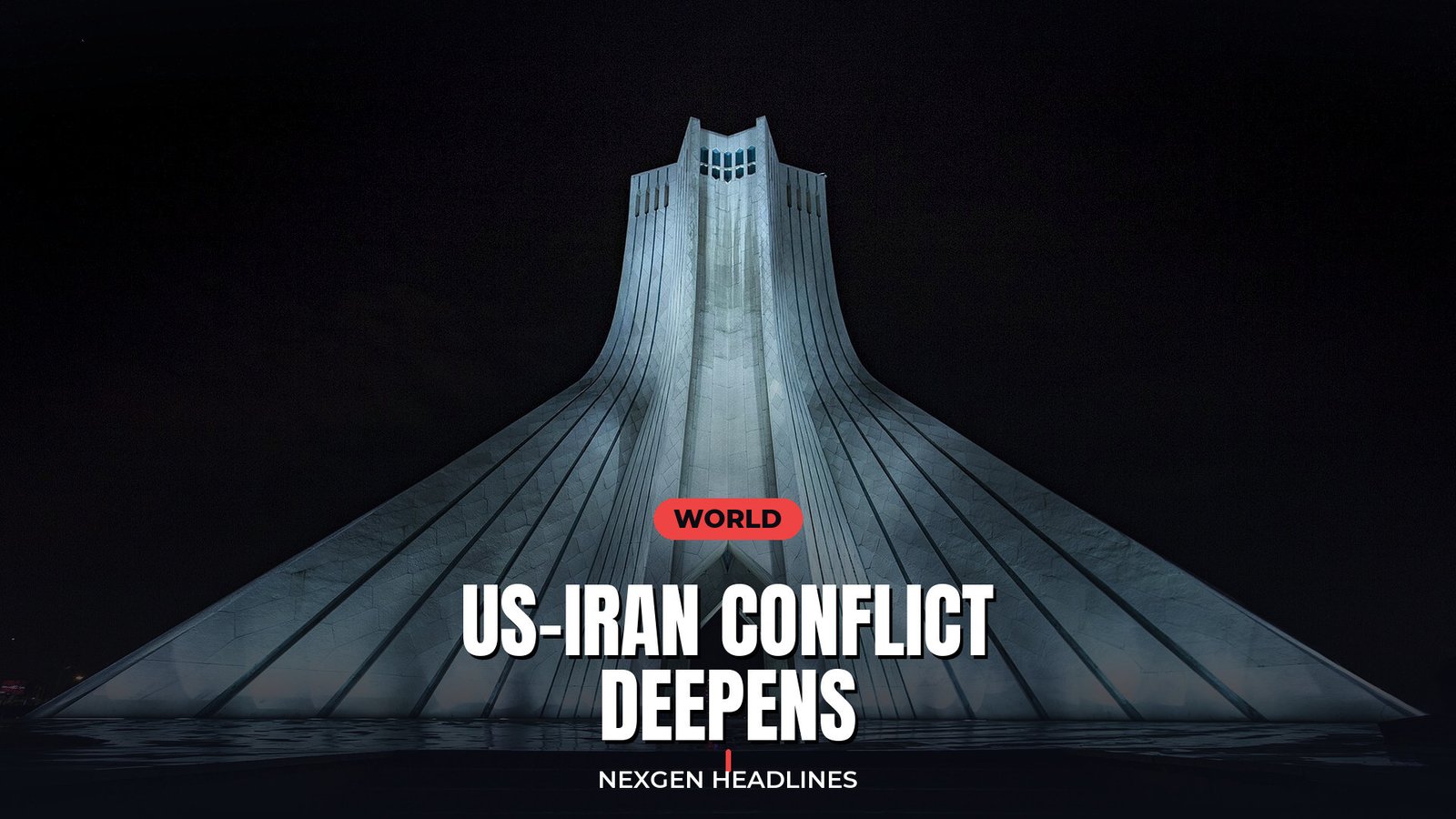
The death of Ayatollah Ali Khamenei, Iran’s leader since 1989, was a historic shift. His son Mojtaba Khamenei has been reported as a key figure in the new leadership. Iran’s Revolutionary Guard has taken a leading role in attacks on shipping.
FAQ
Is the U.S. at war with Iran?
Yes, in a limited way. The conflict began Feb. 28, 2026. Major fighting has eased, but as of late October 2026 the two sides still trade strikes and the U.S. blockades Iranian ports.
Is there a ceasefire between the U.S. and Iran?
No. An April ceasefire and a June memorandum both broke down. Iran’s September ceasefire proposal is still under discussion.
Is the Strait of Hormuz open?
Not normally. Iran claims control of the strait, and ship attacks rose in October. Iran says it would reopen the strait if the U.S. meets its conditions.
Why are gas prices so high?
The war has disrupted oil shipments through the Strait of Hormuz, where about one-fifth of the world’s oil passes. AAA’s national average was $4.29 on Oct. 25, 2026.
Who is Iran’s leader now?
Supreme Leader Ali Khamenei was killed in the first strikes. Reports describe his son, Mojtaba Khamenei, as a central figure in Iran’s new leadership.
Bottom line
Eight months in, the U.S.-Iran war has settled into a grinding standoff: no ceasefire, a U.S. blockade, and rising attacks on ships. For Americans, the clearest effects are higher gas prices, higher inflation and higher interest rates. Watch for a response to Iran’s ceasefire plan and the Fed’s decision on Oct. 28.
Last reviewed: Oct. 26, 2026. This is a developing story; we’ll add dated updates as it changes.
Sources: Council on Foreign Relations: Global Conflict Tracker; Congressional Research Service; Time: timeline; CBS News (Oct. 18); House of Commons Library; BLS: Consumer Price Index; AAA gas prices.
Featured image: A U.S. Navy aircraft carrier in the Arabian Sea (file photo). Photo: U.S. Navy via Wikimedia Commons, public domain; edited by Nexgen Headlines.