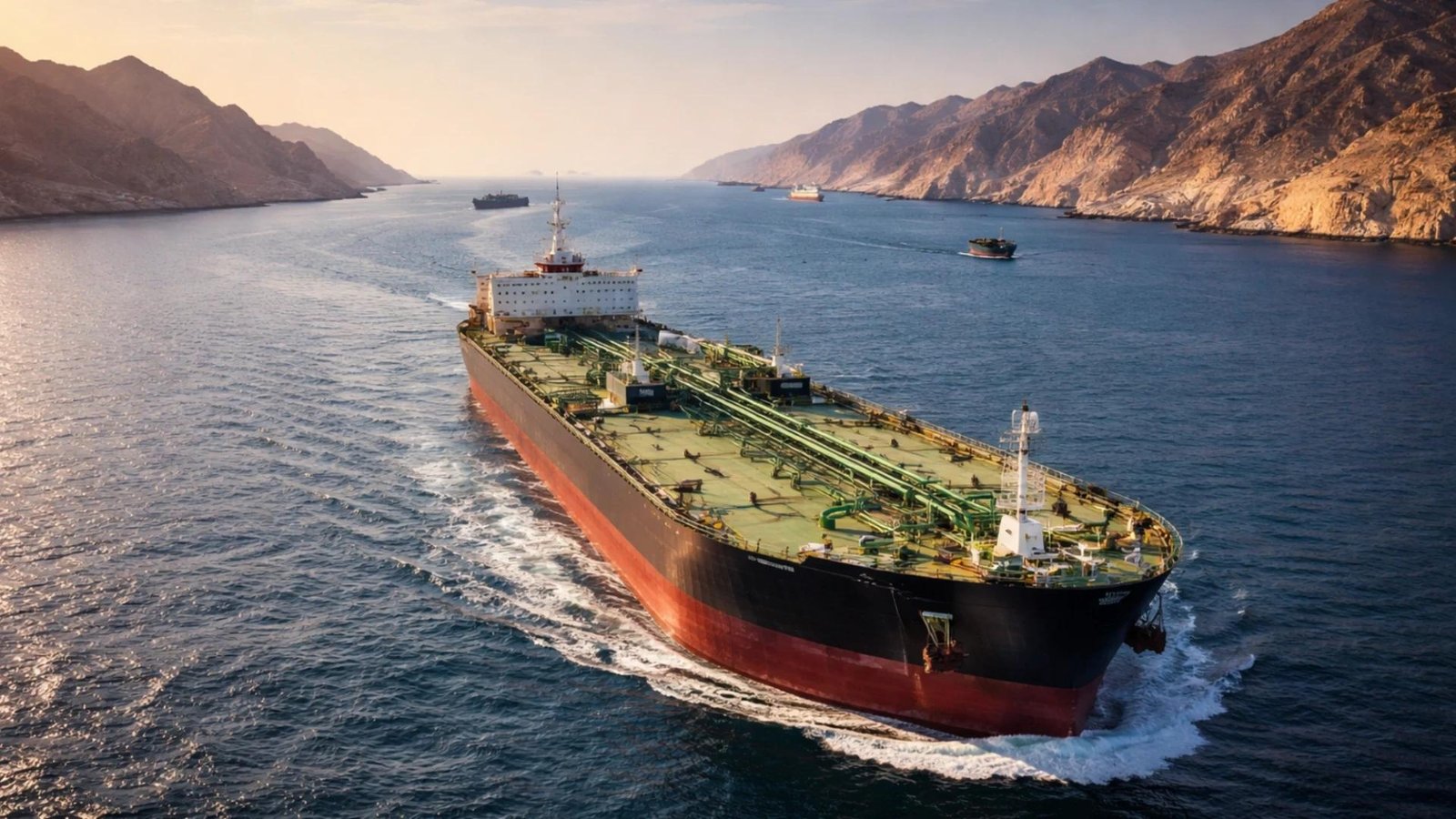

The Strait of Hormuz Insurance market has become one of the most closely watched sectors in global trade as renewed conflict in the Middle East reshapes one of the world’s busiest and most strategically important shipping routes. Every day, billions of dollars’ worth of crude oil, liquefied natural gas, and commercial cargo pass through the narrow waterway linking the Persian Gulf to the Gulf of Oman and the Arabian Sea.
When geopolitical tensions rise, the risks facing shipowners increase almost instantly. Missiles, drones, naval incidents, sea mines, and electronic interference can turn an ordinary voyage into a multimillion-dollar gamble. In response, marine insurers and brokers move just as quickly, adjusting war-risk premiums, rewriting policies, and deciding whether ships can safely enter the strait.
Recent events have once again demonstrated that maritime insurance is not simply paperwork—it is an essential part of keeping global trade moving. Following renewed military activity in the region, insurers have reassessed risks, and war-risk premiums remain far above pre-conflict levels.
Why the Strait of Hormuz Matters
The Strait of Hormuz Insurance is one of the world’s most important maritime chokepoints.
A significant share of globally traded oil and natural gas moves through this narrow passage each day. Any disruption—whether caused by military conflict, political disputes, or attacks on commercial vessels—can affect global energy markets within hours.
Because so much of the world’s energy supply depends on safe navigation through the strait, governments, shipping companies, insurers, and energy traders closely monitor developments there.
Even small increases in perceived risk can influence shipping costs, fuel prices, and global inflation.
How Marine Insurance Responds to Conflict
The latest Strait of Hormuz Insurance developments show how rapidly insurers react during geopolitical crises.
Unlike standard marine insurance, war-risk insurance specifically covers damage caused by armed conflict, missile attacks, terrorism, piracy, mines, and similar threats.
When tensions escalate, underwriters immediately reassess their exposure.
Following recent conflict in the region, many existing war-risk policies were canceled and replaced with new policies carrying substantially higher premiums that reflected the increased danger.
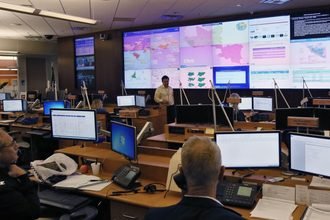
Instead of relying on long-term assumptions, insurers now evaluate conditions almost in real time.
Premiums Can Change Within Hours
One of the most remarkable aspects of today’s Strait of Hormuz Insurance market is the speed at which prices change.
Before the conflict intensified, war-risk premiums for ships crossing the strait generally ranged from approximately 0.25% to 0.5% of a vessel’s value.
After hostilities escalated, some premiums surged to as much as 10% of a ship’s value before later easing to roughly 1% to 3% as conditions stabilized somewhat. For a tanker valued at $100 million, even a 10% premium represents a $10 million insurance cost for a single voyage.
This extraordinary volatility illustrates how closely insurance markets track geopolitical developments.
Lloyd’s of London Remains at the Center
Much of the world’s marine insurance is arranged through Lloyd’s of London, a marketplace that has insured ships for more than three centuries.
Despite operating inside one of London’s most recognizable modern buildings, Lloyd’s preserves centuries-old traditions. Historic “Loss Books” documenting shipwrecks are still updated by hand using quill pens, symbolizing the long history of maritime risk management.
Today, however, technology allows brokers and underwriters to evaluate risks within minutes instead of days.
This combination of tradition and innovation makes Lloyd’s one of the world’s leading centers for marine insurance.
Coverage Is Becoming Shorter and More Flexible
Conflict has also changed how insurance policies are written.
Normally, marine insurance might be arranged a day or two before a voyage begins.
Now, brokers often price Strait of Hormuz Insurance just hours before ships enter the waterway because the security situation can change so quickly.
Some policies remain valid for only three to seven days before requiring renegotiation.
Shipping companies must therefore remain in constant communication with brokers, insurers, naval authorities, and port operators.
Creative Solutions to Manage Risk
Insurers are introducing innovative approaches to encourage safe operations.
Some underwriters now offer no-claims bonuses, returning part of the premium if a vessel completes its transit without incident.
These incentives reward safe navigation while helping shipowners offset unusually high insurance costs.
At the same time, insurers carefully review vessel routes, crew experience, cargo type, naval escort arrangements, and security procedures before agreeing to provide coverage.
Every voyage receives individual assessment rather than relying on standardized pricing.
The Human Side of Maritime Risk
Insurance discussions often focus on ships and cargo, but people remain at the center of every voyage.
Thousands of seafarers continue operating commercial vessels despite heightened security risks.
Reports indicate that multiple mariners have lost their lives since the latest conflict began, reminding the industry that maritime security involves human safety as much as financial protection.
Crews frequently request confirmation that insurance coverage is active before entering dangerous waters, ensuring their families would receive financial support should tragedy occur.
Economic Consequences Beyond Shipping
Higher Strait of Hormuz Insurance costs eventually ripple throughout the global economy.
When shipping expenses increase, businesses transporting oil, chemicals, manufactured goods, and consumer products often face higher operating costs.
Some of those additional expenses may eventually be passed on to consumers through higher prices.
Energy markets also react quickly.
Any disruption affecting the strait can influence crude oil prices, fuel costs, airline expenses, manufacturing, and inflation worldwide.
Challenges Still Facing the Industry
Although some insurance premiums have declined from their peak, major risks remain.
Insurers continue monitoring:
- Military activity
- Missile threats
- Sea mines
- Electronic navigation interference
- Political negotiations
- Shipping congestion
- Port security
Many experts believe insurance rates are unlikely to return to pre-conflict levels until there is sustained evidence that attacks have stopped and regional stability has improved.
Why This Story Matters
The latest developments demonstrate that insurance plays a vital role in maintaining international trade.
Without war-risk coverage, many shipping companies would simply refuse to send vessels through dangerous waters.
Marine insurance therefore functions as an essential bridge between global commerce and geopolitical uncertainty.
It allows energy supplies and commercial goods to continue moving even during periods of significant regional instability.
Looking Ahead
The future of Strait of Hormuz Insurance will largely depend on political and military developments in the Middle East.
If tensions ease and shipping routes remain secure, insurance premiums may gradually decline.
However, renewed attacks or further escalation could quickly reverse that trend.
For now, insurers, shipowners, governments, and energy companies remain on constant alert as they navigate one of the world’s most strategically important waterways.
Summary
Strait of Hormuz Insurance has become a crucial safeguard for global shipping as conflict continues affecting one of the world’s busiest maritime corridors. War-risk premiums have risen sharply, policies are being rewritten within hours, and insurers are constantly reassessing geopolitical threats before providing coverage. While these insurance measures help keep global trade moving, they also highlight how closely international commerce depends on stability in theStrait of Hormuz Insurance. As long as regional tensions persist, marine insurers will remain at the heart of protecting the vessels that carry much of the world’s energy and cargo.
THANKS FOR READING