Updated Oct. 26, 2026: expanded into a country-by-country guide to how far the U.S.-Iran war has spread, from Egypt’s Damietta port to Saudi airports, and what it means for Americans traveling or living in the region.
Quick answer: The U.S.-Iran war that began on Feb. 28, 2026 has reached well beyond Iran. Iran and its allies have struck Israel and U.S. bases and partners across the Gulf, including Qatar, Kuwait and Jordan. In July, a drone attack hit gas vessels at Egypt’s Damietta port, the first strike reported on Egyptian soil. Since September, Yemen’s Houthis have escalated attacks around the Red Sea and, in October, on Saudi airports and energy sites. Shipping through both the Strait of Hormuz and the Bab al-Mandab Strait has been disrupted. Americans in the region should follow State Department alerts.
Where the war has reached
| Country or area | What has happened |
|---|---|
| Iran | U.S. and Israeli strikes since Feb. 28; U.S. naval blockade of Iranian ports since April |
| Israel | Iranian missile and drone attacks; renewed fighting with Hezbollah in Lebanon |
| Qatar | Iran struck Al Udeid Air Base, which hosts U.S. forces, on June 23 |
| Kuwait and Jordan | Iranian attacks targeted U.S. bases, according to U.S. officials |
| Egypt | A July drone strike hit gas vessels at Damietta port on the Mediterranean, including a U.S.-linked tanker |
| Saudi Arabia | Houthi drones and missiles have targeted airports and energy sites; a projectile injured six people in Najran in October |
| Iraq | Has lost about $60 billion in oil export revenue during the war, CBS News reported |
| Yemen and the Red Sea | Houthi escalation since September; Saudi-led coalition airstrikes on Houthi areas |
| Strait of Hormuz | Repeated ship attacks; 23 attacks in the first 18 days of October, per the UK’s maritime agency |
This list covers widely reported events. Other Gulf states, including Bahrain and the UAE, have also reported attacks or interceptions during the war.
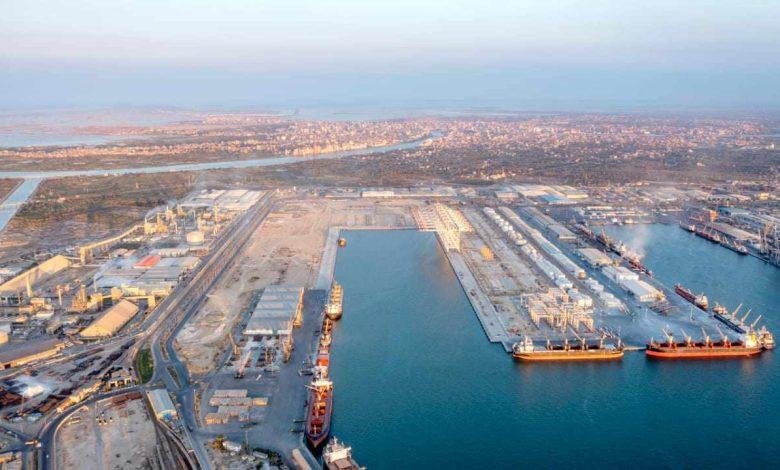
Why Egypt’s Damietta attack mattered
For months, Egypt had stayed out of the line of fire. That changed in July, when a drone hit gas vessels at Damietta, a key port for liquefied natural gas on Egypt’s Mediterranean coast. Egyptian officials said firefighters quickly brought the blaze under control, and investigators worked to determine who launched the drone.
The strike rattled shipping markets for a simple reason. With the Strait of Hormuz disrupted, more energy has been moving through other routes, including the Suez Canal and Egyptian ports. An attack there suggested that even the backup routes weren’t safe.
The second chokepoint: Bab al-Mandab
The Bab al-Mandab Strait sits between Yemen and the Horn of Africa at the southern end of the Red Sea. Ships heading to and from the Suez Canal pass through it.
Iran-backed Houthi forces escalated attacks there starting in September. That leaves global shipping squeezed at two points at once: Hormuz in the Gulf and Bab al-Mandab in the Red Sea. Some ships now take the long route around Africa, adding days to trips and raising costs.
Also read: U.S.-Iran War 2026: Timeline and Where Things Stand
Where U.S. forces are based in the region
| Country | Key U.S. presence |
|---|---|
| Qatar | Al Udeid Air Base, the largest U.S. base in the Middle East |
| Bahrain | Headquarters of the U.S. Navy’s Fifth Fleet |
| Kuwait | Camp Arifjan and other Army sites |
| United Arab Emirates | Al Dhafra Air Base |
| Jordan | Muwaffaq Salti Air Base |
| Iraq | Forces at bases including Al Asad and in Erbil |
Because these bases sit close to Iran, they’re within range of its missiles and drones. That’s a big reason the war’s footprint stretched across the Gulf so quickly.
What changed for shipping and cruises
Many shipping lines have rerouted around the region or paused sailings, and war-risk insurance for vessels has soared. Cruise lines have canceled or rerouted Gulf and Red Sea itineraries. If you have a cruise or tour booked in the region, check with the operator about changes and your refund options, and get any promises in writing.
Why it spread so far
- U.S. bases across the region. American forces are stationed in Qatar, Bahrain, Kuwait, the UAE, Jordan and Iraq. Iran has treated them as targets.
- Iran’s allies. Groups like the Houthis in Yemen and Hezbollah in Lebanon have opened their own fronts.
- Energy routes. Attacks on tankers, ports and pipelines are a way to pressure the U.S. and its partners through oil prices.
- Drones and missiles. Long-range weapons let attackers reach targets hundreds of miles away.
What it means for Americans in or traveling to the region
- Enroll in STEP. The State Department’s free Smart Traveler Enrollment Program sends security alerts and helps the embassy reach you in an emergency.
- Check the travel advisory for each country on your route. Iran is a “Do Not Travel” country for Americans.
- Confirm flight routes. Airlines have rerouted around parts of the region, which can add time and cause cancellations.
- Know your rights if a flight is canceled. On U.S. airlines, you’re generally owed a refund if your flight is canceled and you choose not to travel.
- Buy travel insurance carefully. Many policies exclude war and terrorism. Read the fine print or look for “cancel for any reason” coverage.
- Keep copies of documents and an emergency contact list on your phone and on paper.
Made-up example (for illustration only): These are made-up travelers to show how to prepare.
Ahmed, a Houston engineer, has a work trip to Dubai. Before he goes, he enrolls in STEP, checks the State Department advisory for the UAE and confirms his airline’s route. When his connecting flight is canceled because of airspace closures, he already knows he can ask for a refund or rebooking, and he gets a new flight the next day.
How Gulf countries are coping
Governments across the Gulf have stepped up air defenses and issued public safety warnings. In mid-October, Saudi Arabia warned residents of Riyadh and other regions after drone interceptions, and the operators of Riyadh’s Kingdom Centre told tenants to work remotely after a security alert, CBS News reported. Airports have faced temporary closures and delays when drones or missiles were in the air.
For the millions of foreign workers and expatriates in the region, including many Americans, that has meant more shelter drills, travel disruptions and uncertainty about the months ahead.
What it means for U.S. prices
When shipping lanes are disrupted, costs rise for everyone. The clearest effect is at the pump: AAA’s national average was $4.29 a gallon on Oct. 25, up from about $3.06 a year earlier. Longer shipping routes and higher insurance also add to the cost of imported goods. The September inflation report showed overall prices up 3.7% from a year earlier, driven by gasoline.
Who decides what happens next
| Player | Role |
|---|---|
| United States | Strikes, the naval blockade and any ceasefire terms |
| Iran and its Revolutionary Guard | Attacks on shipping and on U.S. and allied targets |
| Houthis in Yemen | Red Sea and Saudi attacks |
| Gulf states | Air defense, hosting U.S. forces, mediation |
| Pakistan and Qatar | Have carried ceasefire messages between Washington and Tehran |
What to watch
- Ship attacks: Whether October’s surge continues.
- Houthi strikes on Saudi Arabia: Attacks on energy sites could push oil prices higher.
- A ceasefire response: Iran’s seven-day plan remains on the table.
- Suez and Red Sea traffic: A sign of how safe the backup routes are.
FAQ
Which countries has Iran attacked in 2026?
Iran and its allies have struck Israel and U.S. bases and partners in several Gulf states, including Qatar, Kuwait and Jordan. Houthi forces have attacked Saudi Arabia, and a drone hit Egypt’s Damietta port in July.
What happened at Egypt’s Damietta port?
In July 2026, a drone struck gas vessels at Damietta, including a U.S.-linked tanker. It was the first reported attack on Egypt during the war. Firefighters controlled the blaze.
Is it safe to travel to the Middle East right now?
It depends on the country. Iran is a “Do Not Travel” country for Americans. Check the State Department advisory for each stop, enroll in STEP and confirm your flight routes.
What is the Bab al-Mandab Strait?
It’s the narrow sea lane between Yemen and the Horn of Africa that connects the Red Sea to the Gulf of Aden. Houthi attacks there since September have disrupted shipping to and from the Suez Canal.
Does travel insurance cover war?
Often not. Many policies exclude war and terrorism. Read the exclusions, or consider “cancel for any reason” coverage, which costs more.
Bottom line
The U.S.-Iran war is no longer just between two countries. It has touched Israel, the Gulf states, Egypt, Saudi Arabia and the Red Sea, squeezing two of the world’s key shipping lanes. If you travel to the region, enroll in STEP and check advisories. At home, the war’s main cost shows up in gas prices and inflation.
Last reviewed: Oct. 26, 2026. This is a developing story.
Sources: CBS News (Oct. 18); Council on Foreign Relations; ABC News; State Department travel advisories; STEP enrollment; AAA gas prices.
Featured image: U.S. Air Force F-35A jets at Al Udeid Air Base, Qatar, in 2023 (file photo). Photo: Tech. Sgt. Leah Ferrante / U.S. Air Force via Wikimedia Commons, public domain; edited by Nexgen Headlines.