Ukraine Russia Drone Attacks intensified after one of the deadliest strikes inside Russia in two years left warehouse workers among those killed, raising new concerns about the war’s expanding reach.
The Ukraine Russia Drone Attacks have entered a new and more dangerous phase after a wave of long-range drone strikes inside Russia became one of the deadliest cross-border attacks in the past two years. Russian officials reported that at least eight people were killed, including warehouse workers, while dozens of others were injured after drones struck logistics facilities, industrial sites, and energy infrastructure across several Russian regions. Ukrainian officials said the targets were linked to Russia’s military supply chain, while Russia described the attacks as strikes on civilian facilities.
The latest escalation highlights how the conflict is increasingly reaching deep into Russian territory, expanding beyond the front lines and placing strategic infrastructure under growing pressure. At the same time, Russia continued launching missile and drone attacks against Ukrainian cities, underscoring that the war remains highly active on both sides.
Deadliest Cross-Border Strike in Two Years
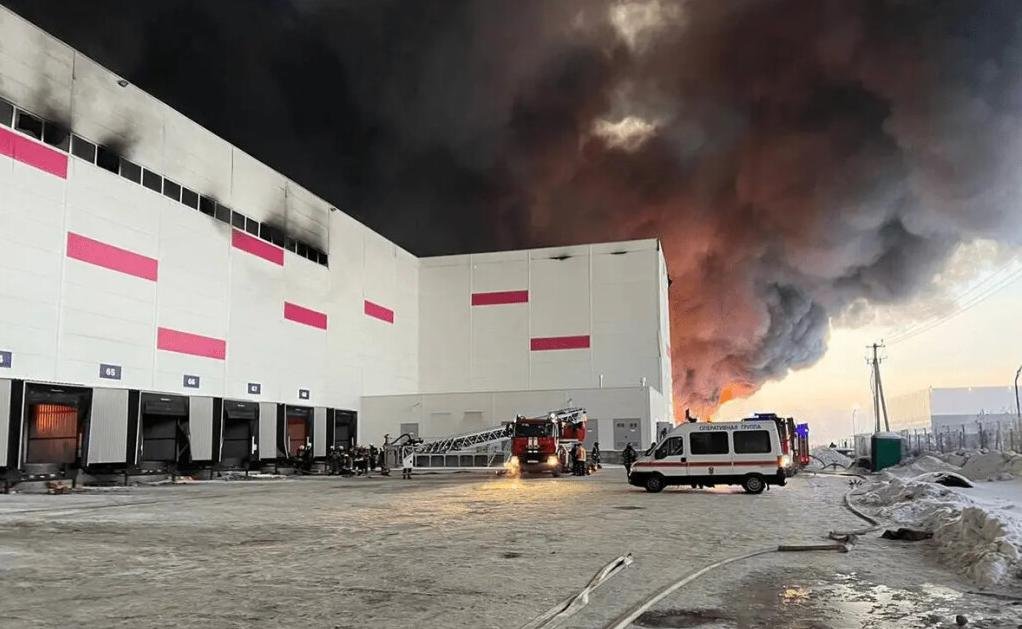
According to Russian regional authorities, the most severe attack occurred in the Tambov region, where drones struck a warehouse operated by Wildberries, Russia’s largest online retailer.
Officials said seven warehouse employees working the overnight shift were killed instantly, while dozens more suffered injuries. Another drone attack hit a separate Wildberries logistics center near Moscow, injuring additional workers and causing extensive damage to the facility.
Emergency crews responded throughout the night as firefighters battled large blazes and medical teams treated the injured.
Ukraine Says Military Logistics Were Targeted
Ukraine acknowledged carrying out long-range strikes but said the operations were aimed at logistics hubs supporting Russia’s military capabilities.
President Volodymyr Zelenskyy said the facilities were allegedly being used to supply sanctioned components, drone technology, and navigation equipment connected to Russia’s war effort. Ukraine has increasingly targeted infrastructure it believes contributes to Russian military operations rather than focusing solely on front-line positions.
Russia, however, maintains that the attacks struck civilian infrastructure and caused unnecessary civilian casualties.
Oil Depot Also Hit Near Moscow
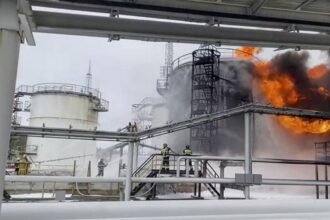
The Ukraine Russia Drone Attacks also reached the Moscow region, where drone debris reportedly ignited a fire at an oil storage facility in Noginsk.
Regional officials said the blaze required a major emergency response, and nearby residents were evacuated as a precaution. A maternity hospital in the area was temporarily evacuated because of safety concerns while firefighters worked to contain the fire.
Although the damage was significant, authorities said emergency responders prevented the fire from spreading further.
Russia Reports Hundreds of Drones Intercepted
Russia’s Defense Ministry stated that its air defense systems intercepted hundreds of Ukrainian drones across numerous regions overnight.
Officials said drones were detected over central Russia, border regions, occupied Crimea, and nearby waters. Despite those interceptions, several drones reached their intended targets, illustrating both the scale of the operation and the continuing challenge of defending vast areas against coordinated drone attacks.
Military analysts say the growing range and sophistication of Ukrainian drones have changed the security landscape since the war began.
A New Phase of Long-Range Warfare
The latest Ukraine Russia Drone Attacks reflect how modern warfare is evolving.
Instead of relying only on artillery or ground offensives, both Russia and Ukraine are increasingly using drones to strike infrastructure hundreds of miles behind enemy lines.
These attacks can disrupt logistics, damage energy facilities, interrupt transportation, and create economic pressure without requiring large-scale troop movements.
Experts say long-range drones have become one of the defining technologies of the conflict.
Impact on Civilians
Although military infrastructure remains a primary focus for both sides, civilians continue to suffer the consequences of the war.
Warehouse employees, emergency responders, nearby residents, and workers at industrial sites have increasingly found themselves in areas affected by attacks.
Humanitarian organizations continue urging all parties to comply with international humanitarian law and take every feasible precaution to protect civilians during military operations.
The latest deaths once again highlight the human cost of a conflict that has now stretched into its fifth year.
Economic Consequences Continue to Grow
The damaged logistics facilities also raise concerns about broader economic effects inside Russia.
Large distribution centers play an important role in delivering consumer goods, supporting regional businesses, and maintaining supply chains.
Damage to warehouses, transportation hubs, and fuel infrastructure can disrupt deliveries, increase operating costs, and place additional pressure on businesses already dealing with wartime economic challenges.
Insurance costs for industrial facilities have also risen as attacks become more frequent.
Russia Responds With Continued Strikes
As Ukraine expanded its long-range operations, Russia continued launching missile and drone attacks against Ukrainian cities.
Officials in Ukraine reported additional strikes on civilian and infrastructure targets, while emergency services continued rescue operations following recent attacks.
The exchange of attacks demonstrates that neither side appears ready to reduce military operations despite repeated international calls for negotiations.
International Attention Intensifies
Governments across Europe and North America continue closely monitoring developments.
Security analysts warn that continued escalation could further affect regional stability, energy markets, and international diplomacy.
Although diplomatic discussions remain active among several international partners, no breakthrough toward a comprehensive ceasefire has been announced.
Many observers believe the conflict may continue relying heavily on long-range drones, missiles, and precision strikes in the months ahead.
What Happens Next?
Military experts expect both Russia and Ukraine to continue adapting their strategies.
Ukraine is likely to pursue additional attacks against logistics, energy, and military support infrastructure, while Russia is expected to strengthen air defenses and continue offensive operations against Ukrainian territory.
The effectiveness of air defense systems, drone technology, and intelligence gathering will remain critical factors influencing future developments.
Why This Story Matters
The latest Ukraine Russia Drone Attacks illustrate how the war is increasingly extending beyond traditional battlefields.
Long-range drone operations are changing military strategy, affecting civilians, disrupting economic infrastructure, and influencing international security discussions.
As both countries continue expanding their capabilities, the conflict remains one of the world’s most significant geopolitical crises.
Summary
The Ukraine Russia Drone Attacks reached a new level after one of the deadliest cross-border operations inside Russia in two years killed at least eight people, including warehouse workers, and injured dozens more. Ukrainian officials said the strikes targeted logistics facilities connected to Russia’s military supply chain, while Russian authorities described them as attacks on civilian infrastructure. Fires at warehouses and an oil depot, combined with continuing Russian strikes inside Ukraine, demonstrate that the conflict is becoming increasingly dependent on long-range drone warfare, with serious humanitarian, economic, and security consequences.
THANKS FOR READING