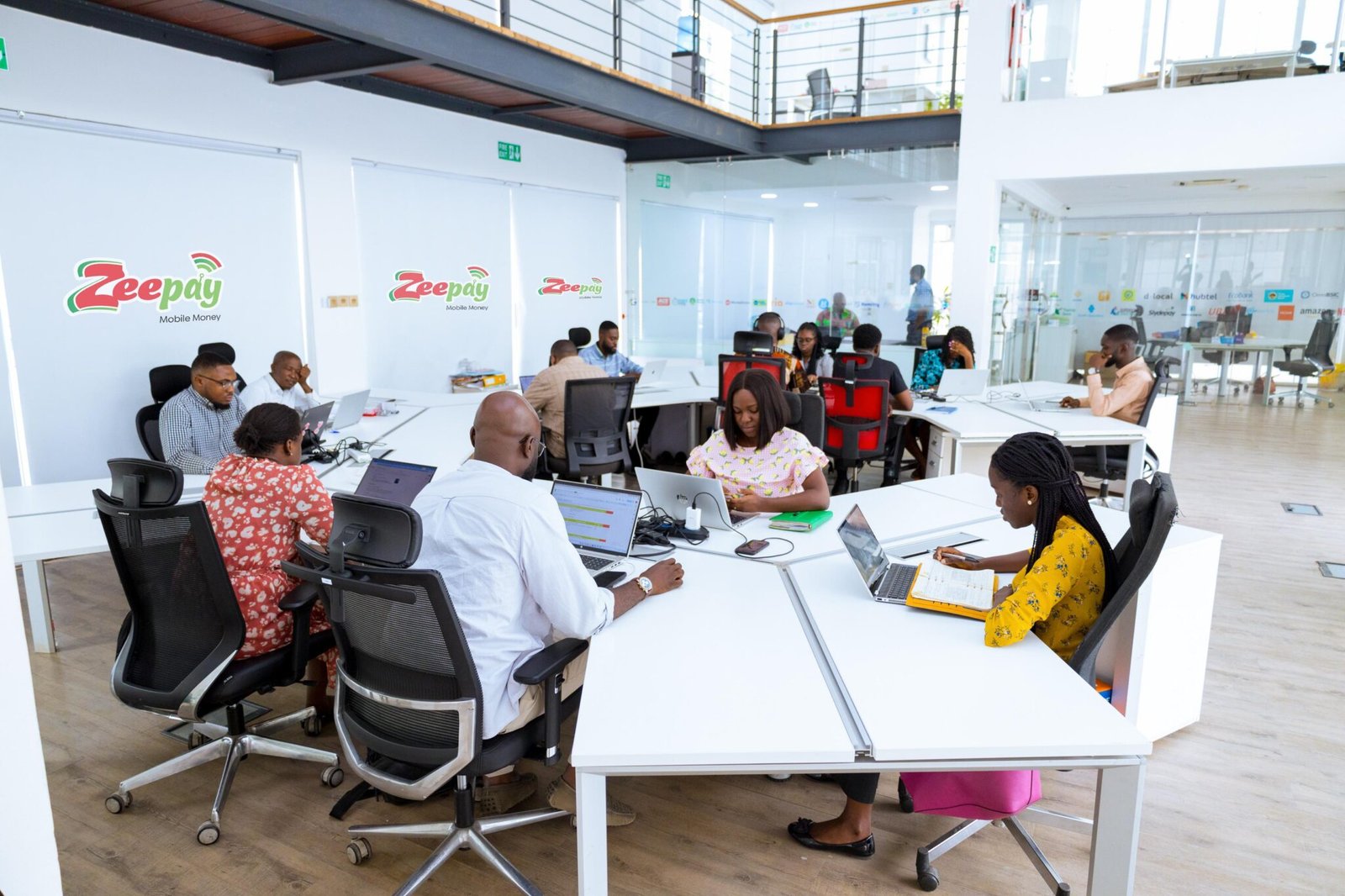

Africa Digital Banking is reshaping the continent’s economy by bringing millions of unbanked people into the financial system through mobile money, fintech innovation, and digital payment solutions.
The Africa Digital Banking revolution is changing lives across the continent by giving millions of people access to financial services for the very first time. For decades, traditional banking remained out of reach for many families because of long travel distances, limited financial infrastructure, high account fees, and strict documentation requirements. Today, however, smartphones, mobile money platforms, and innovative financial technology companies are helping close that gap and opening the door to a more inclusive digital economy.
Across countries such as Kenya, Ghana, Nigeria, Rwanda, Uganda, Tanzania, and South Africa, digital financial services are enabling individuals and small businesses to send money, receive payments, save, borrow, and invest using only a mobile phone. The rapid growth of fintech is transforming how people participate in commerce while creating new opportunities for entrepreneurs, workers, and rural communities.
Experts say this technological shift represents one of the most significant economic developments in Africa over the past decade, with digital finance expected to play an increasingly important role in future economic growth.
Why Millions Remained Unbanked
For many years, accessing a traditional bank account was difficult for millions of Africans.
Several challenges limited financial inclusion, including:
- Few bank branches in rural communities
- High banking fees
- Long travel times
- Limited documentation
- Low financial literacy
- Limited access to formal employment
Without banking services, many people relied entirely on cash transactions.
This created challenges when saving money, paying bills, receiving salaries, obtaining loans, or growing small businesses.
The lack of formal financial access also limited economic opportunities for many entrepreneurs.
Mobile Phones Changed Everything
The biggest driver behind Africa Digital Banking has been the widespread adoption of mobile phones.
Unlike traditional banking, mobile financial services do not require expensive physical branches.
Instead, users can register through authorized agents and manage their finances directly from their phones.
Even basic mobile devices—not just smartphones—can support many digital payment systems.
This accessibility has helped financial services reach communities that banks had never previously served.
Mobile Money Leads the Transformation
One of the most important innovations is mobile money.
Rather than carrying large amounts of cash, customers can store electronic value in mobile wallets, send money to family members, pay merchants, purchase utilities, and receive salaries electronically.
Kenya’s M-Pesa demonstrated how mobile money could dramatically expand financial inclusion, inspiring similar services across many African countries.
Today, mobile money processes billions of transactions annually and supports millions of households throughout the continent.
Its success has become a global model for digital financial inclusion.
Fintech Startups Are Accelerating Growth
The rapid expansion of Africa Digital Banking has also encouraged hundreds of fintech startups.
These companies are developing innovative services that include:
- Digital wallets
- Instant payments
- Microloans
- Business financing
- Online savings accounts
- Investment platforms
- Insurance products
- Cross-border transfers
Many startups focus specifically on serving customers who have historically been excluded from traditional financial institutions.
By using digital identity verification and alternative credit assessments, fintech companies can offer services more quickly and efficiently.
Supporting Small Businesses
Small businesses represent the backbone of many African economies.
Digital banking tools allow entrepreneurs to:
- Accept electronic payments
- Track income
- Manage expenses
- Build transaction histories
- Apply for financing
- Expand customer reach
Formal financial records also improve access to business loans because lenders can better evaluate transaction histories.
This creates opportunities for business growth while supporting local employment.
Helping Women Gain Financial Independence
The Africa Digital Banking movement is also improving financial inclusion for women.
In some communities, women previously faced greater barriers to opening bank accounts because of travel requirements, documentation, or cultural factors.
Mobile financial services reduce many of these obstacles.
Women entrepreneurs can now receive payments, manage savings, access credit, and operate businesses more independently.
International development organizations believe digital finance can contribute significantly to women’s economic empowerment across Africa.
Government Services Become More Efficient
Governments are increasingly adopting digital payment systems.
Electronic transfers improve the delivery of:
- Social assistance
- Pension payments
- Agricultural subsidies
- Tax collection
- Public salaries
Digital systems reduce administrative costs while increasing transparency and minimizing opportunities for fraud.
Citizens also benefit from faster and more convenient access to government services.
Expanding the Digital Economy
The growth of Africa Digital Banking extends well beyond banking itself.
Digital financial services support:
- E-commerce
- Online education
- Telemedicine
- Ride-sharing
- Food delivery
- Digital entertainment
- Remote employment
As more consumers gain access to digital payments, businesses can reach larger markets and expand online services.
This strengthens the broader digital economy.
Challenges Still Need Attention
Despite impressive progress, important challenges remain.
These include:
- Limited internet connectivity
- Smartphone affordability
- Cybersecurity threats
- Digital fraud
- Financial education
- Regulatory differences
- Rural infrastructure
Governments, financial institutions, and technology companies continue working together to improve security, expand access, and build consumer confidence.
Artificial Intelligence Adds New Opportunities
Artificial intelligence is beginning to strengthen Africa Digital Banking even further.
AI can help detect fraud, improve customer support, personalize financial recommendations, automate compliance, and analyze creditworthiness for customers without traditional banking histories.
These innovations may allow even more people to qualify for affordable financial services.
Responsible AI development will remain important to ensure fairness, transparency, and data privacy.
Investment Continues Growing
International investors increasingly view African fintech as one of the world’s fastest-growing technology sectors.
Investment continues flowing into companies developing payment systems, lending platforms, financial software, and digital infrastructure.
Industry analysts expect continued growth as smartphone adoption rises and internet access expands throughout the continent.
The combination of youthful populations, entrepreneurial activity, and technological innovation positions Africa as an increasingly important global fintech market.
A More Inclusive Financial Future
Financial inclusion benefits entire economies.
When more people gain access to secure financial services, businesses can expand, households can save more effectively, governments can improve tax collection, and investors gain greater confidence.
The continued success of Africa Digital Banking could help reduce poverty, encourage entrepreneurship, and strengthen long-term economic development.
Experts believe the next decade may bring even greater innovation as digital payments become increasingly integrated into daily life.
Why This Story Matters
The Africa Digital Banking revolution demonstrates how technology can solve real-world challenges.
Rather than replacing traditional financial systems entirely, digital services are expanding access to people who previously had few financial options.
This transformation is creating opportunities for millions of individuals while strengthening local businesses and supporting economic growth across the continent.
Summary
Africa Digital Banking is transforming financial inclusion by bringing millions of previously unbanked people into the digital economy through mobile money, fintech innovation, and accessible financial technology. Mobile phones, digital wallets, AI-powered financial services, and expanding internet access are helping individuals save, borrow, invest, and build businesses without relying on traditional banking infrastructure. Although challenges such as cybersecurity and connectivity remain, Africa’s digital finance revolution is creating a more inclusive economy and positioning the continent as one of the world’s most dynamic fintech markets.
THANKS FOR READING