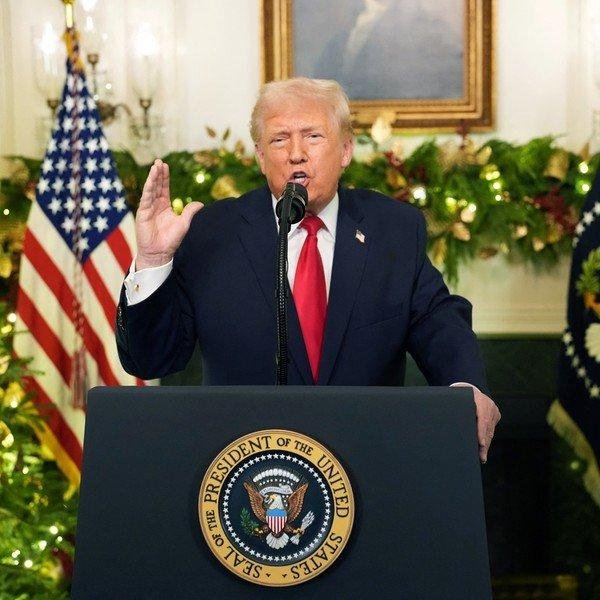
Trump GOP Advantages have come under growing pressure as President Donald Trump faces weakening public approval on two issues that have traditionally been strong territory for Republicans: the economy and national security.
For decades, Republicans have generally enjoyed an advantage over Democrats when voters are asked which party they trust more to manage the economy or protect the country. But recent polling suggests that those traditional strengths are becoming less reliable as Americans express frustration over affordability, tariffs, foreign policy and the ongoing conflict with Iran.
The shift could become especially important as the 2026 midterm elections approach. Republicans are defending their congressional majorities while Democrats are looking for issues that can persuade independent and moderate voters.
The Economy Is No Longer a Comfortable GOP Issue
The economy has historically been one of the Republican Party’s strongest political advantages.
Republican candidates have often argued that their party is better equipped to promote economic growth, control government spending and create a favorable environment for businesses.
But that message is facing a tougher test in 2026.
Recent polling cited in political analysis shows Democrats gaining ground on the economy, with one Fox News poll giving Democrats a 54%-45% advantage over Republicans on which party voters trust more to handle the issue. Another survey found Democrats ahead by a smaller margin.
That represents a significant political change.
For voters, the economy is not simply about stock-market performance or headline growth numbers. It is also about grocery bills, gasoline prices, housing costs, wages and whether families feel financially secure.
Affordability Is Becoming the Central Question
The cost of everyday life could be particularly important for Republicans heading into the midterms.
Even when economic indicators appear positive, voters can remain dissatisfied if they believe prices are still too high.
Trump campaigned heavily on improving the economy and reducing the financial pressure facing American families. But tariffs and international instability have complicated that message.
Businesses facing higher import costs can pass some expenses to consumers, while disruptions in global energy markets can influence gasoline and transportation prices.
That creates a difficult political environment for an administration that wants voters to associate the Republican Party with economic strength.
Tariffs Add Another Layer of Pressure
Trump has made tariffs a major part of his economic strategy, arguing that they can protect American industries, encourage domestic production and strengthen the country’s negotiating position with trading partners.
Supporters see tariffs as a tool for rebuilding American manufacturing.
Critics argue that tariffs can raise costs for businesses and consumers and create uncertainty for companies planning investments.
The political effect depends heavily on what voters experience in their daily lives.
If workers see stronger wages and new manufacturing opportunities, the policy could become a political asset. If households instead focus on higher prices, Democrats could use tariffs as evidence that Trump’s economic strategy is failing to deliver affordable living costs.
National Security Presents Another Challenge
The second major issue affecting Trump GOP Advantages is national security.
Republicans have traditionally benefited from a reputation for being tougher on defense and foreign threats.
But Trump’s handling of international conflicts is creating a more complicated political picture.
The ongoing U.S. conflict with Iran has become a particularly important issue, with voters questioning the costs, objectives and long-term consequences of American military involvement. Recent polling cited by political analysts has shown weak public approval of Trump’s handling of Iran.
That is significant because Republicans have traditionally relied on national security as one of their strongest arguments against Democrats.
The Iran Conflict Changes the Political Debate
Trump has long presented himself as a leader who would avoid unnecessary foreign wars while maintaining American strength.
The current conflict with Iran creates tension between those two promises.
Supporters argue that military action demonstrates American power and protects U.S. interests.
Opponents question whether the conflict could become prolonged, expensive or difficult to control.
For voters who supported Trump because they wanted a less interventionist foreign policy, the situation could create frustration.
That gives Democrats an opportunity to challenge Republicans on an issue where the party has historically held an advantage.
Why the Midterms Matter
The 2026 midterm elections will provide an important test of whether these political shifts are temporary or part of a broader change.
Midterm elections traditionally punish incumbent parties when voters are dissatisfied with the direction of the country.
That makes economic confidence and foreign policy especially important.
Republicans cannot rely solely on Trump’s strong support among the party’s core voters. They also need independent voters, moderate Republicans and less politically engaged Americans to participate.
Those voters may be more sensitive to prices, foreign conflicts and concerns about government performance.
Trump Still Has a Powerful Political Base
Despite the challenges, it would be a mistake to assume that Trump’s political support has disappeared.
His influence within the Republican Party remains substantial.
Many Republican voters continue to support his policies and view him as a leader willing to challenge Washington’s political establishment.
His strongest supporters are also more likely to approve of his handling of the economy and other major issues.
That loyalty gives Republicans an important political foundation heading into the election.
The bigger question is whether that foundation is large enough to overcome dissatisfaction among swing voters.
Democrats See an Opportunity
Democrats have spent years struggling to convince some voters that they can be trusted on national security and economic management.
The current environment could change that equation.
If Democrats can successfully focus their campaigns on affordability, economic stability and the consequences of foreign policy decisions, they may be able to compete in districts that have traditionally leaned Republican.
Recent political analysis suggests Democrats are already attempting to make cost of living a central part of their 2026 message.
Republicans Have Time to Change the Narrative
The political situation is not necessarily permanent.
The economy could improve significantly before Election Day.
Energy prices could fall, inflation could ease and employment could strengthen. Likewise, a diplomatic breakthrough with Iran could change public perceptions of Trump’s foreign policy.
Republicans also have an opportunity to emphasize issues where they remain popular, including immigration, taxes, government spending and crime.
The challenge is turning those advantages into a broader message about effective governance.
Voters Will Ultimately Decide
Polling provides an important snapshot, but elections remain unpredictable.
Public opinion can change quickly when economic conditions improve or international crises end.
Candidates also matter.
A Republican running in a competitive district may have a very different political position from the national party or Trump himself. Local concerns, candidate quality and campaign organization can all influence the outcome.
That means the 2026 midterms will not be determined by one national issue alone.
A Changing Political Landscape
The pressure on Trump GOP Advantages reflects a broader transformation in American politics.
The traditional boundaries between Republican and Democratic strengths have become less predictable.
Republicans have increasingly moved away from some older positions on trade and foreign policy, while Democrats have attempted to strengthen their credibility on national security and economic issues.
As political identities continue changing, voters may become less attached to long-standing assumptions about which party is better suited to handle particular problems.
What Happens Next?
The coming months will be critical.
Republicans will need to demonstrate that their economic policies can improve affordability while convincing voters that Trump’s foreign policy is producing greater security rather than additional risks.
Democrats, meanwhile, will need to show that they can offer credible alternatives rather than simply criticize the administration.
The party that succeeds in defining the election around the issues voters care about most could gain a major advantage in November.
Why This Story Matters
The debate surrounding Trump GOP Advantages is bigger than one president or one election.
If Republicans lose their traditional edge on the economy and national security, the change could reshape campaign strategies for years.
Candidates may have to compete differently, voters may evaluate parties more independently, and issues that once seemed firmly associated with one political side could become much more competitive.
Summary
Trump GOP Advantages on the economy and national security are facing an important political test as voters express growing concerns about affordability, tariffs and the U.S. conflict with Iran. Recent polling suggests Democrats have gained ground on issues where Republicans traditionally held strong advantages. Trump continues to maintain powerful support within the Republican base, but the challenge is winning over independents and moderate voters ahead of the 2026 midterms. Whether these shifts become a lasting political realignment or a temporary reaction to current events will depend heavily on economic conditions, foreign policy developments and the campaigns voters see in the months ahead.
THANKS FOR READING