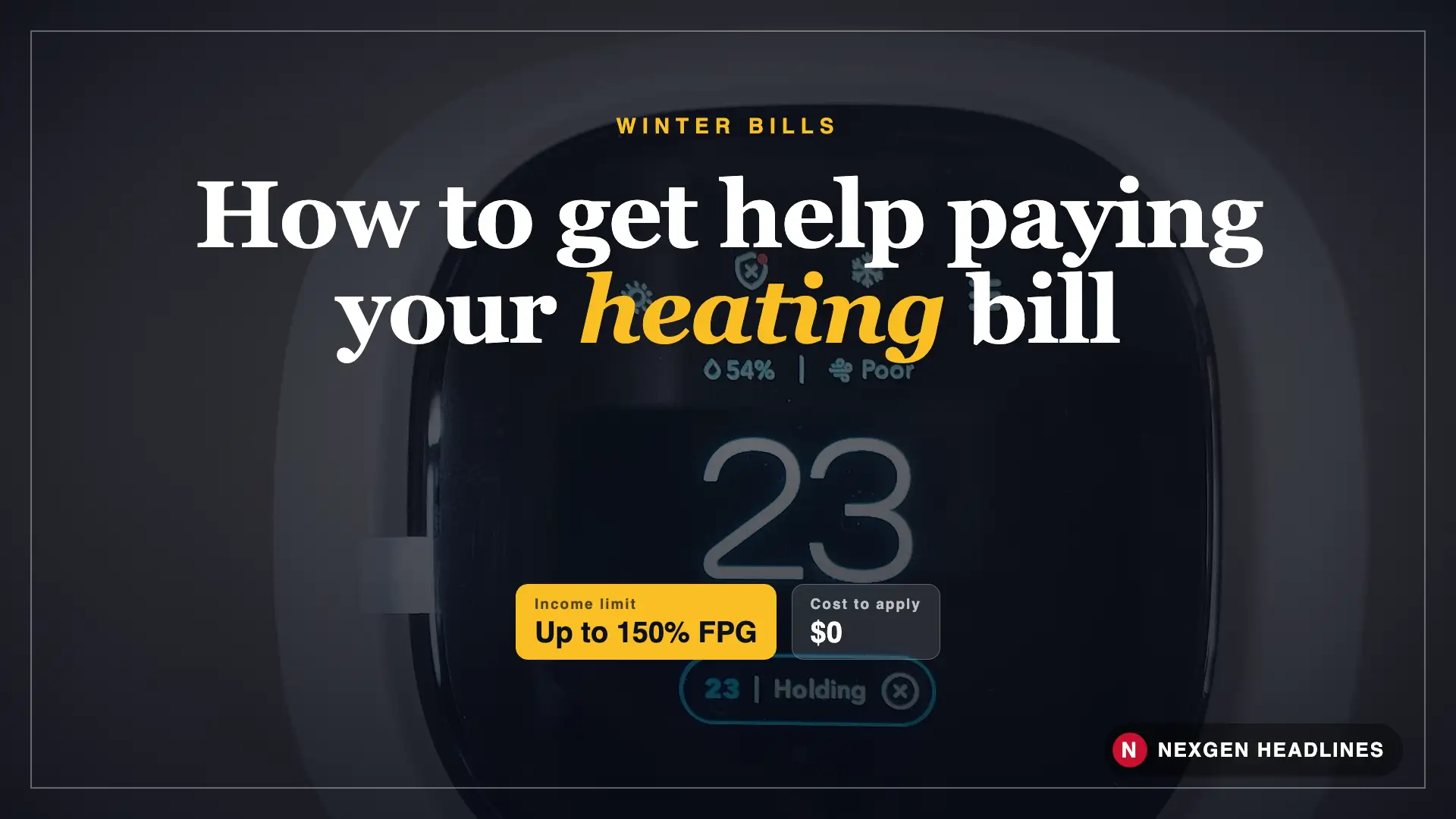

Quick answer: LIHEAP, the federal Low Income Home Energy Assistance Program, helps pay heating and cooling bills. You apply through your state or local agency, not the federal government. Federal rules let states help households with income up to 150% of the federal poverty guidelines or 60% of state median income, whichever is higher. Apply early, since money is limited.
Winter heating bills can be brutal. If you’re struggling to keep the heat on, LIHEAP may pay part of your bill, help in an emergency shutoff, or fix a broken furnace. Here’s who qualifies, how to apply, what to bring, and what else to try if funds run out.
LIHEAP at a glance
| Question | Answer |
|---|---|
| What it is | Federally funded help with home energy bills, run by states, tribes and territories |
| Federal agency | U.S. Department of Health and Human Services (HHS), Administration for Children and Families |
| Where to apply | Your state LIHEAP office or local community action agency |
| Federal income limit | Up to the greater of 150% of poverty guidelines or 60% of state median income; states can set lower limits |
| Types of help | Heating, cooling, crisis/shutoff help, weatherization and some furnace repairs |
| Help finding your office | National Energy Assistance Referral: 866-674-6327 |
| Cost to apply | $0 |
How to apply for LIHEAP: 6 steps
- Find your local office. Use the LIHEAP map on the HHS Administration for Children and Families website, call 866-674-6327, or dial 211.
- Check your state’s dates. Many states open winter heating help in the fall. Crisis help may run all year.
- Gather documents (see the checklist below).
- Apply online, by mail or in person, depending on your state.
- Answer follow-up calls quickly. Missing paperwork is the top cause of delays.
- Watch for the decision. Most help is paid directly to your utility or fuel company.
Apply early. LIHEAP is funded each year, and many states pay on a first-come, first-served basis until the money runs out.
Documents you’ll likely need
- Photo ID for the person applying
- Social Security numbers for household members (rules vary by state)
- Proof of income for everyone in the household for the last 30 days or year, as your state requires
- A recent heating bill and electric bill
- A shutoff notice, if you have one
- Your lease or proof of address
- For renters with heat included in rent, a lease or landlord statement
Make copies. Many offices accept photos or scans uploaded online. If you’re missing a document, apply anyway and ask what you can send later. Some agencies accept a signed statement when you have no income or can’t get a letter from an employer.
Who qualifies?
Federal law sets the outer limits, and each state picks its own rules within them. In general:
- Income: States can serve households up to the greater of 150% of the federal poverty guidelines or 60% of the state’s median income. Some states set lower cutoffs.
- Automatic eligibility: Many states let households that get SNAP, SSI, TANF or certain veterans’ benefits qualify more easily.
- Priority groups: States must give priority to households with the highest energy costs or needs, especially those with older adults, people with disabilities and young children.
- Renters and owners can both apply.
Household size matters a lot. A family of five can earn much more than a single person and still qualify, because the limits rise with each extra person. Count everyone who lives with you and shares the energy bill, including roommates in some states.
Even if you think you earn too much, check. Limits are often higher than people expect, especially for larger households.
Made-up example: a family that qualified
This is a made-up example to show how LIHEAP can help. It is not a real family, and benefit amounts vary by state.
Denise lives with her two kids and her elderly father. Her gas bill doubled in January, and she got a shutoff notice. She called 211 and was referred to her county’s community action agency.
She brought her pay stubs, her father’s Social Security letter and the shutoff notice. The agency approved crisis help, paid part of the overdue bill directly to the gas company and stopped the shutoff. Denise also applied for the regular heating benefit for the rest of the winter.
Types of LIHEAP help
| Type | What it does |
|---|---|
| Heating assistance | A payment toward winter heating bills: gas, electric, oil, propane, wood or kerosene |
| Crisis assistance | Fast help when you’re facing a shutoff, have been disconnected or are out of fuel |
| Cooling assistance | Help with summer electric bills or air conditioners in some states |
| Weatherization | Insulation, sealing leaks and other fixes that cut energy use |
| Furnace repair or replacement | Available in some states for unsafe or broken heating systems |
Is LIHEAP funded this winter?
LIHEAP depends on yearly funding from Congress, and it has been part of recent budget fights. The administration has proposed eliminating the program in its budget requests, while Congress has kept funding it so far, according to the American Public Power Association, which tracks the program.
Federal money reaches states in rounds, and timing can shift when the government runs on short-term funding bills. Each state then decides its own opening dates and benefit amounts.
What this means for you: check your state’s LIHEAP page now and apply as soon as it opens. Early applicants are the most likely to get help before funds run low.
Also read: How to Lower Your Heating Bill This Winter
Facing a shutoff? Do this now
- Call your utility right away. Ask about payment plans, budget billing and hardship programs.
- Ask about winter protections. Many states limit or ban heat shutoffs during cold weather, especially for older adults, people with medical needs and families with young children.
- Get a medical certificate if someone in the home has a serious health condition. Many utilities delay shutoffs with a doctor’s note.
- Apply for LIHEAP crisis help and tell the agency about the shutoff date.
- Call 211 for local charities and emergency funds.
Your state’s public utility commission website lists shutoff rules and complaint options. If your utility won’t work with you, file a complaint with the commission. Many states require utilities to offer a payment plan before disconnecting service, and some require extra notice before a winter shutoff. Write down every call: the date, the name of the person you spoke with and what they promised.
If LIHEAP money runs out: other help
- Utility hardship funds: Many gas and electric companies run their own assistance programs.
- Budget billing: Spreads your yearly energy cost into equal monthly payments.
- Weatherization Assistance Program: A separate U.S. Department of Energy program that weatherizes homes for free for eligible households.
- Charities: The Salvation Army, Catholic Charities and local churches often help with heating bills.
- Veterans: Some VA and veterans’ organizations offer emergency help.
- Fuel banks in some states for heating oil and propane users.
Free ways to cut your heating bill
- Lower the thermostat a few degrees, especially at night and when you’re out.
- Seal drafts around doors and windows with weatherstripping or a rolled towel.
- Open curtains on sunny days and close them at night.
- Replace or clean furnace filters.
- Close vents and doors in rooms you don’t use, if your system allows it.
- Use space heaters safely, never with extension cords, and never leave them on unattended.
Beware of LIHEAP scams
Scammers pose as utility workers or “government energy grant” offices. Warning signs:
- Calls demanding immediate payment by gift card, wire or crypto to stop a shutoff
- Anyone charging a fee to help you apply for LIHEAP
- Texts with links to “claim your energy credit”
LIHEAP applications are free. Call your utility using the number on your bill to check any shutoff threat.
Heating with oil, propane or wood?
LIHEAP isn’t only for gas and electric customers. Many states help households that heat with heating oil, propane, kerosene, wood or pellets. Payments usually go straight to your fuel dealer.
- Running low? Tell the agency right away. Crisis help can cover an emergency delivery in many states.
- Minimum deliveries: Some dealers require a minimum order. Ask the agency how it handles that.
- Price protection: A few states have programs that lock in fuel prices for eligible households.
Help for older adults and people with disabilities
LIHEAP gives priority to households with members who are elderly, disabled or very young, because cold homes are riskier for them. If that’s you or someone you care for:
- Ask about home visits or phone applications. Many agencies offer them for people who can’t travel.
- Contact your local Area Agency on Aging. They often help seniors apply and can connect you to other services.
- Register with your utility as a medical-needs or life-support customer if someone uses powered medical equipment.
- Let a trusted family member or caregiver help with paperwork. Many states allow an authorized representative.
What happens after you’re approved?
- You’ll get a notice with the benefit amount and where it was sent.
- The payment usually goes to your utility or fuel dealer, showing up as a credit on your bill.
- Keep paying what you can. LIHEAP rarely covers the whole season’s bill.
- Ask about other programs. Approval can help you qualify for weatherization or utility discount programs.
- If you’re denied, you can usually appeal. The notice explains how and by when.
Tips to get approved faster
- Apply as soon as your state opens, ideally online.
- Fill out every section, even if it doesn’t seem to apply.
- Include income for everyone in the household.
- Upload clear, readable photos of documents.
- Write down your application number and the date you applied.
- Answer calls from unknown numbers during the review period; it may be the agency.
Common mistakes
- Waiting until a shutoff. Apply as soon as your state opens.
- Leaving out household income or members, which can delay or deny help.
- Not including a bill from the right company.
- Ignoring calls or letters asking for more information.
- Not reapplying. Most states require a new application each season.
Recommended products
Low-cost items that help keep heat in.
Disclosure: As an Amazon Associate, Nexgen Headlines earns from qualifying purchases.
FAQ
How do I apply for LIHEAP?
Through your state or local LIHEAP office. Call 866-674-6327 or 211, or use the HHS LIHEAP map to find it.
How much does LIHEAP pay?
It varies by state, household size, income and fuel type. Most help is a one-time or seasonal payment sent to your utility.
Can renters get LIHEAP?
Yes. Renters can apply, including in many states when heat is included in rent.
Do I have to pay LIHEAP back?
No. LIHEAP is a grant, not a loan.
Can I get LIHEAP more than once?
Often yes. Many states offer a regular heating benefit and separate crisis help in the same season, and you can usually reapply each year. Rules differ, so ask your local agency.
Does LIHEAP affect my SNAP benefits?
It can help. In many states, getting LIHEAP can increase your SNAP benefit through a utility deduction. Ask your SNAP office.
Bottom line
If heating bills are piling up, apply for LIHEAP now through your state or local agency. Bring your ID, income proof and a recent bill, and mention any shutoff notice. If funds run out, ask your utility about hardship programs and budget billing, and call 211 for local help.
Last reviewed: Nov. 7, 2026.
Sources: HHS ACF: LIHEAP, HHS: LIHEAP contact map, American Public Power Association, DOE: Weatherization Assistance Program, FTC: Utility scams.
Featured image: Photo: Xynorath / Wikimedia Commons, CC BY-SA 3.0; edited by Nexgen Headlines.