

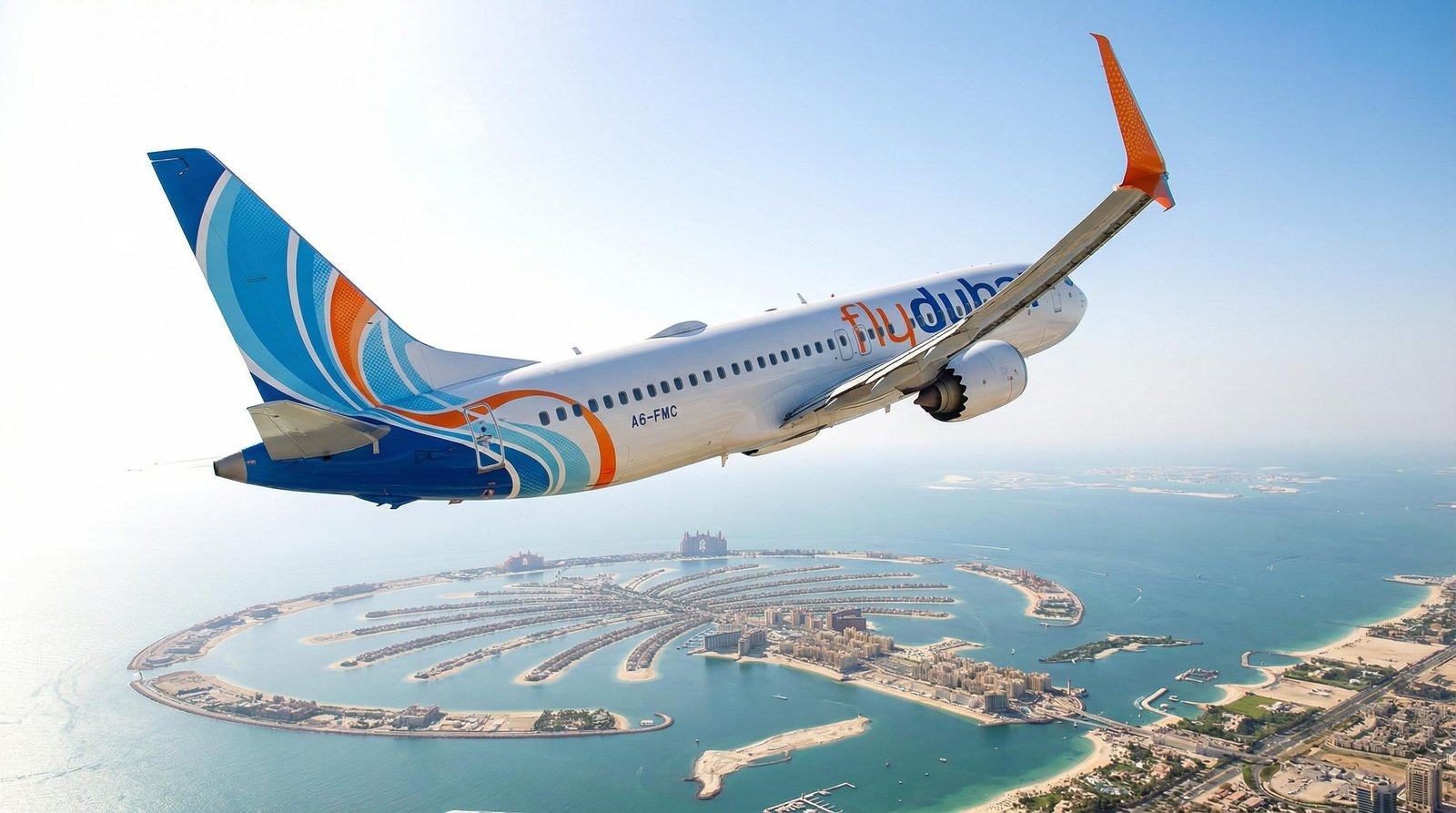
Flydubai Crash Axe details have emerged after UAE authorities said a co-pilot used the emergency tool to attack the captain during a flight from Dubai to Tel Aviv. The incident unfolded aboard Flydubai Flight FZ1073 on September 30, leaving the aircraft in a dangerous descent before crew members and passengers helped regain control.
Key facts at a glance
- Flight: Flydubai FZ1073, Dubai to Tel Aviv, September 30
- What happened: UAE authorities say the co-pilot attacked the captain with the cockpit crash axe and tried to take control of the plane
- Captain: Smit Machchhar, injured but able to unlock the cockpit door so others could help
- Outcome: passengers and a reserve pilot overpowered the co-pilot; the plane landed safely in Tabuk, Saudi Arabia
- Status: the UAE prosecutor general calls it an attempted terrorist act; investigations continue in several countries
The flight eventually made an emergency landing in Tabuk, Saudi Arabia. Investigators are now examining what happened inside the cockpit, the suspected attacker’s background and whether there were security failures.
What Happened on the Flydubai Flight?
Flight FZ1073 was traveling from Dubai toward Tel Aviv when the co-pilot allegedly attacked Captain Smit Machchhar inside the cockpit.
According to UAE authorities, the co-pilot used a crash axe to assault the captain and attempted to take control of the aircraft. The UAE prosecutor general has described the incident as an attempted terrorist act, while the investigation into the attacker’s motives and possible connections remains underway.
The aircraft reportedly experienced a dramatic loss of altitude during the incident. The plane was eventually stabilized and diverted to Saudi Arabia, where it landed safely.
Why Was a Crash Axe in the Cockpit?
The revelation has surprised many people because a crash axe sounds like a weapon rather than an aviation safety device.
In reality, emergency axes are carried on many commercial aircraft as safety equipment. They are intended to help crew members deal with emergency situations, including situations where access through parts of an aircraft may need to be created.
The tool is normally stored in the cockpit and is not intended for use against people. Its presence reflects the aviation industry’s need to equip crews for rare but potentially serious emergencies.
The Security Problem Inside a Cockpit
The incident has raised an important aviation-security question: how can airlines protect pilots from an insider threat while still allowing crews to access emergency equipment?
Cockpit doors were heavily reinforced after the September 11, 2001, terrorist attacks. Modern aircraft are designed to prevent unauthorized people in the cabin from entering the flight deck.
That security system can become complicated during an emergency involving someone who is already authorized to be inside the cockpit.
In the Flydubai incident, the injured captain was reportedly able to unlock the cockpit door, allowing other crew members and passengers to intervene.
Captain’s Quick Response Helped Save the Flight
Captain Smit Machchhar has received widespread praise for his actions during the emergency.
Despite being injured, he managed to open the cockpit door so that others could assist him and help stabilize the aircraft. A small group of passengers and a reserve pilot then helped overpower the co-pilot.
The aircraft was eventually diverted and landed safely at Prince Sultan bin Abdulaziz International Airport in Tabuk.
The captain is recovering in the United Arab Emirates, according to the Indian Embassy in the UAE.
Read more: Flydubai pilot Smit Machchhar describes how he fought to save his passengers
Who Was the Suspected Attacker?
UAE authorities and international reports have identified the co-pilot as Hammam al-Hammami, an Omani national.
Investigators are examining his background and previous aviation career. Reports say he had previously been barred from flying in Oman after concerns about suspected extremist views.
Those reports have raised questions about how he was later able to work as a commercial pilot and operate an international flight.
However, many details remain under investigation, and authorities have not yet publicly released a complete account of how previous concerns were handled.
Why the Crash Axe Is Getting So Much Attention
The Flydubai Crash Axe has become a major focus because it demonstrates the difficult balance between safety equipment and security.
An emergency tool can be essential when an aircraft is dealing with a fire, structural problem or other serious situation. At the same time, an object designed to cut through material can potentially become dangerous if misused.
That does not mean airlines are expected to remove emergency equipment from aircraft. Instead, the incident could lead aviation authorities and airlines to review how such equipment is stored and how cockpit crews respond to insider threats.
International Investigation Continues
The investigation involves multiple countries because the flight originated in the UAE, was heading to Israel and landed in Saudi Arabia.
Authorities are examining physical and digital evidence, the suspected attacker’s background and the events leading up to the cockpit assault.
Australian authorities have also reportedly begun examining the co-pilot’s previous links to Australia.
The investigation could ultimately raise broader questions about pilot screening, information sharing between countries and aviation security procedures.
What This Means for Airline Safety
The incident is unlikely to change everyday passenger procedures immediately, but it could encourage airlines and regulators to examine insider threats more closely.
Commercial aviation has traditionally focused heavily on preventing unauthorized people from entering the cockpit. The Flydubai incident presents a different challenge: the person accused of creating the danger was already a member of the flight crew.
That makes background checks, information sharing and ongoing security assessments particularly important.
Important News Takeaway
The Flydubai Crash Axe incident has revealed a rare but serious aviation-security challenge.
UAE authorities say the co-pilot attacked the captain with a cockpit crash axe and attempted to take control of the aircraft. The captain, crew members and passengers were able to intervene, and the plane made a safe emergency landing in Saudi Arabia.
The investigation is continuing, and authorities are still working to establish the attacker’s motive and determine whether security failures played a role.
For passengers, the incident also highlights the importance of trained crews, emergency procedures and rapid teamwork when an unexpected crisis occurs in the air.
Quick answers
Why do planes carry a crash axe?
It is standard emergency equipment on many commercial aircraft, kept in the cockpit so the crew can deal with fires or cut through panels in an emergency. It is not meant to be used against people.
Where did Flydubai flight FZ1073 land?
The plane was diverted and landed safely at Prince Sultan bin Abdulaziz International Airport in Tabuk, Saudi Arabia.
Was anyone seriously hurt?
Captain Smit Machchhar was injured in the attack and is recovering in the UAE, according to the Indian Embassy. The plane landed safely.
This is a developing story. We will update it as investigators release more details.