
- A Last-Minute Trade Reprieve
- Why Trump Threatened the 50% Tariff
- The Tariffs Could Have Reached Beyond the Main Disputes
- USMCA Protection Was Not Guaranteed
- Canadian Businesses Face Significant Pressure
- American Businesses Could Also Feel the Impact
- The Three-Day Window Is Critical
- Trump Says a Deal Is Close
- Mark Carney Takes a Cautious Approach
- Keystone XL Could Become Part of the Bigger Deal
- Why the U.S.-Canada Relationship Matters
- Businesses Need Stability
- Could the Tariffs Still Return?
- A Broader Trade Strategy
- What Happens Next?
- Why This Story Matters
- Summary
The Canada Tariff Delay has given businesses and consumers on both sides of the border a brief reprieve after President Donald Trump postponed threatened 50% tariffs on a wide range of Canadian products.
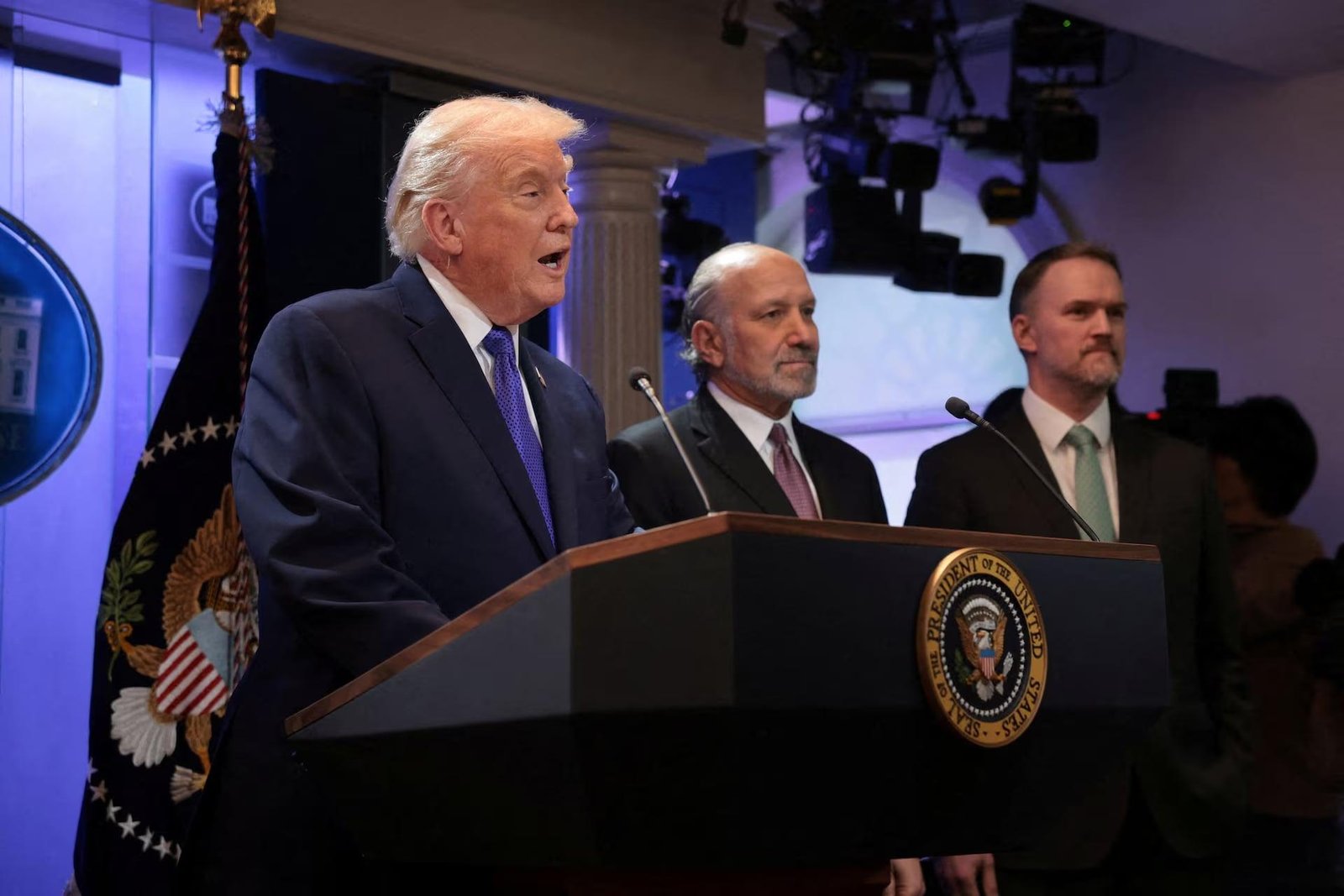
The tariffs were scheduled to begin at 12:01 a.m. Wednesday, August 19, but Trump announced late Tuesday that he was pausing the measures for three days. He said the decision followed negotiations between the United States and Canada and that the two countries had reached a deal in principle, subject to completing the necessary documents.
Canadian Prime Minister Mark Carney confirmed that the talks had made significant progress but indicated that important issues still needed to be resolved. The new deadline gives negotiators until August 21 to try to complete an agreement.
A Last-Minute Trade Reprieve
The Canada Tariff Delay came just hours before the new duties were scheduled to take effect.
The proposed tariffs would have covered roughly $20 billion worth of Canadian imports, representing about 5% of Canada’s exports to the United States.
Products potentially affected included furniture, alcohol, dairy products, clothing, plastics, industrial equipment, building materials and other manufactured goods.
For businesses that had spent weeks preparing for higher costs, the announcement provided immediate breathing room.
However, the pause does not mean the trade dispute is over.
It simply gives Washington and Ottawa additional time to negotiate.
Why Trump Threatened the 50% Tariff
Trump’s administration has argued that Canada has unfairly restricted access for American products.
The White House has particularly focused on Canadian policies involving automobiles, alcoholic beverages and dairy products.
Trump has used tariffs as a negotiating tool, arguing that higher import duties can encourage trading partners to open their markets to American businesses.
The proposed 50% measures were issued under Section 338 of the Tariff Act of 1930, an unusual legal authority that allows the president to impose duties of up to 50% in response to alleged discriminatory treatment of U.S. commerce.
The Tariffs Could Have Reached Beyond the Main Disputes
One of the most notable aspects of the proposed tariffs was their broad potential reach.
Although Trump cited Canadian restrictions involving cars, alcohol and dairy, the affected product lists extended to numerous other categories.
Manufactured products, plastics, furniture, clothing, machinery, wood products and other goods could have faced the additional duties.
That raised concerns among Canadian exporters that had little direct connection to the disagreements driving the dispute.
USMCA Protection Was Not Guaranteed
Another important issue was the treatment of goods covered by the United States-Mexico-Canada Agreement.
The proposed tariffs could have applied even to some goods that otherwise qualify for preferential treatment under the North American trade agreement.
That created additional uncertainty for companies that had built their supply chains around the assumption that USMCA rules would provide stable access to the U.S. market.
For manufacturers operating across the U.S.-Canada border, that uncertainty can be nearly as disruptive as the tariff itself.
Canadian Businesses Face Significant Pressure
Canada is deeply dependent on trade with the United States.
Thousands of companies sell their products across the border, from large manufacturers to small family-owned businesses.
The proposed tariffs were particularly concerning for industries such as lumber, wine, manufacturing and other sectors where profit margins can already be relatively narrow.
A 50% additional tariff could make some Canadian products substantially less competitive in American stores.
Smaller businesses would likely have fewer options for absorbing the additional cost.
American Businesses Could Also Feel the Impact
Although tariffs are imposed on imports, their economic effects do not necessarily stop at the border.
American importers may have to pay the additional duty when covered Canadian goods enter the country.
Companies could respond by raising prices, changing suppliers or accepting lower margins.
Some U.S. manufacturers also depend on Canadian raw materials and intermediate products.
That means higher import costs can potentially move through supply chains and eventually affect American businesses and consumers.
The Three-Day Window Is Critical
The new deadline creates a very short period for negotiations.
The United States and Canada now have until August 21 to finalize the proposed agreement or risk another confrontation over tariffs.
That makes every negotiating session important.
The two governments are expected to focus on unresolved issues while working toward a framework that addresses American concerns without creating severe economic damage for Canadian exporters.
Trump Says a Deal Is Close
Trump has described the negotiations in optimistic terms.
According to reports, the potential agreement could include improved U.S. access to Canadian markets, economic-security cooperation and alignment on digital trade issues. Discussions have also touched on energy projects, including the possibility of revisiting the long-canceled Keystone XL pipeline.
But a preliminary understanding is not the same as a completed trade agreement.
Until the documents are finalized, businesses cannot be certain that the threatened tariffs have disappeared permanently.
Mark Carney Takes a Cautious Approach
Canadian Prime Minister Mark Carney has welcomed the progress while emphasizing that negotiations are not finished.
That cautious approach reflects the political and economic pressure facing Canada.
Ottawa wants to protect Canadian companies while also maintaining access to the enormous U.S. consumer market.
At the same time, Canadian officials have sought to avoid accepting terms that could create long-term disadvantages for Canadian industries.
Keystone XL Could Become Part of the Bigger Deal
Energy has emerged as another potentially important part of the U.S.-Canada relationship.
Trump has suggested that the Keystone XL pipeline could potentially be revived.
The proposed pipeline was intended to transport Canadian crude oil to refineries in the United States but was canceled by President Joe Biden in 2021.
Any serious effort to revive the project would face environmental, regulatory and political challenges.
Still, its appearance in the current trade discussions demonstrates how broad the negotiations could become.
Why the U.S.-Canada Relationship Matters
The United States and Canada share one of the world’s largest trading relationships.
Factories, farms, energy companies, retailers and transportation networks on both sides depend heavily on cross-border commerce.
Automobile manufacturing provides a clear example.
Vehicles and components can cross the border multiple times during production before a finished product reaches consumers.
Sudden tariff changes can therefore affect companies that operate in both countries.
Businesses Need Stability
For companies, predictability is often more valuable than a temporary reduction in costs.
Manufacturers need to know what tariffs will apply before they sign contracts, order materials or set prices.
Importers need to plan shipments months in advance.
Retailers need to determine how much they will charge consumers.
A sudden change from no additional tariff to 50% can disrupt those decisions.
The Canada Tariff Delay therefore provides businesses with something extremely valuable: additional time.
Could the Tariffs Still Return?
Yes.
The current pause is temporary.
If the negotiations fail to produce a final agreement, the Trump administration could still move forward with the proposed tariffs or seek additional concessions from Canada.
That possibility means the uncertainty has not disappeared.
Companies will continue watching government announcements closely during the new negotiating period.
A Broader Trade Strategy
The Canada Tariff Delay dispute is also part of Trump’s broader approach to international trade.
His administration has repeatedly used tariffs to pressure trading partners into changing trade policies or negotiating new agreements.
Supporters argue that tariffs give the United States leverage and can encourage foreign governments to open markets to American companies.
Critics argue that tariffs can increase uncertainty and ultimately raise costs for businesses and consumers.
The outcome of the Canada negotiations could therefore become an important example of whether Trump’s tariff strategy produces lasting trade concessions.
What Happens Next?
The immediate focus will be on negotiations between Washington and Ottawa.
Officials will need to settle the remaining disagreements and determine exactly what commitments each government is prepared to make.
If they succeed, the Canada Tariff Delay could become the first step toward a broader trade agreement.
If they fail, the threatened 50% duties could once again become the center of attention.
For businesses, the next few days could be extremely important.
Why This Story Matters
The Canada Tariff Delay is more than a short-term political development.
It affects billions of dollars in trade and highlights the economic importance of the U.S.-Canada relationship.
A successful agreement could reduce uncertainty, protect businesses and prevent another round of escalating trade measures.
A breakdown in negotiations could have the opposite effect, putting exporters, manufacturers and consumers under renewed pressure.
Summary
The Canada Tariff Delay gives the United States and Canada three additional days to negotiate after President Donald Trump postponed threatened 50% tariffs on roughly $20 billion of Canadian goods. The proposed duties could have affected products ranging from furniture and alcohol to plastics, machinery and other manufactured goods. Trump said the pause followed progress toward a deal, while Prime Minister Mark Carney indicated that important issues remain unresolved. With a new deadline of August 21, the two governments now have a narrow opportunity to finalize an agreement and prevent another major escalation in North American trade tensions.
THANKS FOR READING