

Quick answer: Cornell President Michael Kotlikoff addressed allegations involving a former student and a 2024 fraternity incident in a video message, promising an independent review, more transparency and steps to improve campus safety.
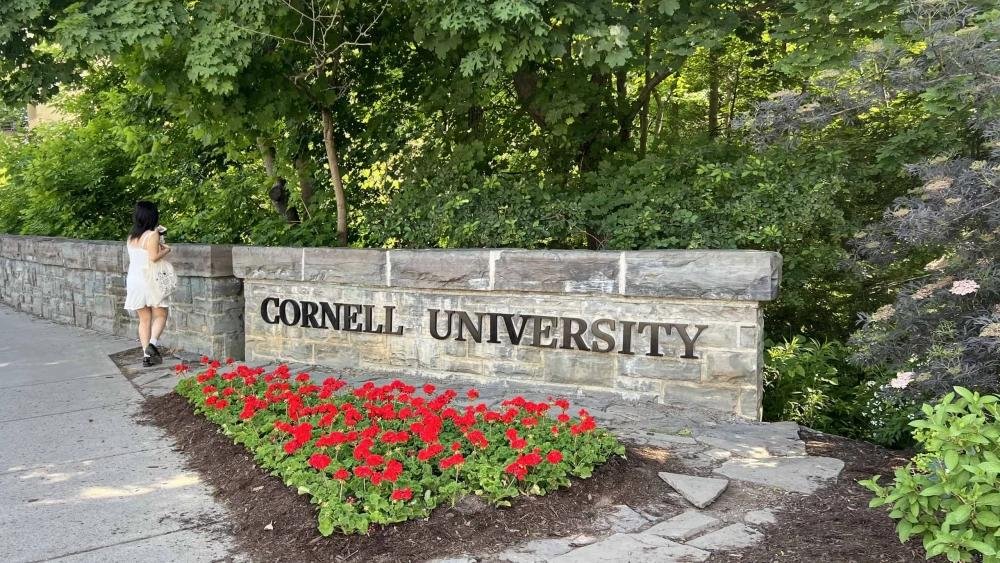
Cornell Rape Allegations have triggered intense scrutiny at Cornell University after President Michael Kotlikoff publicly addressed the case and promised greater transparency, an independent review and further action to improve campus safety.
In an eight-minute video message released Saturday, Kotlikoff described the allegations involving a former student and a 2024 fraternity incident as “deeply disturbing.” He said the university does not have all the answers about how the case was handled and acknowledged that Cornell must do better.
What Happened in 2024?
The case centers on a former Cornell student identified in court documents as Jane Doe.
According to a civil lawsuit filed in September 2026, the woman alleges that she was drugged and sexually assaulted by several members of the Chi Phi fraternity at a fraternity house in October 2024.
The allegations have not resulted in criminal charges against the accused men, who have denied wrongdoing, according to reporting on the case. The lawsuit names Cornell, seven former students and others as defendants.
Because the allegations are being disputed and remain under investigation, they should not be treated as established criminal facts.
Cornell Faces Questions Over Its Response
The controversy has focused not only on the allegations themselves but also on how Cornell and local authorities responded afterward.
Cornell conducted its own disciplinary investigation and took action against students, including suspensions and expulsions. The university also suspended the Chi Phi fraternity and later barred the chapter from campus.
However, questions have emerged about whether all relevant information was properly considered during the original criminal investigation.
The renewed scrutiny intensified after the civil lawsuit brought additional details into public view.
President Michael Kotlikoff Speaks Out
Kotlikoff’s statement marked his most significant public response to the controversy.
The Cornell president said the situation raised serious questions about sexual assault, alcohol and drug use, party culture and the responsibilities of institutions.
He also said the university must listen, learn and take action rather than simply wait for investigations to finish.
“We must do better,” Kotlikoff said, emphasizing that Cornell’s response should focus on preventing similar situations in the future.
Independent Review Planned
One of the most important steps announced by Cornell is an independent examination of how the university handled the case.
Cornell’s Board of Trustees is expected to bring in an outside law firm to review the university’s actions and response.
The goal is to provide answers about what happened inside the institution, what decisions were made and whether changes are needed.
Kotlikoff has also pledged greater transparency while recognizing that privacy and legal restrictions can limit what the university can publicly disclose.
New York Investigation Reopened
The controversy has also reached the state level.
New York Gov. Kathy Hochul has supported a renewed criminal investigation and appointed New York Attorney General Letitia James as a special prosecutor in the case.
The move followed criticism of how the original investigation was handled by local authorities.
The renewed investigation could provide additional answers about evidence, decision-making and whether criminal charges should be considered.
Cornell’s Greek Life Under Review
The case has also started a broader conversation about fraternities and sororities at Cornell.
Kotlikoff said Cornell will take a “serious look” at the role of Greek organizations on campus.
He acknowledged that fraternities and sororities can provide friendship, mentorship and community, but said group membership should never reduce an individual’s responsibility for protecting others.
The university plans to seek input from students, alumni and other members of the Cornell community as it considers potential changes.
A Broader Debate About Campus Safety
The Cornell Rape Allegations have renewed a national discussion about how colleges respond to reports of sexual assault.
Students and advocates are questioning whether universities have adequate systems for reporting allegations, protecting students and cooperating with law enforcement.
The case has also prompted renewed attention to New York’s sexual assault laws, particularly questions involving intoxication and a person’s ability to consent. Gov. Hochul has called for legislative changes.
What Happens Next?
Several investigations and reviews are now moving forward.
The criminal investigation will determine whether additional evidence supports potential charges. Separately, Cornell’s outside review is expected to examine the university’s handling of the allegations.
For Cornell, the controversy is likely to remain a major issue throughout the academic year.
Kotlikoff has promised that the university will continue communicating with students and the broader community as more information becomes available.
Update: What Has Happened Since Oct. 4 (as of Nov. 7, 2026)
This story was first published on Oct. 4, 2026. A lot has happened since then. Here is a short, dated record of the main steps, based on reporting by CBS News, PBS NewsHour, Al Jazeera and The Cornell Daily Sun.
Important: As of Nov. 7, 2026, no criminal charges have been filed in this case. The accused men deny wrongdoing. Everything in the lawsuit is an allegation, not a finding.
| Date | What happened |
|---|---|
| Oct. 2024 | Jane Doe says she was drugged and assaulted at the Chi Phi house, according to her lawsuit. |
| Nov. 2024 | The Tompkins County district attorney declined to bring charges after reviewing a Cornell police summary, PBS and CBS reported. |
| Sept. 14, 2026 | The former student filed her civil lawsuit, according to The Cornell Daily Sun. |
| Sept. 28, 2026 | The DA’s office confirmed it was reopening the criminal investigation, CBS reported. |
| Oct. 1, 2026 | Gov. Kathy Hochul signed an executive order naming Attorney General Letitia James special prosecutor, per CBS. |
| Oct. 3, 2026 | President Michael Kotlikoff released his eight-minute video message (a Saturday). |
| Oct. 6, 2026 | Trustees named former Deputy U.S. Attorney General Sally Yates to lead an independent review, Al Jazeera reported. |
| Oct. 14, 2026 | PBS reported a ban on fraternity parties through the end of the academic year and a planned role for state police in assault reports. |
| Oct. 28, 2026 | The Faculty Senate opened an eight-day online vote on a no-confidence resolution. |
| Nov. 6, 2026 | The Faculty Senate passed the no-confidence resolution 75 to 50, The Cornell Daily Sun reported. |
Who Is Involved and Who Decides
Several groups are now looking at the same events. Each one has a different job. This table shows who does what.
| Who | Role | What they can decide |
|---|---|---|
| NY Attorney General Letitia James | Special prosecutor, named by Gov. Hochul | Whether anyone faces criminal charges |
| Sally Yates and the law firm King & Spalding | Independent reviewers hired by Cornell’s trustees | Findings and advice on how Cornell handled reports |
| Cornell Board of Trustees | Governs the university | Who serves as president; which changes to adopt |
| Faculty Senate | Elected faculty body | Can express no confidence, but cannot remove the president |
| Jane Doe (plaintiff) | Former student who filed the civil suit | Whether to keep pursuing money damages in court |
| The courts | Hear the civil lawsuit and any criminal case | Final rulings on the claims |
According to Al Jazeera, the Yates review covers sexual misconduct investigations, discipline, campus police response and fraternity oversight.
Three Separate Tracks: Criminal, Civil and Campus
People often mix these up. They run on different rules and timelines.
- Criminal case: Run by prosecutors. A conviction needs proof “beyond a reasonable doubt.” It can lead to prison.
- Civil lawsuit: Filed by the woman against Cornell, the fraternity, seven men and others. It seeks money damages. The standard of proof is lower than in criminal court.
- Campus discipline: Cornell’s own process. On Sept. 29, Kotlikoff told student government that two accused men were expelled and two suspended, The Cornell Daily Sun reported. One graduated before punishment, and two were found not responsible.
A result on one track does not decide the others. A person can be disciplined by a school and never be charged. Someone can also be cleared in one forum and face a claim in another.
Also read: The Cornell 7 Case: Justice, Due Process and What Happens Next
What the No-Confidence Vote Does and Does Not Do
The Faculty Senate resolution passed with 55.6% of 135 senators in favor, The Cornell Daily Sun reported. About 37% voted no.
The vote is a strong public message. But it is not binding. Only the Board of Trustees can choose or remove a president.
Board chair Anne Meinig Smalling said the board “remains confident” in Kotlikoff, according to the Sun. So for now, he stays in the job.
What to Watch Next
- Any decision by the attorney general’s office on criminal charges. No date has been announced.
- The Yates review. Watch for its findings and whether Cornell releases them.
- Court filings in the civil lawsuit, which will play out over months.
- Changes to Greek life rules and how the fraternity party ban is enforced.
- Debate in Albany over New York’s sexual assault laws, which Gov. Hochul wants to change.
If You or Someone You Know Needs Help
Stories like this can be hard to read. If you need support, the National Sexual Assault Hotline run by RAINN is free, confidential and open 24/7.
- Call 800-656-HOPE (4673).
- Chat online at RAINN.org.
- Text HOPE to 64673.
College students can also contact their school’s Title IX office or counseling center. You can talk to an advocate before you decide whether to report.
How to Follow This Story Responsibly
- Rely on named outlets and official statements, not anonymous posts.
- Do not share names of people who have not been charged.
- Remember that “alleged” matters. A lawsuit is one side’s account.
- Check the date on any article. Facts in this case have changed week to week.
FAQ
Has anyone been charged in the Cornell Chi Phi case?
No. As of Nov. 7, 2026, no criminal charges have been filed. Attorney General Letitia James is leading the criminal investigation as special prosecutor.
Who is Sally Yates?
She is a former Deputy U.S. Attorney General and now a partner at King & Spalding. Cornell’s trustees named her on Oct. 6, 2026, to lead an independent review.
Can the Faculty Senate fire President Kotlikoff?
No. The Nov. 6 vote is non-binding. Only the Board of Trustees can remove a Cornell president, and the board says it still supports him.
Is the Chi Phi chapter still at Cornell?
No. CBS reported that the chapter was closed in 2024 and remains barred from campus.
Update sources (Nov. 7, 2026): The Cornell Daily Sun (Nov. 6), The Cornell Daily Sun (Oct. 4), PBS NewsHour, CBS News, Al Jazeera, RAINN.
Important News Takeaway
The Cornell Rape Allegations have placed the university under significant scrutiny over both the 2024 allegations and the institutional response that followed.
President Michael Kotlikoff has called the allegations deeply disturbing and promised greater transparency, an independent review and a broader examination of Greek life.
At the same time, the criminal investigation is being revisited by New York state authorities. The allegations remain allegations, and the accused individuals have not been convicted of a crime.
The coming investigations are expected to provide more information about what happened and how Cornell and law enforcement handled the case.
THANKS FOR READING
Sources: NBC News, CNN, The Ithaca Voice.
Last reviewed: Nov. 7, 2026. First published Oct. 4, 2026; update and background sections added Nov. 7, 2026.