
Quick answer: Abu Dhabi is pressing ahead with big investments in luxury travel, entertainment, culture and hotels to keep tourists coming despite regional tension linked to the Iran conflict.
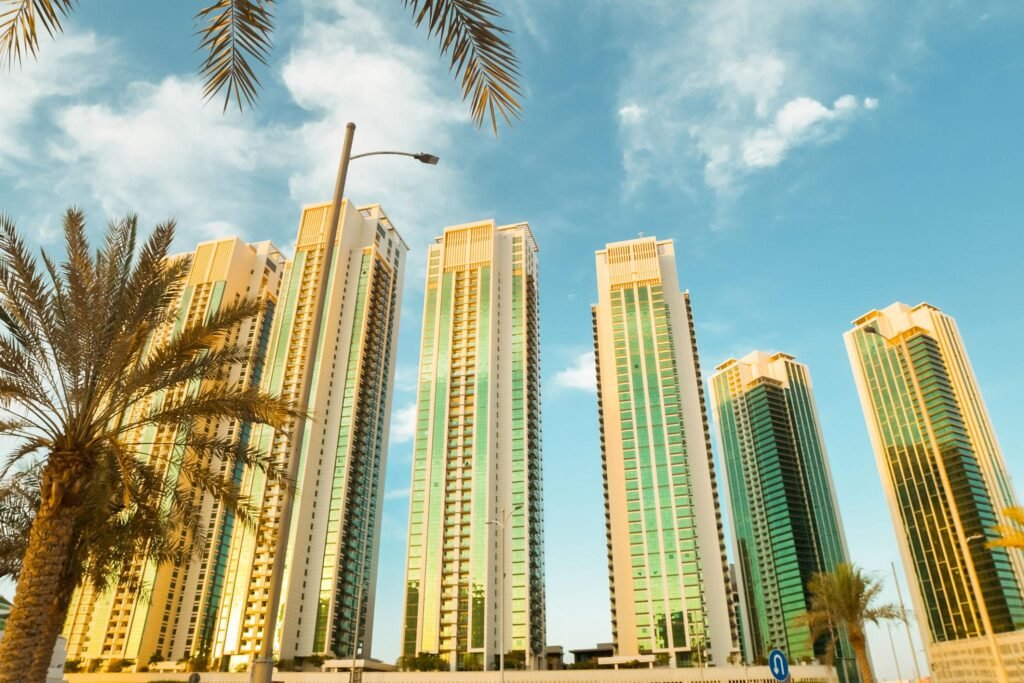
Even as tensions linked to the Iran conflict continue to create uncertainty across the Middle East, Abu Dhabi is moving forward with ambitious plans to expand its tourism industry. Officials in the UAE capital are investing heavily in luxury travel, entertainment, culture, and hospitality in an effort to keep international visitors coming despite regional instability.
The move reflects Abu Dhabi’s long-term strategy to reduce dependence on oil and transform itself into one of the world’s top travel destinations.
Tourism Remains a Major Priority
Tourism has become one of the most important sectors for the UAE economy. From luxury hotels and world-famous museums to shopping centers and desert experiences, Abu Dhabi has spent billions of dollars building a global tourism brand.
Despite growing concerns over the ongoing Iran war and disruptions across the Gulf region, leaders in Abu Dhabi appear determined not to slow down.
According to recent reports, the UAE is continuing investments in travel infrastructure, cultural attractions, and aviation projects even as regional tensions affect parts of the Middle East tourism market.
Luxury and Culture Drive Growth
One of Abu Dhabi’s biggest strengths is its focus on luxury and cultural tourism. Landmarks such as Louvre Abu Dhabi and the Saadiyat Cultural District continue attracting visitors from around the world.
The city is also promoting new museums, beach resorts, high-end shopping destinations, and global entertainment events. Tourism officials believe these experiences help Abu Dhabi stand out from other destinations in the region.
The government’s tourism strategy also includes attracting wealthy international travelers, digital entrepreneurs, and business investors looking for stability and premium experiences.
War Concerns Still Affect Travel
While Abu Dhabi remains open for tourism, the regional conflict has created challenges. Earlier this year, parts of Gulf airspace faced disruptions after tensions between Iran, the United States, and Israel escalated. Some airlines temporarily suspended or rerouted flights during the peak of the crisis.
Travel experts warn that prolonged instability could impact hotel bookings, airline traffic, and investor confidence across the Middle East. Some tourism analysts estimate the region could face billions of dollars in losses if tensions continue for an extended period.
Still, Abu Dhabi officials remain confident that strong infrastructure, security measures, and global branding will help maintain tourism momentum.
Massive Investments Continue
Abu Dhabi is also pushing forward with major infrastructure and development projects. The UAE continues expanding transport systems, cultural districts, and hospitality investments as part of its broader economic diversification plan.
Business confidence in the city also remains relatively strong. Several international firms have continued opening offices in Abu Dhabi despite the regional conflict, showing faith in the emirate’s long-term economic outlook.
Officials believe tourism, finance, technology, and entertainment will play a major role in shaping the UAE’s future economy.
Looking Ahead
Although geopolitical tensions remain a concern, Abu Dhabi is sending a clear message to the world: it plans to keep growing.
By doubling down on tourism, culture, and luxury experiences, the city hopes to protect its economy from regional instability while strengthening its position as a leading global destination.
For now, travelers, investors, and businesses are watching closely to see whether Abu Dhabi can successfully balance rapid tourism growth with the uncertainties created by conflict in the region.
Thinking about a trip to Abu Dhabi? What U.S. travelers should check first
Regional tension can change fast. If you are an American planning a trip to Abu Dhabi, a few checks before you book can save you money and stress. None of this is a prediction about the conflict. It is simply a checklist.
| Step | What to do | Where |
|---|---|---|
| 1. Read the travel advisory | Check the current State Department advisory level for the UAE and nearby countries on your route. | travel.state.gov |
| 2. Check entry rules | Confirm passport validity and visa rules for U.S. citizens before you buy tickets. | travel.state.gov country page |
| 3. Enroll in STEP | The free Smart Traveler Enrollment Program sends you embassy alerts by email. | step.state.gov |
| 4. Know your refund rights | Learn what airlines owe you if a flight is canceled or changed (see table below). | transportation.gov |
| 5. Read your insurance fine print | Many travel policies exclude war or “known events.” Ask before you buy. | Your insurer |
Your refund rights if a flight is canceled or changed
Flights in the Gulf were rerouted or paused during the worst of the tension. Under U.S. Department of Transportation (DOT) rules, you are owed a refund if the airline cancels your flight, for any reason, and you choose not to travel or take a voucher.
| Situation | Refund owed? |
|---|---|
| Airline cancels your flight, and you don’t travel | Yes, a full refund |
| International flight leaves 6+ hours earlier or arrives 6+ hours later than planned | Yes, if you choose not to travel |
| You are moved to a different airport or given more connections | Yes, if you choose not to travel |
| You accept the new flight and travel | No refund under DOT rules |
| You cancel a nonrefundable ticket and the flight runs as planned | No |
DOT says the refund is due within 7 business days if you paid by credit card and within 20 calendar days for other payment types. For tickets bought at least seven days before departure, airlines must also either let you cancel for a full refund within 24 hours or let you hold the fare for 24 hours.
These DOT refund rules cover flights to, from or within the U.S. If you book a flight that starts and ends outside the U.S., check the airline’s own policy.
A made-up example
This is a made-up example to show how the rule works. Maria in Chicago books a $1,200 round trip to Abu Dhabi on her credit card. Two days before she leaves, the airline cancels the outbound flight. It offers a voucher. Maria says no and asks for her money back. Under DOT rules, the airline owes her a refund, and it should land on her card within 7 business days.
Also read: Why Modern Witches Are Flocking to an Ancient Turkish Temple
Abu Dhabi at a glance for American visitors
| Item | Detail |
|---|---|
| Time zone | UTC+4, no daylight saving time. That is 8 hours ahead of New York in summer and 9 hours ahead in winter. |
| Currency | UAE dirham (AED), pegged to the U.S. dollar at about 3.67 dirhams per $1. |
| Top cultural stop | Louvre Abu Dhabi on Saadiyat Island, designed by Jean Nouvel. It opened to the public in November 2017. |
| Why it exists | France and Abu Dhabi signed the Louvre deal on March 6, 2007. Abu Dhabi agreed to pay €400 million for use of the Louvre name alone. |
Why Abu Dhabi keeps betting on tourism
The UAE has spent two decades trying to depend less on oil. Culture is a big part of that plan. The Louvre deal in 2007 was an early sign: a long-term agreement to bring a world-famous museum brand to the Gulf.
Tourism brings jobs, hotel spending and airline traffic. It also builds the city’s global image, which helps attract business. That is why officials keep investing even when the region is tense. Whether that pays off depends on how long the instability lasts. That part is still unknown.
Mistakes to avoid when booking during regional tension
- Taking a voucher by reflex. If the airline cancels, you can ask for cash back instead.
- Booking the cheapest nonrefundable hotel. A flexible rate costs a bit more but lets you cancel if plans change.
- Assuming insurance covers conflict. Many plans exclude war and events that were already in the news when you bought the policy.
- Skipping STEP. Embassy alerts are free and can reach you faster than the news.
- Using a debit card. A credit card gives you more dispute rights if a company won’t refund you.
FAQ
Is it safe to travel to Abu Dhabi right now?
Check the latest State Department advisory for the UAE on travel.state.gov before you go. Conditions in the region can change quickly, and the advisory is the official U.S. guidance.
Can I get a refund if my flight to the UAE is canceled?
Yes, for flights to or from the U.S., if the airline cancels and you choose not to travel or take a voucher. That holds no matter why the flight was canceled.
How long does an airline refund take?
DOT says 7 business days for credit card payments and 20 calendar days for other payment types.
Sources: U.S. DOT – Refunds; U.S. State Department – Travel Advisories; Smart Traveler Enrollment Program; Louvre Abu Dhabi (background).
THANKS FOR READING
Last reviewed: Nov. 6, 2026. Facts are as reported when this story was published on May 22, 2026.