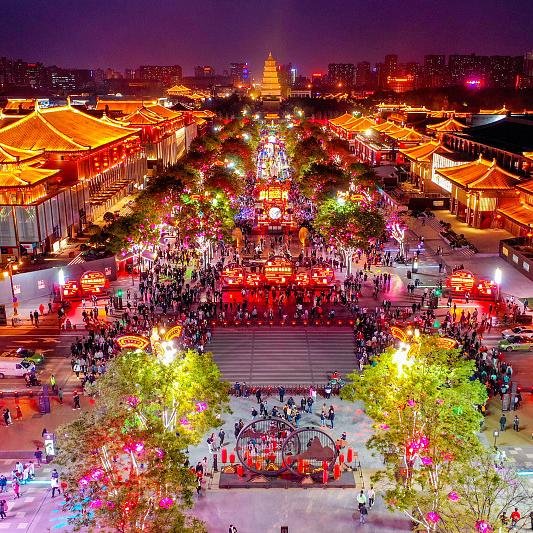
The China Heritage Tourism industry is experiencing an extraordinary transformation as reconstructed ancient cities, restored temples, traditional villages, and modern cultural attractions draw millions of visitors every year. While many travelers around the world seek authentic historical landmarks, a growing number of tourists in China are embracing carefully rebuilt or recreated heritage sites that offer immersive cultural experiences, even when the structures are not entirely original.
- A New Era of Cultural Tourism
- Why Reconstructed Sites Are So Popular
- Blending History With Modern Technology
- Economic Benefits for Local Communities
- Balancing Preservation and Reconstruction
- Domestic Tourism Continues to Grow
- International Visitors Show Growing Interest
- Traditional Culture Meets Modern Entertainment
- Supporting Cultural Identity
- Challenges Facing Heritage Tourism
- The Future of Heritage Experiences
- Why This Story Matters
- Summary
Rather than viewing reconstruction as a drawback, many visitors see it as an opportunity to experience China’s rich history in a vibrant and accessible way. From beautifully restored imperial streets to recreated ancient marketplaces and traditional performances, these destinations combine history, architecture, entertainment, and technology to introduce Chinese culture to both domestic and international travelers.
Tourism experts say the trend reflects changing expectations among modern travelers, who increasingly value engaging experiences alongside historical authenticity.
A New Era of Cultural Tourism
China has one of the world’s longest and richest recorded histories.
However, wars, earthquakes, fires, political upheaval, and rapid urban development have damaged or destroyed many historic structures over the centuries.
Instead of leaving these places forgotten, local governments and cultural organizations have invested heavily in rebuilding historic districts, preserving traditional architectural styles, and creating educational attractions inspired by the past.
The result is a growing network of reconstructed heritage destinations that attract millions of visitors every year.
Why Reconstructed Sites Are So Popular
One reason China Heritage Tourism continues expanding is that visitors often prioritize the overall cultural experience rather than strict historical originality.
Many reconstructed attractions feature:
- Traditional architecture
- Cultural performances
- Historic costumes
- Museums
- Local cuisine
- Festivals
- Interactive exhibits
- Traditional crafts
For families, students, and international tourists, these experiences provide an engaging introduction to Chinese history that is both educational and entertaining.
Blending History With Modern Technology
Technology has become an important part of China Heritage Tourism.
Many reconstructed attractions now use:
- Augmented reality
- Virtual reality
- Digital projection shows
- Interactive museums
- Multimedia storytelling
- Mobile visitor guides
These innovations allow visitors to visualize how ancient cities once appeared while learning about important historical events through immersive presentations.
Rather than replacing history, technology helps bring it to life for modern audiences.
Economic Benefits for Local Communities
Tourism has become an important economic driver across many regions of China.
Historic-style attractions support:
- Hotels
- Restaurants
- Transportation
- Local artisans
- Cultural performers
- Tour guides
- Small businesses
By attracting large numbers of visitors, reconstructed heritage sites create employment opportunities while encouraging investment in surrounding communities.
Many towns that once struggled economically now benefit from growing tourism industries centered on cultural heritage.
Balancing Preservation and Reconstruction
The growth of China Heritage Tourism has also sparked debate among historians, architects, and preservation experts.
Some scholars argue that original historic buildings possess irreplaceable cultural value and should remain the highest priority for preservation.
Others believe carefully reconstructed sites can serve an important educational purpose, particularly when original structures no longer exist.
Many cultural specialists emphasize that transparency is essential.
Visitors should clearly understand which buildings are original, which have been restored, and which have been reconstructed.
Providing accurate historical information helps maintain public trust while preserving educational value.
Domestic Tourism Continues to Grow
Domestic tourism remains one of the strongest forces behind China’s expanding heritage industry.
Millions of Chinese travelers explore historic destinations during national holidays, school vacations, and cultural festivals.
Many families see these trips as opportunities to help younger generations better understand China’s long history and cultural traditions.
The growing middle class, improved transportation, and expanding high-speed rail network have made historic destinations easier to reach than ever before.
International Visitors Show Growing Interest
International tourism is also contributing to China Heritage Tourism.
Many overseas visitors are fascinated by Chinese architecture, imperial history, traditional festivals, and cultural performances.
Even when sites have been reconstructed, travelers often appreciate the opportunity to experience traditional design, local customs, and historical storytelling in one location.
Tour operators increasingly include reconstructed cultural districts alongside original UNESCO World Heritage Sites in travel itineraries.
Traditional Culture Meets Modern Entertainment
One reason reconstructed heritage attractions succeed is their ability to combine education with entertainment.
Visitors may enjoy:
- Lantern festivals
- Traditional music
- Martial arts demonstrations
- Ancient costume photography
- Folk performances
- Tea ceremonies
- Cultural workshops
These activities create memorable experiences while encouraging greater appreciation of Chinese traditions.
Many attractions become especially popular after sunset when elaborate lighting displays transform historic-style streets into vibrant entertainment districts.
Supporting Cultural Identity
The continued success of China Heritage Tourism also reflects a broader interest in preserving cultural identity.
Reconstructed heritage districts allow communities to celebrate traditional architecture, customs, and craftsmanship that might otherwise become less visible amid rapid urban development.
Educational programs, museums, and cultural festivals further strengthen connections between younger generations and China’s historical legacy.
Challenges Facing Heritage Tourism
Despite its success, the industry faces important challenges.
Experts continue discussing issues such as:
- Historical accuracy
- Commercialization
- Environmental sustainability
- Visitor overcrowding
- Long-term preservation
- Cultural authenticity
Balancing tourism growth with responsible heritage management will remain an important priority for policymakers and conservation specialists.
The Future of Heritage Experiences
Industry analysts expect China Heritage Tourism to continue evolving through digital innovation, sustainable development, and expanded cultural programming.
Future attractions may incorporate artificial intelligence, multilingual digital guides, immersive historical simulations, and interactive educational experiences while maintaining respect for traditional culture.
As technology advances, heritage tourism is likely to become even more engaging for both domestic and international audiences.
Why This Story Matters
The success of China Heritage Tourism illustrates how cultural preservation can take different forms.
While original historic buildings remain invaluable, reconstructed heritage sites can also inspire curiosity, support education, strengthen local economies, and encourage appreciation for history.
For many visitors, the emotional connection to a place comes not only from the age of its buildings but from the stories, traditions, and experiences it offers.
Summary
China Heritage Tourism is reshaping the country’s travel industry by attracting millions of visitors to reconstructed ancient towns, restored cultural districts, and immersive historical attractions. Although many of these sites are not entirely original, they provide meaningful opportunities to experience Chinese history through architecture, performances, museums, technology, and traditional customs. As tourism continues growing, balancing historical authenticity with cultural accessibility will remain essential, ensuring future generations can continue learning about and celebrating China’s remarkable heritage.
THANKS FOR READING