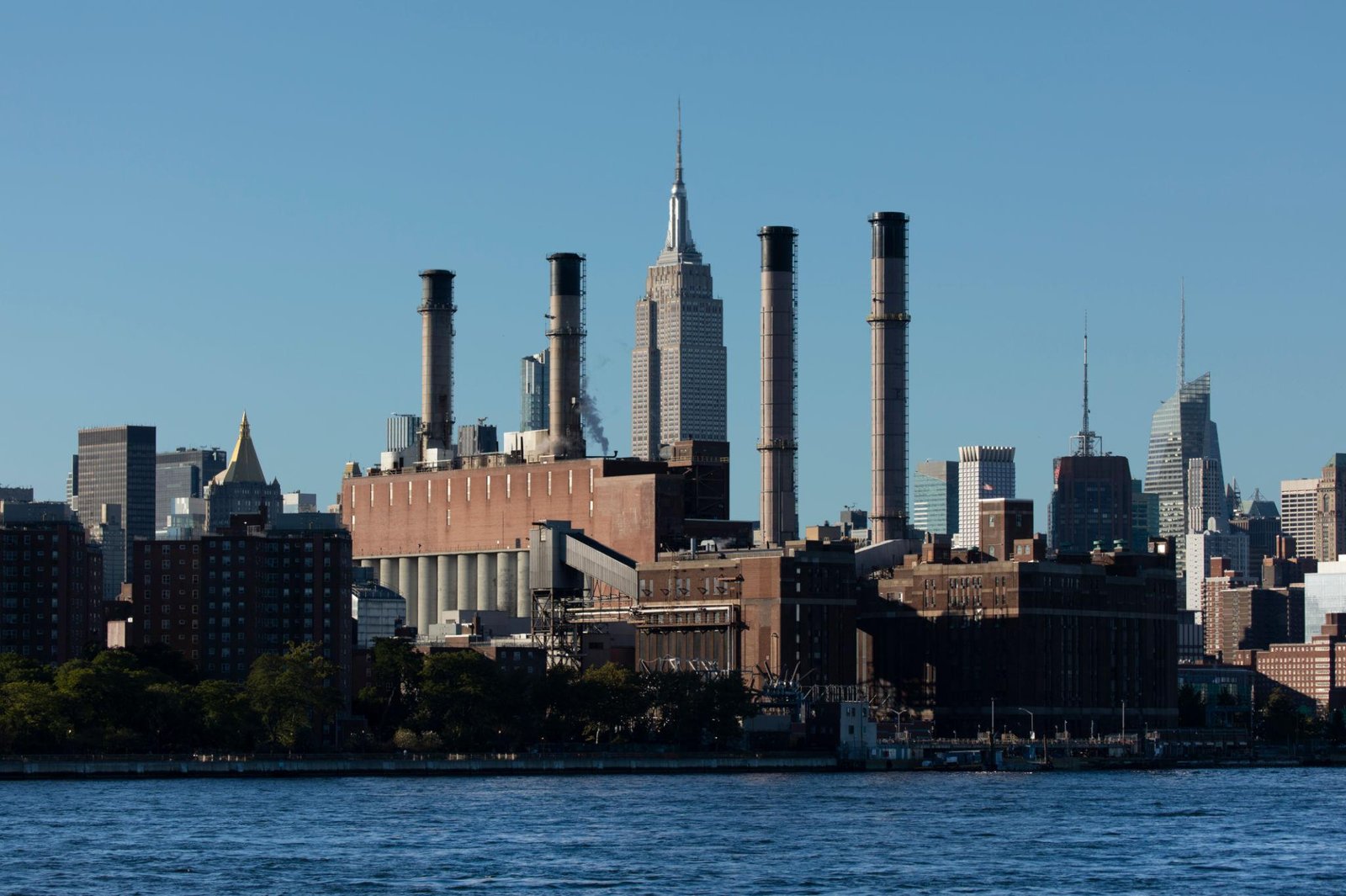

The NYC Legionnaires’ Disease outbreak that claimed seven lives and sickened dozens of people has officially been declared over by New York City health officials, marking the end of weeks of intensive investigations, environmental testing, and public health interventions. The announcement brings relief to residents, businesses, and healthcare providers who closely monitored one of the city’s most closely watched public health events this summer.
- Outbreak Officially Declared Over
- What Happened During the Outbreak
- How Investigators Traced the Source
- Understanding Legionnaires’ Disease
- Symptoms People Should Know
- Who Faces the Greatest Risk?
- How the City Responded
- Why Cooling Towers Matter
- Lessons From the Outbreak
- Community Recovery
- Preventing Future Outbreaks
- Why This Story Matters
- Looking Ahead
- Summary
Although the outbreak resulted in tragic loss of life, officials say the coordinated response helped identify contaminated cooling towers, reduce the spread of bacteria, and prevent additional illnesses. Public health experts are encouraging building owners to continue regular maintenance and reminding residents that Legionnaires’ disease is treatable when diagnosed early.
Outbreak Officially Declared Over
According to the New York City Department of Health, the outbreak has ended after two incubation periods passed without evidence of continued community transmission.
Officials said the decision followed ongoing monitoring, laboratory testing, and inspections that confirmed no new cases linked to the outbreak area had emerged.
While declaring the outbreak over represents an important milestone, health authorities emphasized that surveillance for Legionnaires’ disease continues throughout the city as part of routine public health monitoring.
What Happened During the Outbreak
The NYC Legionnaires’ Disease outbreak affected residents living or working in a section of the Bronx.
Health officials reported dozens of confirmed cases, with seven deaths linked to the outbreak. Most patients were older adults or individuals with underlying medical conditions that increased their risk of severe illness.
As reports of pneumonia-like symptoms increased, epidemiologists quickly launched an investigation to identify a common environmental source.
How Investigators Traced the Source
Public health investigators collected water samples from multiple cooling towers, buildings, and other water systems throughout the affected neighborhood.
Testing detected Legionella bacteria in several cooling towers. Building owners were ordered to disinfect, clean, and retest those systems immediately to eliminate the bacteria and reduce the risk of additional exposure.
Officials noted that multiple towers required corrective action as part of the response effort.
Understanding Legionnaires’ Disease
Legionnaires’ disease is a serious type of pneumonia caused by Legionella bacteria.
People become infected by breathing tiny water droplets that contain the bacteria. These droplets may come from cooling towers, decorative fountains, hot tubs, or complex plumbing systems if they are not properly maintained.
Importantly, Legionnaires’ disease does not spread from person to person in typical circumstances.
Symptoms People Should Know
Symptoms usually appear between two and ten days after exposure and may include:
- High fever
- Persistent cough
- Chills
- Shortness of breath
- Muscle aches
- Headache
- Fatigue
- Confusion in severe cases
Because these symptoms resemble other forms of pneumonia, early medical evaluation is important, especially for individuals with known risk factors.
Who Faces the Greatest Risk?
While anyone can develop Legionnaires’ disease, some groups face a higher risk of severe illness.
These include:
- Adults over age 50
- Smokers and former smokers
- People with chronic lung disease
- Individuals with weakened immune systems
- People with diabetes or kidney disease
Healthy individuals exposed to Legionella bacteria do not always become ill.
How the City Responded
The response to the NYC Legionnaires’ Disease outbreak involved multiple city agencies working together.
Health inspectors rapidly tested suspected cooling towers, laboratories analyzed environmental samples, hospitals reported confirmed cases, and public health officials kept residents informed through regular updates.
Building owners whose cooling towers tested positive were required to complete emergency cleaning and disinfection before returning systems to normal operation.
Officials say this rapid intervention played a key role in ending the outbreak.
Why Cooling Towers Matter
Cooling towers help regulate temperatures in large commercial buildings by circulating water.
If water treatment and maintenance are inadequate, Legionella bacteria can multiply inside these systems.
Fans can then release microscopic water droplets into the surrounding air, where nearby individuals may inhale them.
Because of previous outbreaks, New York City has some of the nation’s strictest cooling tower inspection and maintenance regulations.
Lessons From the Outbreak
Public health experts say the outbreak reinforces several important lessons.
Routine maintenance of cooling towers remains essential for preventing bacterial growth.
Rapid reporting by healthcare providers allows investigators to recognize unusual disease clusters quickly.
Public communication also plays a vital role by encouraging people experiencing symptoms to seek medical care without delay.
Community Recovery
Residents and business owners in the affected neighborhood expressed relief following the city’s announcement that the outbreak had ended.
Although many families continue mourning loved ones who died during the outbreak, community organizations praised healthcare workers, emergency responders, laboratory staff, and inspectors for their efforts throughout the public health emergency.
Officials say continued education will remain important to reduce future risks.
Preventing Future Outbreaks
Health authorities recommend:
- Routine inspection of cooling towers
- Regular cleaning and water treatment
- Prompt reporting of suspected Legionnaires’ disease cases
- Ongoing monitoring of building water systems
- Continued compliance with local health regulations
These measures significantly reduce the likelihood of future outbreaks.
Why This Story Matters
The NYC Legionnaires’ Disease outbreak demonstrates how quickly public health agencies can respond when infectious diseases emerge.
Although the outbreak resulted in seven tragic deaths, the coordinated response helped identify environmental sources, implement corrective actions, and prevent additional illnesses.
The event also highlights the importance of infrastructure maintenance, disease surveillance, and public awareness in protecting community health.
Looking Ahead
With the outbreak officially declared over, New York City health officials will continue monitoring Legionnaires’ disease through routine surveillance programs.
Building owners remain responsible for maintaining safe water systems, while healthcare providers are encouraged to remain alert for potential future cases.
Officials stress that vigilance, preventive maintenance, and early diagnosis remain the strongest defenses against future outbreaks.
Summary
The NYC Legionnaires’ Disease outbreak that claimed seven lives has officially been declared over after weeks of investigation, environmental testing, and aggressive public health action. Authorities traced the outbreak to contaminated cooling towers, ordered extensive cleaning and disinfection, and closely monitored new cases before announcing the emergency had ended. While the outbreak has concluded, officials continue urging proper cooling tower maintenance and prompt medical attention for anyone experiencing symptoms consistent with Legionnaires’ disease to help prevent future incidents.
THANKS FOR READING