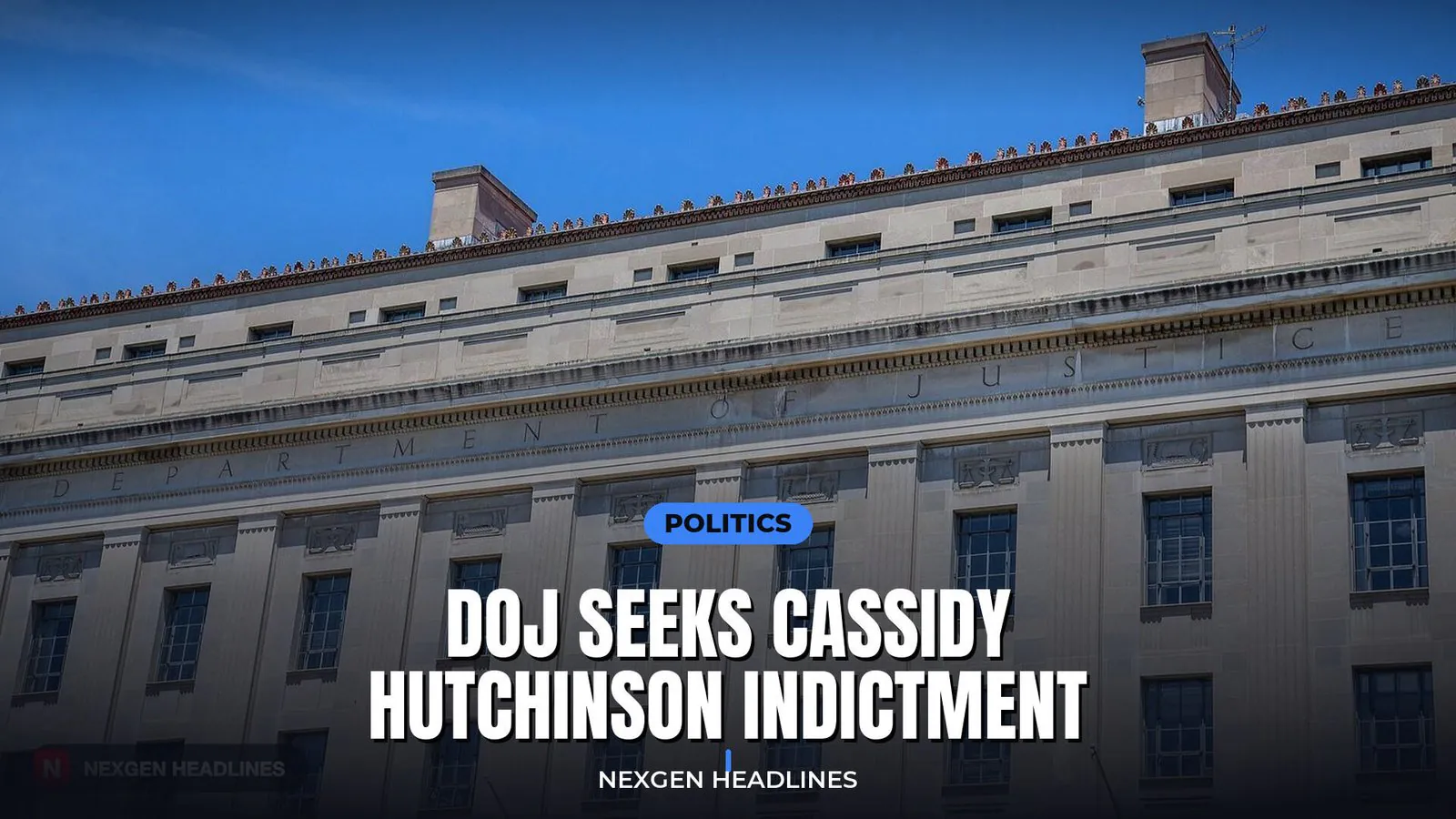

Quick answer: The Justice Department is seeking an indictment of former White House aide Cassidy Hutchinson over her congressional testimony, multiple outlets reported on October 8, 2026. No charges had been filed when this story was published.
The Justice Department is seeking a criminal indictment of Cassidy Hutchinson, the former Trump White House aide who became a star witness for the House Jan. 6 committee, according to multiple reports on Thursday, Oct. 8. No charges have been filed, and Hutchinson has not been accused of a crime in court. Here is what is known and what is not.
What we know
- The report: Punchbowl News first reported the DOJ wants an indictment over Hutchinson’s congressional testimony; NBC News and CBS News reported similar accounts from people familiar with it.
- Grand jury: prosecutors have been presenting evidence to a federal grand jury in Washington, D.C.
- Status: no charges filed; Fox News reports no final decision has been made.
- Unclear: which part of her testimony is under scrutiny. Punchbowl reported she has not received a subpoena.
📱 In a hurry? Swipe through our quick Web Story on this.
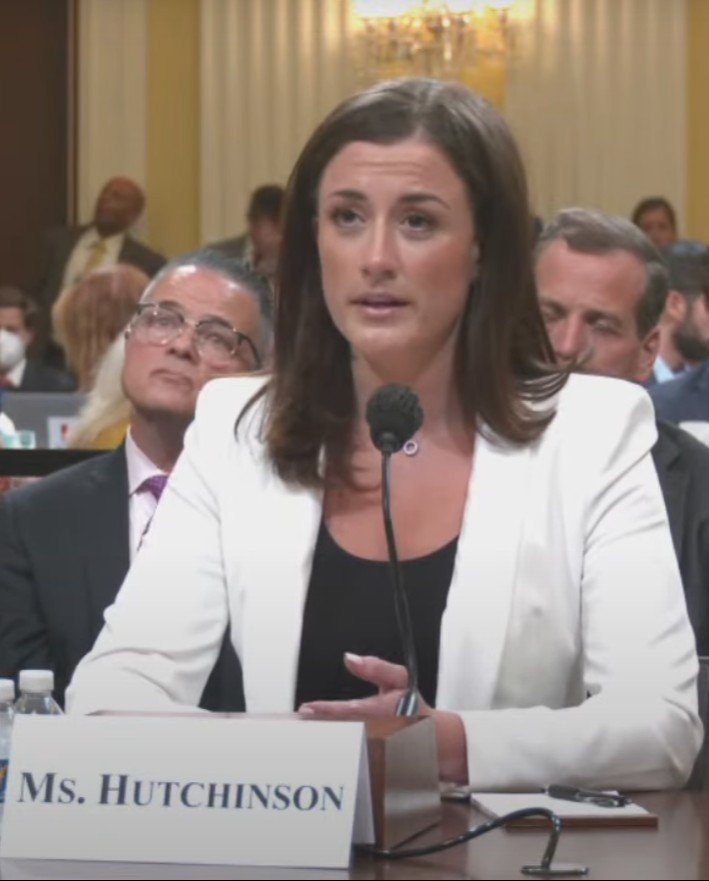
Who is Cassidy Hutchinson?
Hutchinson was an aide to Trump’s last White House chief of staff, Mark Meadows. In June 2022 she gave public testimony to the House committee investigating the Jan. 6, 2021, attack on the Capitol. Her account included a secondhand story that Trump had grabbed for the steering wheel of his vehicle that day, a claim disputed by others, including Trump’s driver, according to CBS News.
What could happen next
A grand jury decides whether there is enough evidence for an indictment. Fox News reported that more evidence could be presented as soon as next week. If no indictment is returned, there would be no charges. Hutchinson’s side had not publicly responded to the reports when this was written.
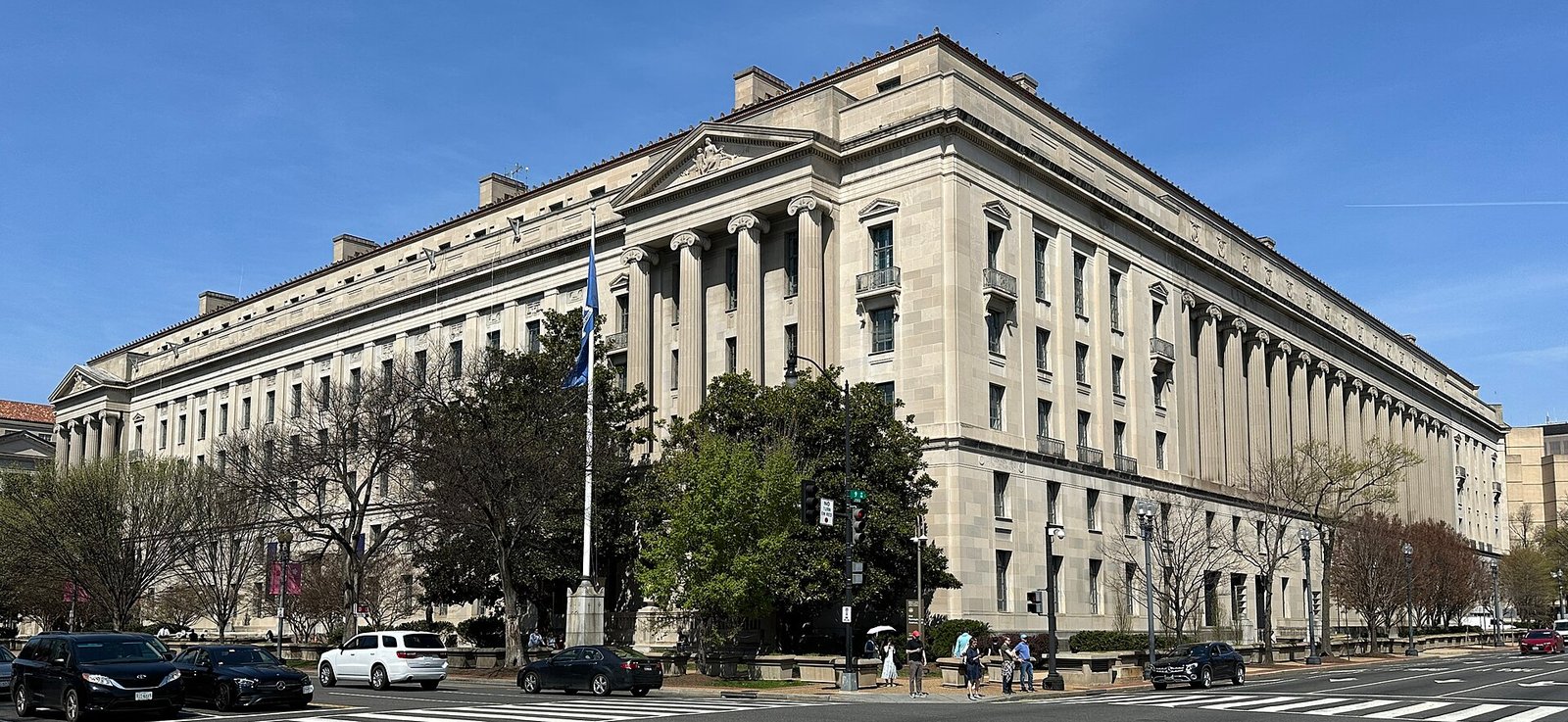
Why it matters
The case would add Hutchinson to a list of figures connected to the Jan. 6 investigation who are under federal scrutiny during President Trump’s second term. Critics say such cases target witnesses who testified against Trump; supporters say false testimony to Congress must be prosecuted. We will update this story as official information becomes available.
Timeline: how we got here
| Date | What happened |
|---|---|
| 2022 | Hutchinson gives closed-door depositions and public testimony to the House Jan. 6 committee. A federal judge later cited more than 30 hours of sworn testimony to Congress. |
| June 28, 2022 | Her televised public hearing, including the secondhand account about the presidential vehicle |
| Later | Trump’s driver says in sworn testimony that the president never tried to grab the steering wheel, CBS News reported |
| Earlier in 2026 | Reports say a Trump ally in Congress accused her of false testimony; CBS says House Republicans made a referral to the Justice Department |
| Sept. 24, 2026 | U.S. District Judge Jeffrey Kuntz quashes a BBC subpoena for her testimony in Trump’s defamation suit. He writes she is “presently the subject of a criminal investigation,” Newsweek reported. |
| Oct. 8, 2026 | Punchbowl News, then CBS News and others, report prosecutors are presenting evidence to a grand jury in Washington, D.C. |
| As of Oct. 26, 2026 | No indictment has been publicly announced |
One unusual detail: CBS News reported that the Justice Department’s Civil Rights Division, not the U.S. Attorney’s Office in Washington, is handling the case. CBS said it was not clear why.
What her 2022 testimony covered
CBS News summarized the main parts of Hutchinson’s depositions and public testimony this way:
- Weapons warning: she said Trump and Meadows were warned on Jan. 6 that some supporters were carrying weapons to the Capitol.
- Magnetometers: she said Trump responded that he didn’t care and tried to order officials to remove the magnetometers, or metal detectors.
- The vehicle story: she relayed an account she said came from then-deputy chief of staff Tony Ornato. In it, Trump grew angry when his lead Secret Service agent would not drive him to the Capitol and lunged at the steering wheel.
The vehicle story drew the most pushback. It was secondhand, and Trump’s driver later disputed it under oath. CBS News said it could not determine which parts of her testimony prosecutors are examining.
Who decides what happens
| Who | Their role |
|---|---|
| Federal grand jury in Washington, D.C. | A panel of 16 to 23 citizens. At least 12 must agree before an indictment can be issued. |
| Justice Department prosecutors | Choose what evidence and witnesses to present and what charges to ask for |
| Hutchinson and her lawyers | Can respond publicly; her attorneys told a court she would use her Fifth Amendment rights if forced to testify in the BBC case |
| A federal judge | Would oversee any case if charges are filed, and could rule on motions to dismiss |
| A trial jury | Would decide guilt or innocence if the case ever went to trial |
How a federal grand jury works
Most Americans never see a grand jury, so here are the basics under the Federal Rules of Criminal Procedure (Rule 6):
- It is not a trial. Prosecutors present evidence. There is no judge running the room and no defense lawyer arguing the other side.
- The bar is lower than at trial. Grand jurors decide whether there is enough evidence to charge someone, not whether the person is guilty.
- It is secret. Grand jurors, prosecutors and court staff must keep the proceedings private. Witnesses, however, are not bound by that rule, which is one reason details sometimes leak.
- It can say no. If fewer than 12 jurors agree, no indictment is issued.
Also read: The DOJ probe involving E. Jean Carroll: what we know.
What laws could be involved
Prosecutors have not said what charge they are seeking. Reports say the focus is whether she lied to Congress. In general, federal cases like that can involve these laws. This is background, not a prediction about what, if anything, will be charged.
| Law | What it covers | Maximum penalty |
|---|---|---|
| 18 U.S.C. 1001 (false statements) | Knowingly false statements, including in investigations by a congressional committee | Up to 5 years in prison and a fine |
| 18 U.S.C. 1621 (perjury) | Willfully false testimony given under oath | Up to 5 years in prison and a fine |
The time limit matters. Under 18 U.S.C. 3282, most federal crimes must be charged within five years. Her testimony was given in 2022. So for statements made that year, the window to charge would generally close in 2027. That may explain why prosecutors are moving now.
Proving these cases is not simple. Prosecutors typically must show a statement was false, that the person knew it was false, and that it mattered. Repeating a story someone else told you can raise hard questions about what the witness actually knew.
Similar cases from recent years
Several people close to Trump faced charges tied to Congress, according to Newsweek’s review. These are different from the Hutchinson matter, but they show how such cases have played out:
- Michael Cohen, Trump’s former lawyer, pleaded guilty to charges that included making false statements to Congress.
- Steve Bannon was convicted of contempt of Congress for defying a Jan. 6 committee subpoena and sentenced to four months in prison.
- Peter Navarro was convicted of contempt of Congress, sentenced to four months and fined $9,500.
- Mark Meadows, Hutchinson’s former boss, was held in contempt by the House, but the Justice Department declined to prosecute.
Key things to watch next
- More grand jury witnesses. Punchbowl reported prosecutors planned to call additional witnesses in October.
- An indictment or no action. If charges come, they would be filed in federal court in Washington, D.C., and made public.
- A response from Hutchinson’s lawyers. Her side had not publicly commented on the grand jury reports when we last checked.
- The 2027 deadline. The five-year limit puts pressure on prosecutors to decide within months.
How to read the coverage
Almost everything public so far comes from unnamed sources, not official statements. Partisan outlets on both sides describe the case very differently. A few tips:
- Look for court filings or a Justice Department announcement before treating any charge as real.
- “Seeking an indictment” is not the same as “indicted,” and an indictment is not a conviction.
- Be wary of social posts claiming she has been “arrested” or “charged” without a link to a court record or a major news outlet.
Update checked: Oct. 26, 2026. No indictment had been publicly announced.
Frequently asked questions
Has Cassidy Hutchinson been charged?
No. As of Oct. 8, 2026, no charges have been filed. Reports say the DOJ is seeking an indictment.
Why is the DOJ investigating Cassidy Hutchinson?
Reports say prosecutors are examining whether she lied to Congress in her Jan. 6 testimony.
Who is Cassidy Hutchinson?
A former aide to White House chief of staff Mark Meadows who testified before the House Jan. 6 committee in 2022.
Sources: Just the News (citing Punchbowl News), Democracy Now, Newsweek.
Last reviewed: Oct. 27, 2026. Facts are as reported when this story was published on Oct. 9, 2026.