
Updated Oct. 26, 2026: now covers both debates, the latest polls and how to vote in Michigan before Election Day on Nov. 3.
Quick answer: Michigan’s open U.S. Senate seat is a race between Democrat Abdul El-Sayed, a physician and former Detroit health director, and Republican Mike Rogers, a former congressman and FBI agent. Sen. Gary Peters is retiring. Recent polls show El-Sayed ahead by 1 to 7 points, mostly within the margin of error, and the Cook Political Report rates it a Toss-Up. Election Day is Tuesday, Nov. 3, and early in-person voting runs Oct. 24 through Nov. 1.
Here’s what each candidate said in the two debates, where the polls stand, and every deadline Michigan voters need this week.
Key dates for Michigan voters
| Date | What happens |
|---|---|
| Oct. 8 | First debate, WOOD-TV, Grand Rapids |
| Oct. 19 | Last day to register to vote online or by mail |
| Oct. 21 | Final debate, WXYZ-TV studios, Southfield |
| Oct. 24 | Early in-person voting opens statewide |
| Oct. 30, 5 p.m. | Deadline to request an absentee ballot online or by mail |
| Nov. 1 | Last day of required early voting (some cities add Nov. 2) |
| Nov. 2, 4 p.m. | Last chance to request an absentee ballot in person at your clerk’s office |
| Nov. 3 | Election Day. Polls open 7 a.m. to 8 p.m. Absentee ballots must arrive by 8 p.m. |
You can still register in person at your city or township clerk’s office through Election Day. Bring proof of residency.
Who is running
| Abdul El-Sayed (D) | Mike Rogers (R) | |
|---|---|---|
| Background | Physician; former Detroit health director | Former congressman and ex-FBI agent; chaired the House Intelligence Committee |
| Primary | Beat Rep. Haley Stevens in August | Republican nominee |
| Main pitch | Medicare for All; says Rogers is a Trump loyalist who changes positions | Says El-Sayed’s plans are unaffordable and too far left for Michigan |
| Backers | Sen. Bernie Sanders, Rep. Alexandria Ocasio-Cortez; Gov. Gretchen Whitmer has campaigned with him | Republican Party leaders and outside groups |
Michigan hasn’t elected a Republican to the U.S. Senate since 1994. That’s one reason both parties see this seat as a key test for control of the Senate.
What the polls say
| Poll | Dates | El-Sayed | Rogers |
|---|---|---|---|
| InsiderAdvantage (1,200 likely voters) | Oct. 9–10 | 48% | 46% |
| Quantus Insights (744 likely voters) | Oct. 5–6 | 48% | 47% |
| Mitchell Research (682 likely voters) | Oct. 1 | 46% | 41% |
| YouGov (3,947 likely voters) | Sept. 22–Oct. 4 | 49% | 48% |
Polls listed by Newsweek. Most margins are within each poll’s margin of error, which means the race is close. Newsweek also reported that El-Sayed has been outspent nearly 2 to 1 on ads, with outside groups backing Rogers.
One more warning: Newsweek removed numbers from a pollster called Wedgewood after it turned out to be a fake operation. Stick to well-known pollsters and averages.
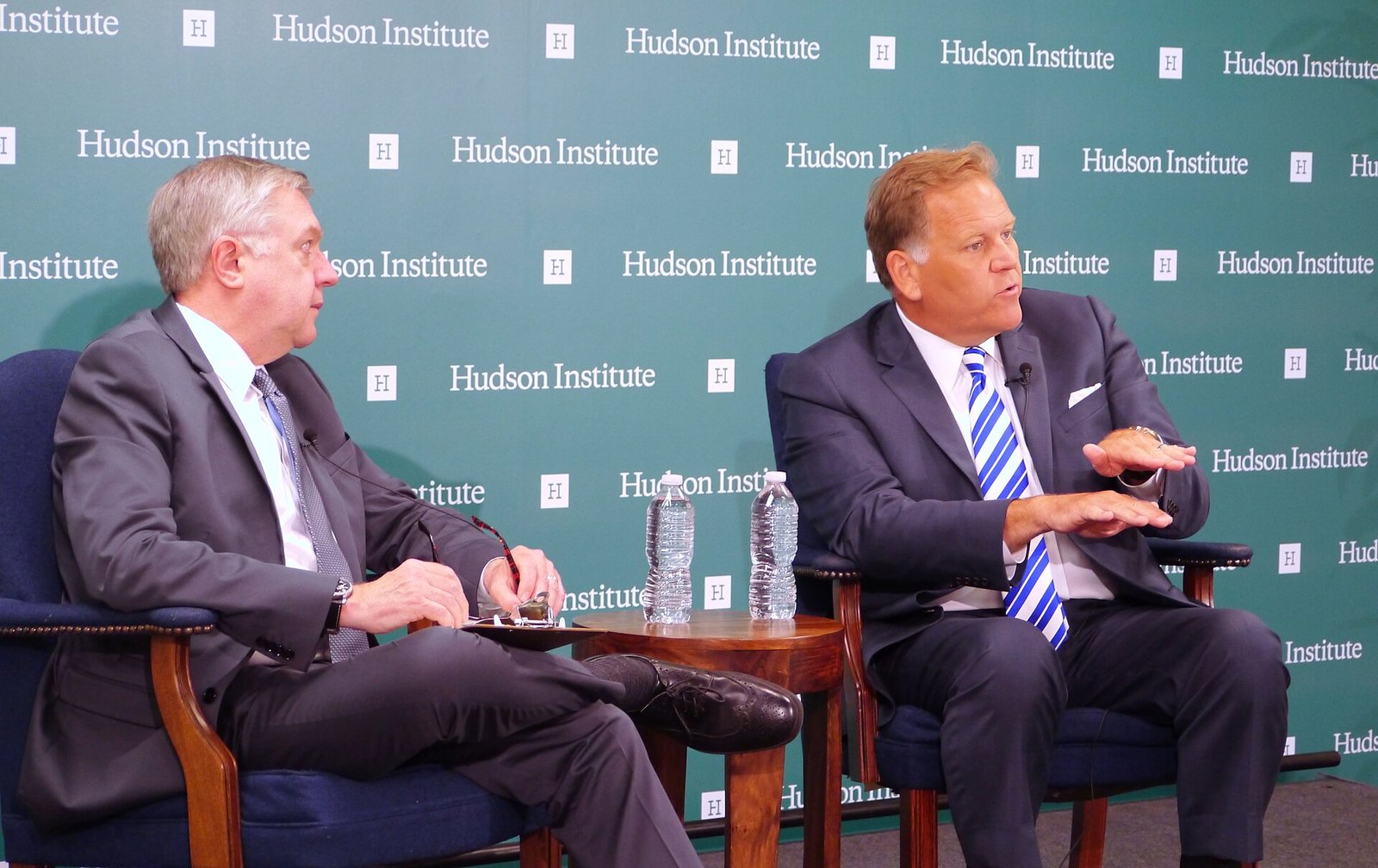
Debate 1: gas prices, tariffs and personal attacks
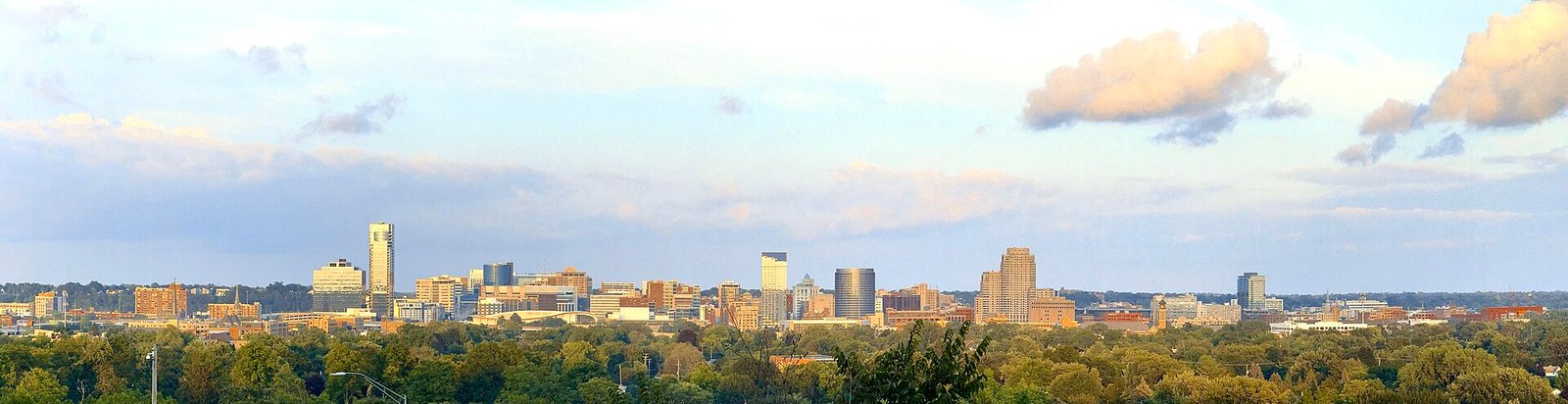
The first debate, on Oct. 8 in Grand Rapids, was loud. The two men talked over each other for much of the hour, and the AP reported they kept arguing during a commercial break.
- Gas tax: Both said they would pause the federal gas tax while prices stay high during the war with Iran.
- Tariffs: Rogers said he now wants the trade fight with Canada to end. El-Sayed cited a study estimating tariffs cost each Michigan household $5,600.
- ICE: El-Sayed repeated his call to abolish the agency. Rogers called a federal operation in Minneapolis “probably not appropriate.”
- Personal jabs: They attacked each other over real estate, height and honesty. Moderator Rick Albin asked them to tone it down.
Debate 2: Detroit, Iran and Social Security
The final debate, on Wednesday, Oct. 21, at WXYZ-TV’s Southfield studios, had fewer fireworks and more policy, according to Michigan Public and WXYZ.
- Detroit voters: Both aimed at Detroit. Rogers noted that El-Sayed didn’t win the city in the August primary.
- Terrorism and faith: The sharpest exchange came when Rogers tried to tie El-Sayed to Middle East groups. El-Sayed denied any link and called the attacks “beneath you.”
- Iran and Trump: Rogers said El-Sayed hadn’t condemned Iran’s Revolutionary Guard. El-Sayed tied Rogers to President Trump again and again.
- Health care: El-Sayed pushed Medicare for All. Rogers said Medicare is too entrenched to change in a big way.
- Other topics: Tariffs and Michigan’s auto industry, gas prices, ICE, Social Security and crime.
Bridge Michigan fact-checked both men and found each was trying to make the same point: that the other one was misleading voters.
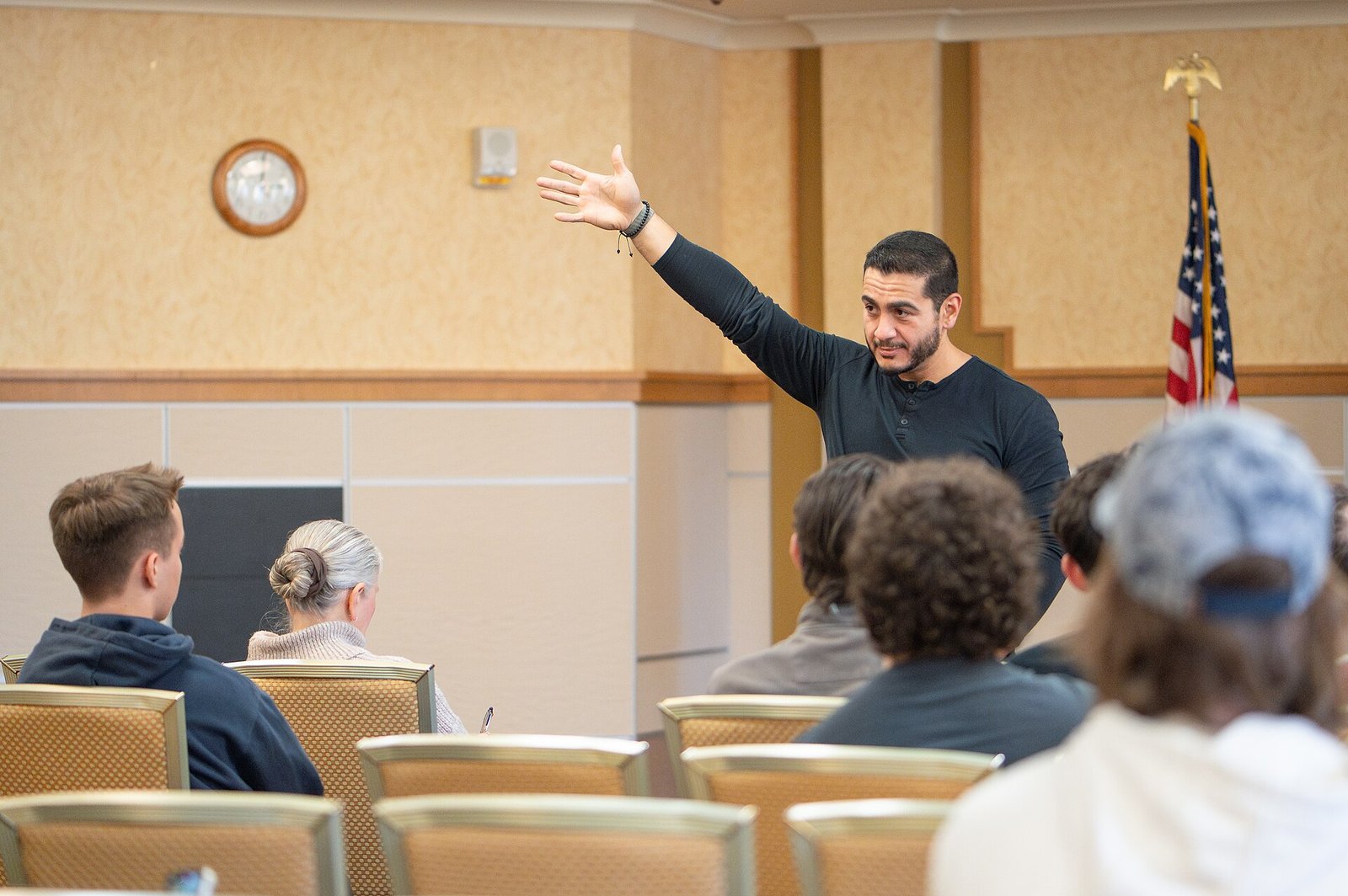
Where they stand on wallet issues
| Issue | El-Sayed | Rogers |
|---|---|---|
| Federal gas tax | Pause it | Pause it |
| Canada tariffs | Says they cost Michigan families too much | Now wants the trade war to end |
| Health care | Medicare for All | Opposes it; keep Medicare largely as is |
| Immigration | Abolish ICE | Supports enforcement; criticized the Minneapolis operation |
| War with Iran | Against funding wars abroad | First backed it; now wants it to end quickly |
Also read: Election Day 2026 Is Nov. 3: How to Check Your Voter Registration
How to vote in Michigan: 5 steps
- Check your registration at Michigan.gov/Vote. It shows your polling place and your clerk’s office.
- Pick how you’ll vote: early in person (Oct. 24 to Nov. 1), by absentee ballot, or at your polling place on Nov. 3.
- Need an absentee ballot? Request it by 5 p.m. Oct. 30 online or by mail, or by 4 p.m. Nov. 2 in person at your clerk’s office. No excuse is needed.
- Return it on time. Absentee ballots must reach your clerk by 8 p.m. on Election Day. Use a drop box, an early voting site or the clerk’s office if mail is too slow.
- Bring ID to the polls. Michigan asks for photo ID. If you don’t have one, you can sign an affidavit and still vote.
Made-up examples (not real people): These are made-up examples to show how the deadlines work.
Tasha in Flint works double shifts on Election Day. She votes early on Saturday, Oct. 31, at her city’s early voting site. It takes 15 minutes, and she’s done.
Mark in Traverse City moved across town in October and forgot to update his address. He missed the Oct. 19 online deadline, so he goes to his clerk’s office with a utility bill, registers and votes the same day.
Why this race matters beyond Michigan
Control of the U.S. Senate could come down to a few states, and Michigan is one of them. Vice President JD Vance has urged Republicans to focus on El-Sayed, and President Trump has attacked him on Truth Social. El-Sayed has criticized Republicans for highlighting his Muslim faith.
On the Democratic side, the party has worked to unite after a hard primary. Gov. Whitmer, who backed Haley Stevens in August, has campaigned with El-Sayed. Newsweek reported that Rep. Ocasio-Cortez and former President Barack Obama were expected to join him on the trail.
Expect heavy ad spending through Election Day. If the result is close, absentee ballots can take extra time to count, so the winner may not be known on election night.
What happens after Election Day
- Counting: Clerks can start processing absentee ballots before Election Day, which speeds up results. Very close races can still take a day or more to call.
- Canvass: County boards check the results over the following two weeks. The state Board of State Canvassers then certifies them.
- Recounts: A candidate can ask for a recount after certification if the margin is close, under Michigan’s recount rules.
- Swearing in: The winner joins the Senate when the new Congress begins on Jan. 3, 2027.
📱 In a hurry? Swipe through our quick Web Story on the first debate.
FAQ
Who is running for U.S. Senate in Michigan in 2026?
Democrat Abdul El-Sayed and Republican Mike Rogers are running for the open seat held by retiring Sen. Gary Peters. Third-party candidates are also on the ballot.
Who is winning the Michigan Senate race?
Recent polls show El-Sayed ahead by 1 to 7 points, but most results are within the margin of error. The Cook Political Report rates the race a Toss-Up.
When does early voting end in Michigan?
Every community must offer early in-person voting from Oct. 24 through Nov. 1, 2026. Some cities offer extra days, so check with your clerk.
Can I still register to vote in Michigan?
Yes. The online and mail deadline passed on Oct. 19, but you can register in person at your city or township clerk’s office through Election Day with proof of residency.
Who won the Michigan Senate debates?
Neither debate had a clear winner. Both sides claimed victory, and fact-checkers found misleading claims from each candidate.
Bottom line
Michigan’s Senate race is close, and it could help decide which party controls the Senate. El-Sayed leads narrowly in most polls, but Rogers is within striking distance. If you live in Michigan, the next deadline is 5 p.m. Oct. 30 to request an absentee ballot online, and early voting ends Nov. 1. Election Day is Tuesday, Nov. 3.
Last reviewed: Oct. 26, 2026. We’ll update this page after the results are in.
Sources: Newsweek: polls; Michigan Public; WXYZ; Bridge Michigan fact check; Newsweek: first debate; Michigan Secretary of State: Elections.
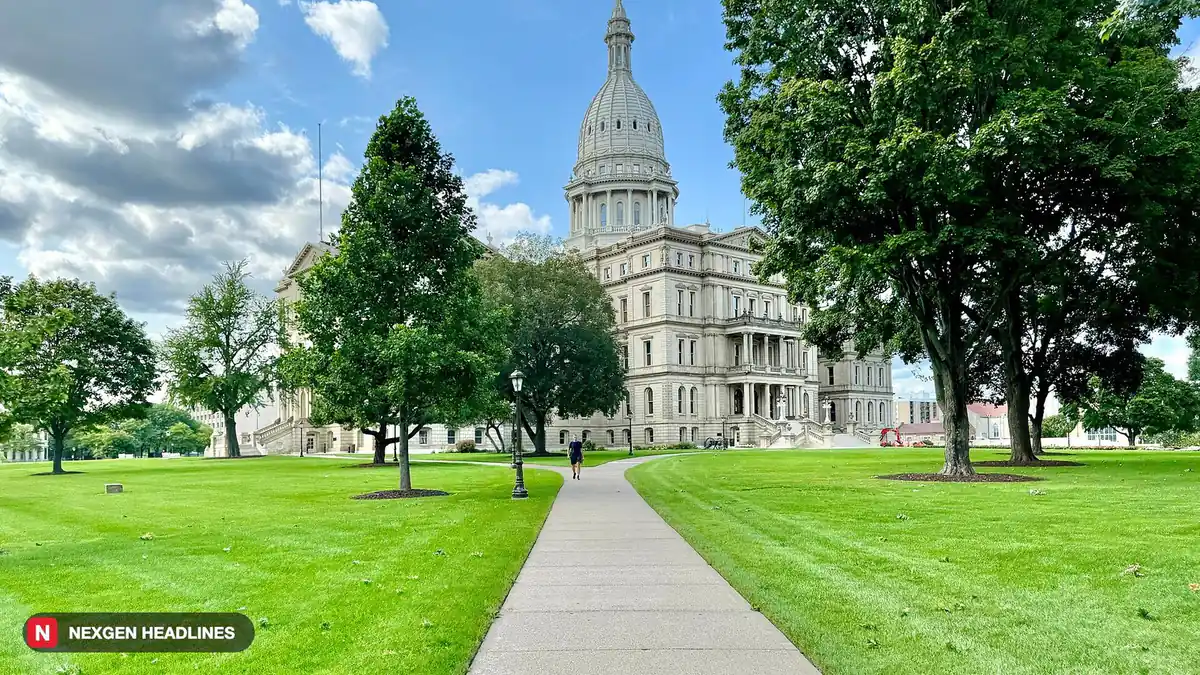
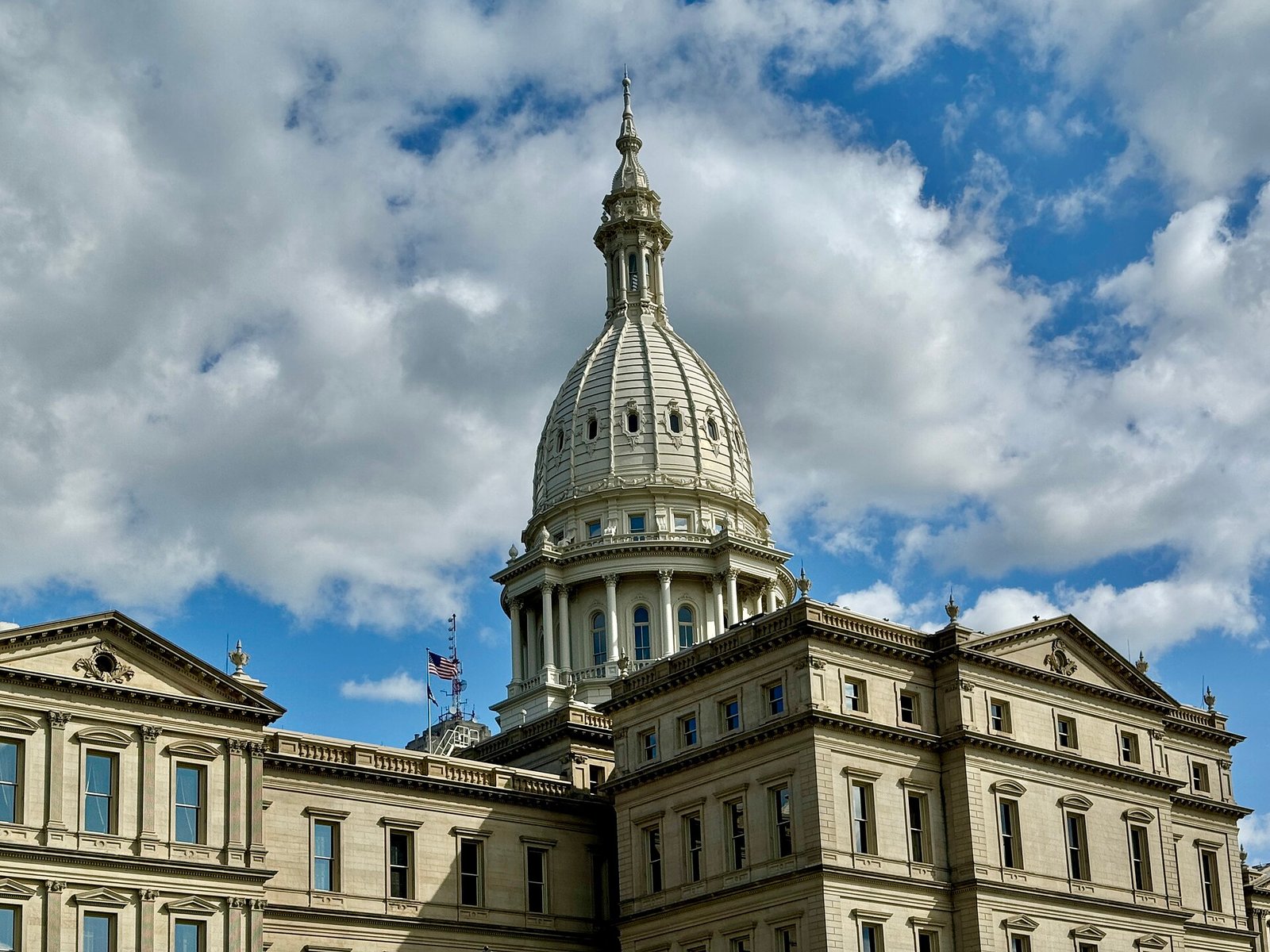
Featured image: The Michigan State Capitol in Lansing. Photo: w_lemay / Wikimedia Commons, CC BY-SA 2.0; edited by Nexgen Headlines.