
In the sunbaked ruins of western Turkey, a growing number of modern spiritual seekers, pagans, and self-described witches are gathering at an ancient temple once famous for prophecy and mystical rituals. For many visitors, the site is more than a historical landmark—it has become a place of personal transformation, spiritual connection, and symbolic power.
A Temple With a Mystical Past
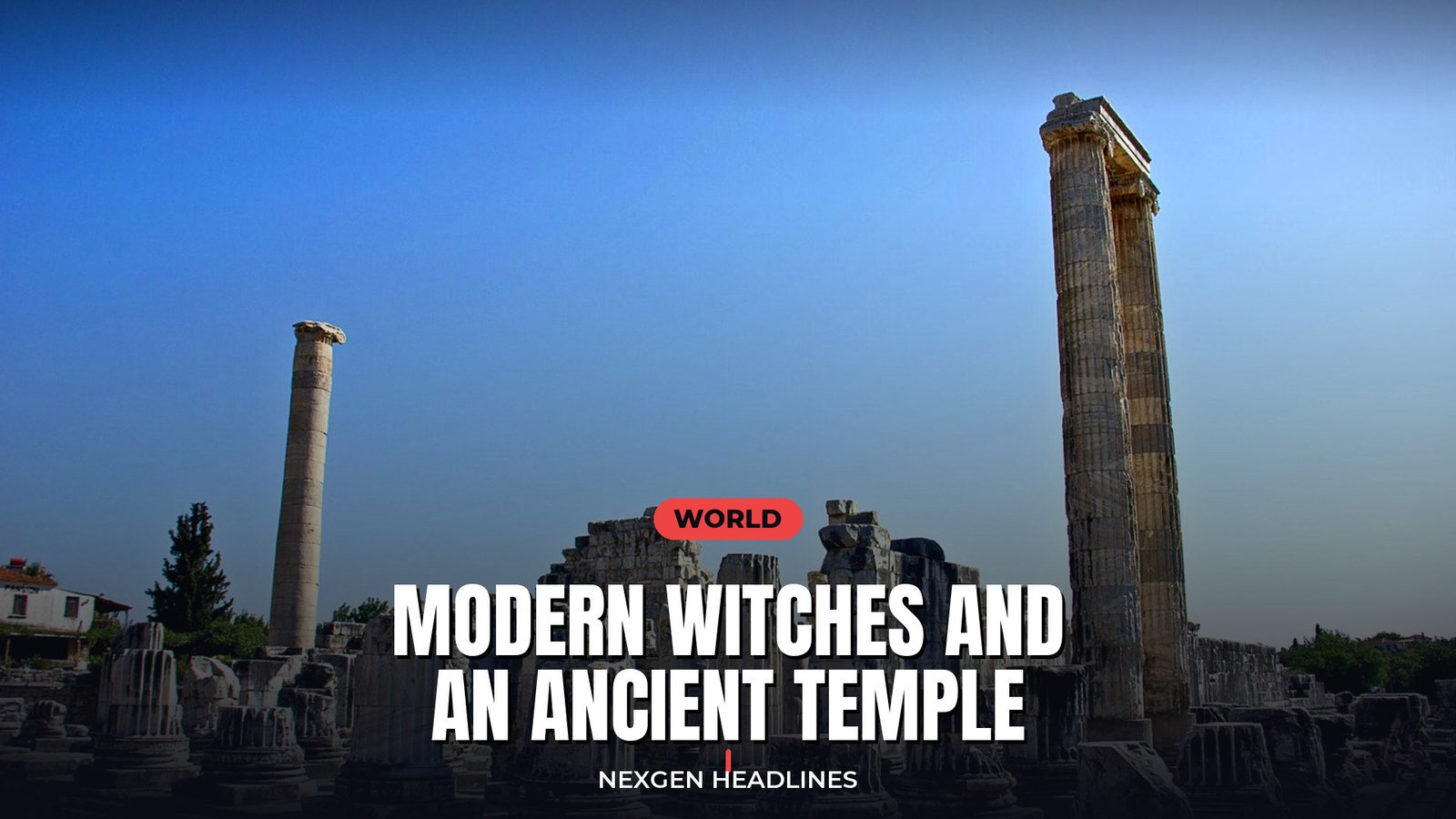
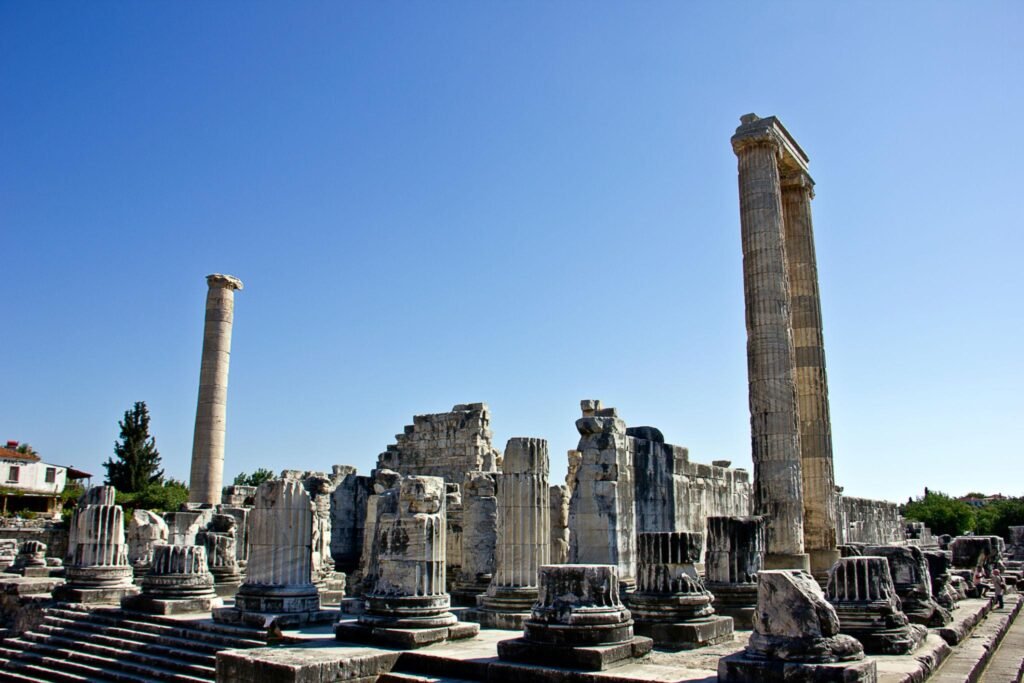
The ancient Temple of Apollo at Didyma was once one of the most important oracle centers in the Greek world. Priests at the temple were believed to channel prophecies from Apollo, the Greek god associated with light, healing, and foresight.
Long before modern tourism arrived, pilgrims traveled across the Mediterranean seeking guidance from the temple’s oracles. Today, that same spiritual energy continues to attract a new generation of believers.
Why Modern Witches Feel Drawn to the Site
For many contemporary witches and pagan practitioners, ancient sacred places hold emotional and symbolic importance. Social media has also helped fuel interest in historical spiritual traditions, with platforms filled with videos about moon rituals, astrology, tarot, and ancient goddess worship.
Visitors often describe the temple as a place where they feel grounded, inspired, or spiritually connected. Some meditate among the towering columns, while others perform quiet personal rituals tied to nature, healing, or self-reflection.
Unlike organized religion, modern witchcraft is highly personal. Many practitioners blend elements of folklore, spirituality, meditation, and ancient mythology into their beliefs. Ancient temples like Didyma offer a physical link to civilizations that once treated spirituality as deeply connected to everyday life.
Tourism Meets Spiritual Exploration
Local tourism officials have noticed increased interest from travelers seeking “spiritual tourism” experiences rather than traditional sightseeing alone. Visitors are not only interested in architecture and archaeology—they are searching for meaning and emotional experiences tied to ancient history.
That trend reflects a broader global movement. Across Europe and the Middle East, ancient sacred sites are increasingly attracting people interested in wellness retreats, mysticism, and alternative spirituality.
Social Media’s Powerful Influence
Platforms like TikTok and Instagram have played a major role in reviving interest in witchcraft-inspired aesthetics and spiritual practices. Videos featuring candle rituals, crystal healing, and ancient ruins regularly attract millions of views.
For younger travelers especially, visiting places tied to mythology and ancient rituals feels both culturally fascinating and personally meaningful.
A Blend of Past and Present
Historians may view the temple primarily as an archaeological treasure, but modern visitors often see something more emotional and symbolic. The ancient stones have become a meeting point between history and modern spirituality.
Whether driven by curiosity, faith, or the search for inner peace, many travelers say the experience offers something rare in today’s fast-moving world: a feeling of connection to something timeless.
Summary
The ancient Temple of Apollo at Didyma is attracting modern witches, pagans, and spiritual travelers who see the historic site as more than just ancient ruins. Once known for prophecy and mystical rituals, the temple has become a popular destination for people seeking spiritual connection, healing, and personal reflection. Fueled by social media trends and growing interest in alternative spirituality, visitors are blending ancient traditions with modern practices, turning the Turkish landmark into a powerful symbol of history, mysticism, and self-discovery.
THANKS FOR READING