
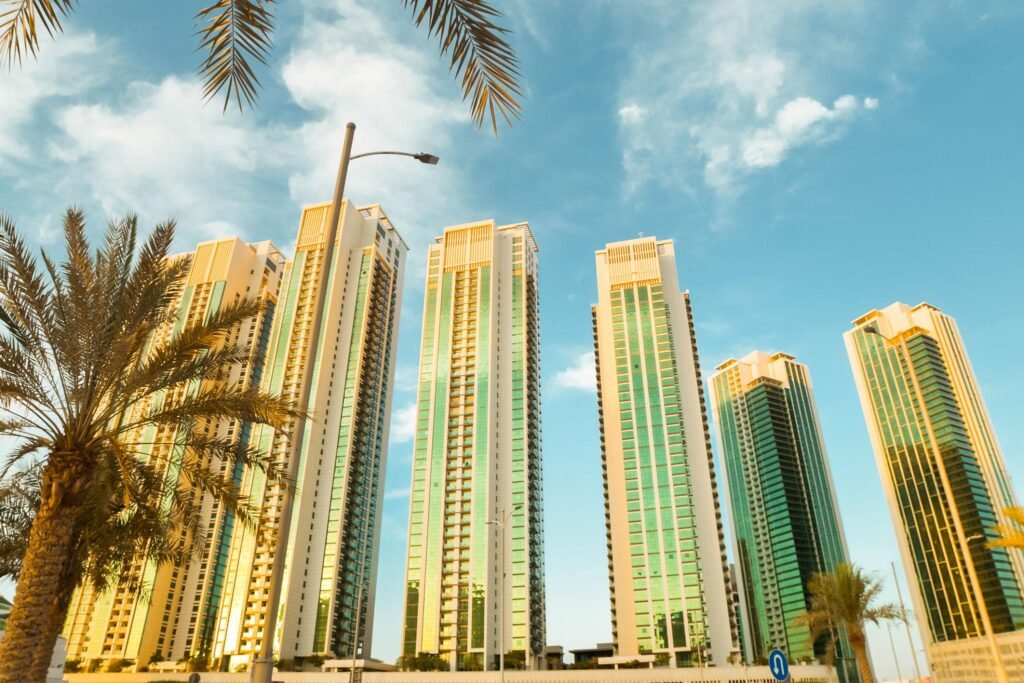
Even as tensions linked to the Iran conflict continue to create uncertainty across the Middle East, Abu Dhabi is moving forward with ambitious plans to expand its tourism industry. Officials in the UAE capital are investing heavily in luxury travel, entertainment, culture, and hospitality in an effort to keep international visitors coming despite regional instability.
The move reflects Abu Dhabi’s long-term strategy to reduce dependence on oil and transform itself into one of the world’s top travel destinations.
Tourism Remains a Major Priority
Tourism has become one of the most important sectors for the UAE economy. From luxury hotels and world-famous museums to shopping centers and desert experiences, Abu Dhabi has spent billions of dollars building a global tourism brand.
Despite growing concerns over the ongoing Iran war and disruptions across the Gulf region, leaders in Abu Dhabi appear determined not to slow down.
According to recent reports, the UAE is continuing investments in travel infrastructure, cultural attractions, and aviation projects even as regional tensions affect parts of the Middle East tourism market.
Luxury and Culture Drive Growth
One of Abu Dhabi’s biggest strengths is its focus on luxury and cultural tourism. Landmarks such as Louvre Abu Dhabi and the Saadiyat Cultural District continue attracting visitors from around the world.
The city is also promoting new museums, beach resorts, high-end shopping destinations, and global entertainment events. Tourism officials believe these experiences help Abu Dhabi stand out from other destinations in the region.
The government’s tourism strategy also includes attracting wealthy international travelers, digital entrepreneurs, and business investors looking for stability and premium experiences.
War Concerns Still Affect Travel
While Abu Dhabi remains open for tourism, the regional conflict has created challenges. Earlier this year, parts of Gulf airspace faced disruptions after tensions between Iran, the United States, and Israel escalated. Some airlines temporarily suspended or rerouted flights during the peak of the crisis.
Travel experts warn that prolonged instability could impact hotel bookings, airline traffic, and investor confidence across the Middle East. Some tourism analysts estimate the region could face billions of dollars in losses if tensions continue for an extended period.
Still, Abu Dhabi officials remain confident that strong infrastructure, security measures, and global branding will help maintain tourism momentum.
Massive Investments Continue
Abu Dhabi is also pushing forward with major infrastructure and development projects. The UAE continues expanding transport systems, cultural districts, and hospitality investments as part of its broader economic diversification plan.
Business confidence in the city also remains relatively strong. Several international firms have continued opening offices in Abu Dhabi despite the regional conflict, showing faith in the emirate’s long-term economic outlook.
Officials believe tourism, finance, technology, and entertainment will play a major role in shaping the UAE’s future economy.
Looking Ahead
Although geopolitical tensions remain a concern, Abu Dhabi is sending a clear message to the world: it plans to keep growing.
By doubling down on tourism, culture, and luxury experiences, the city hopes to protect its economy from regional instability while strengthening its position as a leading global destination.
For now, travelers, investors, and businesses are watching closely to see whether Abu Dhabi can successfully balance rapid tourism growth with the uncertainties created by conflict in the region.
THANKS FOR READING
