
North Korea Drone Operators: Major New Escalation in Russia’s War
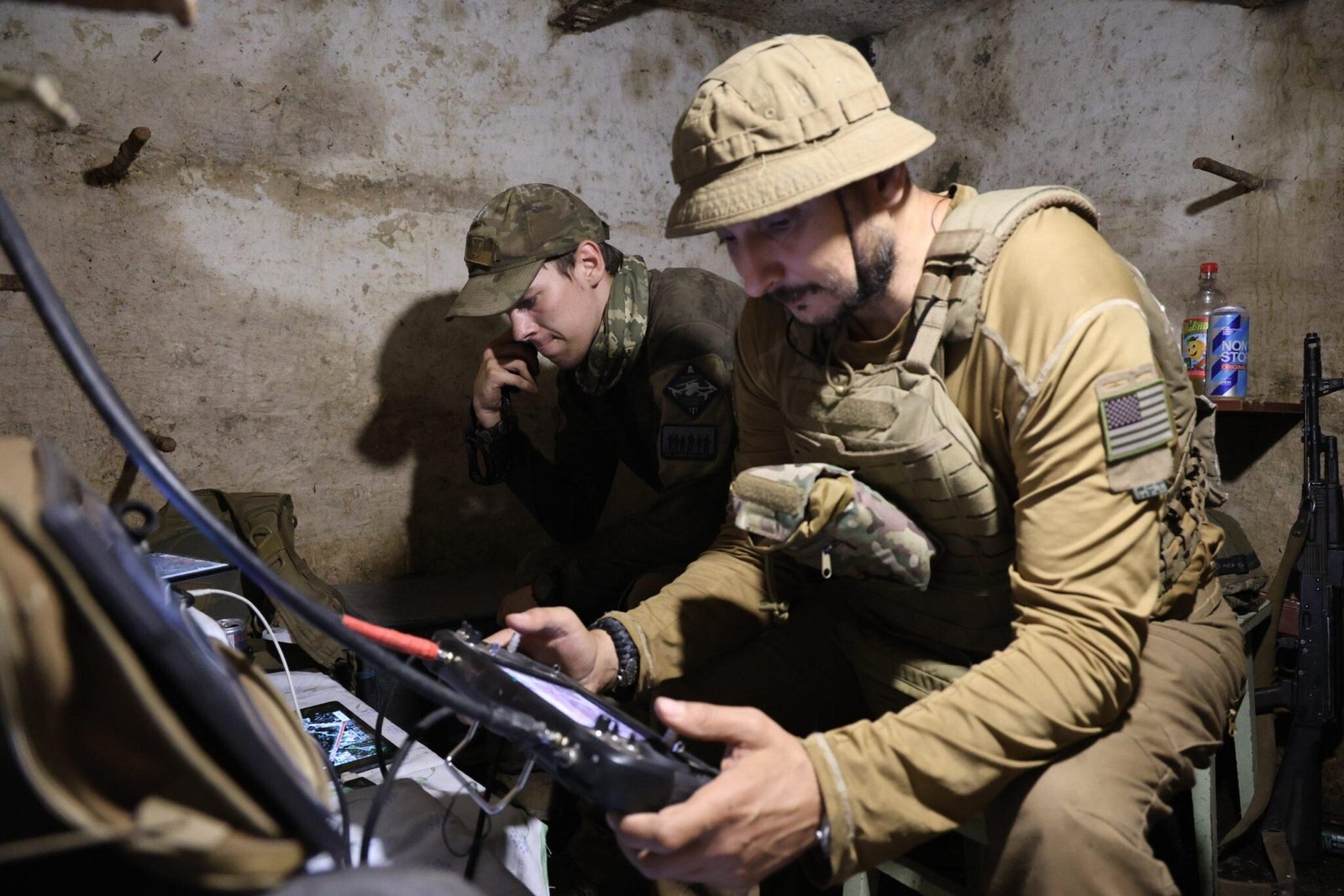
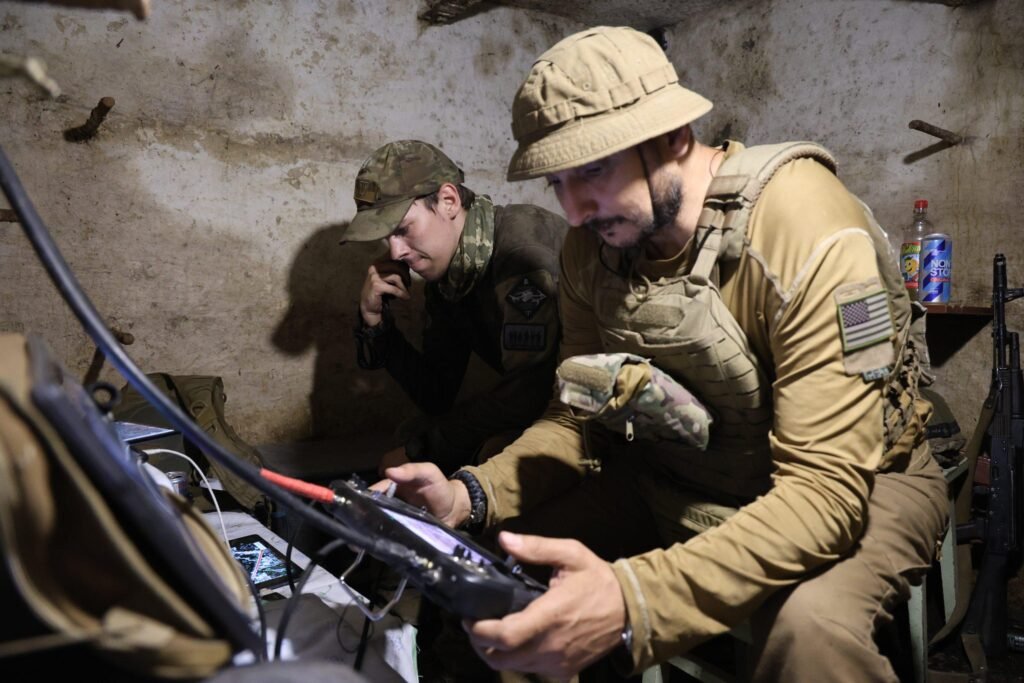
North Korea drone operators are now reportedly part of a new North Korean military deployment to Russia, according to Ukrainian intelligence, marking a potentially significant expansion of Pyongyang’s support for Moscow in the Ukraine war.
Ukraine says the latest North Korean contingent includes approximately 8,500 personnel, with around 400 drone operators among them. The development could give Russia additional manpower and specialized expertise at a time when unmanned aircraft have become one of the most important tools on the battlefield.
A New Phase in the Russia-North Korea Partnership
North Korean has already provided Russia with substantial military assistance during the war, according to Ukrainian and independent assessments. That support has included ammunition, missiles and other military equipment.
The reported deployment of North Korea drone operators, however, could represent a different level of involvement.
Drones are no longer a secondary technology in modern warfare. Both Russia and Ukraine rely heavily on unmanned aircraft for reconnaissance, battlefield surveillance, targeting and attacks. Skilled operators can therefore provide more than additional personnel—they can bring specialized knowledge that could improve the effectiveness of drone operations.
Ukraine’s military intelligence says the newly deployed North Korean forces are primarily located in Russia’s Kursk region. The wider contingent reportedly also includes about 1,000 engineers and deminers, highlighting the broad range of military roles involved in the deployment.
Why Drone Operators Could Matter
The Ukraine war has demonstrated how quickly drone warfare has evolved.
Small unmanned aircraft can locate military positions, monitor troop movements and help direct artillery. Larger systems can travel much farther and carry out attacks against targets well behind the front line.
For Russia, additional trained personnel could help maintain a large-scale drone campaign while reducing pressure on its own military manpower.
For North Korea, sending personnel overseas could also provide valuable experience with modern battlefield technology. Military specialists operating alongside Russian forces could potentially gain firsthand knowledge of electronic warfare, drone tactics and battlefield conditions.
That makes the relationship important beyond the immediate conflict.
Ukraine Warns of Growing Military Cooperation
Ukrainian officials have repeatedly warned that cooperation between Moscow and Pyongyang is becoming deeper.
The latest intelligence assessment comes only days after Russian Foreign Minister Sergei Lavrov described Russia and North Korea as working together toward what he called a new international order. Moscow and Pyongyang have steadily expanded their strategic relationship since Russia’s full-scale invasion of Ukraine.
The two countries have increasingly presented their partnership as a long-term strategic relationship rather than a temporary wartime arrangement.
That development has raised concerns in Washington, Seoul and other allied capitals because military cooperation between Russia and North Korea could have consequences far beyond Ukraine.
Could More North Korean Troops Follow?
There has also been controversy surrounding reports that North Korea could eventually provide tens of thousands of additional troops.
Ukrainian officials have previously warned that Russia could seek as many as 50,000 additional North Korean troops. North Korean official Kim Yo Jong rejected that claim on August 19, calling the allegation groundless.
That disagreement makes the exact scale of future North Korea involvement difficult to determine.
Still, the reported arrival of another large contingent suggests that military cooperation between the two countries remains active.
A Wider Global Security Concern
The involvement of North Korea drone operators also highlights how the Ukraine war is increasingly connected to broader international security issues.
Russia has strengthened its relationship with North Korea, while Ukraine continues to receive military support from Western countries. At the same time, drones have become increasingly important to both sides.
Recent fighting has demonstrated just how central unmanned systems have become. Ukraine has conducted increasingly large drone operations against targets inside Russia, while Russia has continued launching major missile and drone attacks against Ukrainian cities.
This means that specialized drone personnel could have an impact disproportionate to their numbers.
What Comes Next?
The biggest question now is how actively the reported North Korean personnel will participate in military operations.
If North Korean drone operators begin carrying out reconnaissance or attack missions, it could mark another significant step in Pyongyang’s direct military involvement in the conflict. It could also give Russia additional capabilities as both sides continue to expand their use of unmanned technology.
For Ukraine, the development creates another challenge in an already complicated battlefield.
For the United States and its allies, it raises difficult questions about how far Russia-North Korea military cooperation could eventually go.
Conclusion
The reported deployment of North Korea drone operators to Russia represents a potentially important development in the Ukraine war. While many details surrounding their exact missions remain unclear, Ukrainian intelligence says the new contingent includes hundreds of drone specialists among thousands of North Korean personnel.
The move demonstrates that the Russia-North Korea relationship continues to deepen and that modern warfare is becoming increasingly dependent on specialized unmanned technology.
As the conflict enters another period of intense drone and missile activity, the role of these North Korean personnel will be closely watched. What happens next could reveal whether this deployment is simply additional support for Russia—or the beginning of a much broader military partnership.
THANKS FOR READING