

Quick answer: Social Security benefits rise 3.6 percent in 2027, about $75 a month more for the average retirement benefit. Most recipients see it in January 2027; SSI recipients get it in the early January payment paid December 31, 2026.
If you get Social Security, your January check is going up. The Social Security Administration confirmed on October 14, 2026 that the cost-of-living adjustment for 2027 is 3.6% — the biggest raise since the 8.7% jump in 2023, and noticeably better than the 2.8% that landed this year.
For the average retiree that works out to roughly $75 more a month. Whether you actually feel all $75 is a different question, and that is really what this guide is about: what the number means, when it reaches your bank account, and the one deduction that quietly eats a slice of it before you ever see it.
The short version
- 3.6% COLA for 2027, announced October 14, 2026
- About $75 a month more for the average retirement benefit
- Roughly 72 million Social Security recipients see it in January 2027
- About 7.3 million SSI recipients see it from December 31, 2026 — that is the early payment for January, not a bonus
- Based on the CPI-W inflation measure, third quarter against third quarter
- Your Medicare Part B premium is expected to rise too, which offsets part of it
There is a slide-by-slide version of all of this in our 2027 COLA web story.
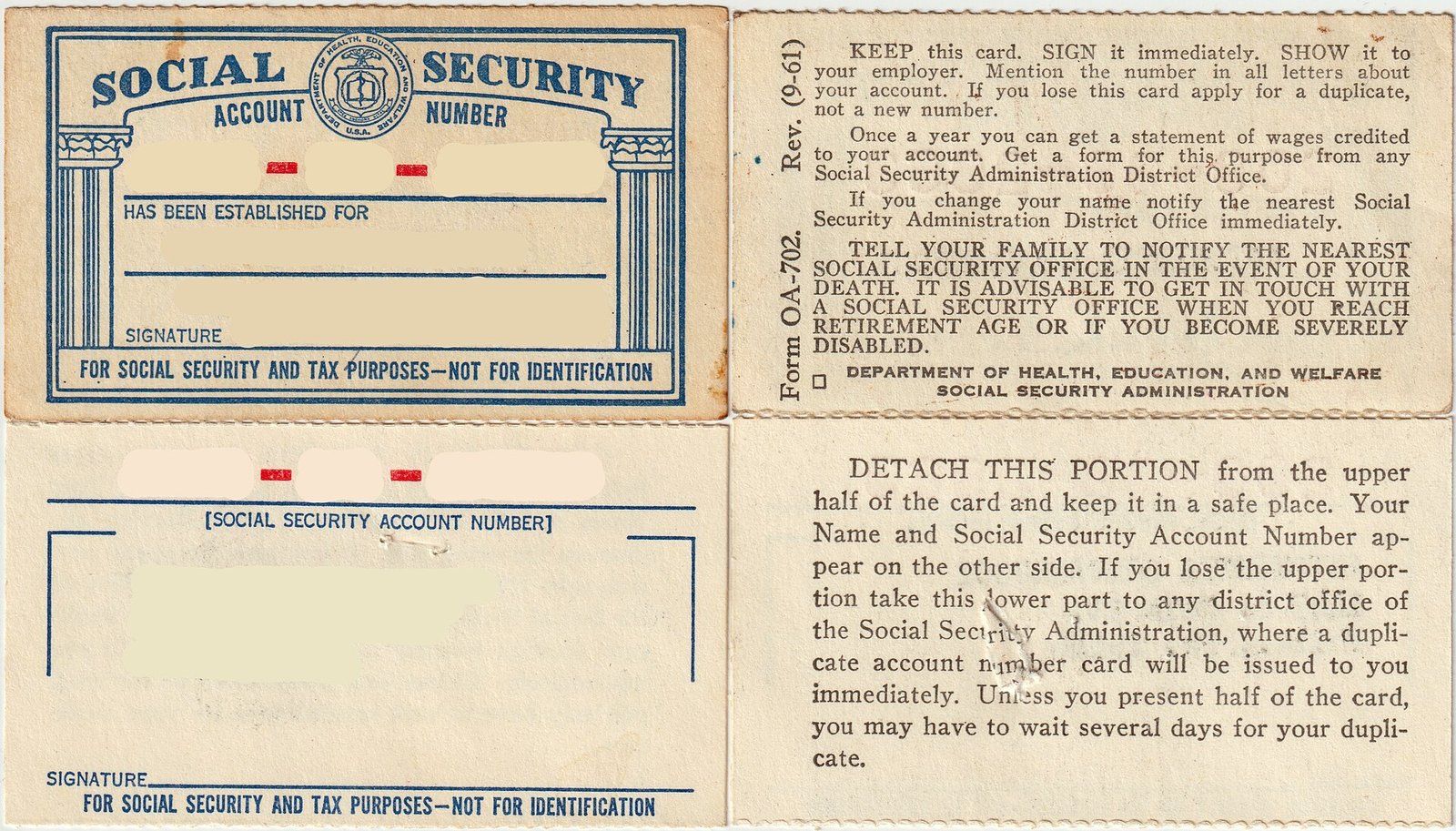
What a 3.6% raise actually looks like on your check
Percentages are slippery. Here is the same 3.6% applied to real benefit amounts, so you can find the row closest to yours. Take your current gross monthly benefit, multiply by 1.036, and you have your 2027 figure before deductions.
| Your 2026 monthly benefit | 3.6% increase | Your 2027 benefit | Extra per year |
|---|---|---|---|
| $1,000 | +$36.00 | $1,036.00 | $432 |
| $1,400 | +$50.40 | $1,450.40 | $605 |
| $1,800 | +$64.80 | $1,864.80 | $778 |
| $2,000 | +$72.00 | $2,072.00 | $864 |
| $2,500 | +$90.00 | $2,590.00 | $1,080 |
| $3,200 | +$115.20 | $3,315.20 | $1,382 |
| $4,000 | +$144.00 | $4,144.00 | $1,728 |
These are straight arithmetic on the gross benefit, rounded to the nearest cent. Your actual deposit depends on Medicare premiums, tax withholding and any garnishment or overpayment recovery.
A worked example: Denise, 71, Ohio
Denise gets $1,842 a month. Her 2027 gross benefit becomes $1,908.31 — a raise of $66.31. Medicare Part B comes out of her check automatically; if the standard premium rises by the projected $6.60, her net gain is about $59.71 a month, or roughly $716 over the year.
That is not nothing. It is also not the $75 headline, and the gap between those two numbers is where most of the confusion about COLA lives. The headline figure is an average across all retirement benefits, and it is a gross figure.
When the money actually arrives
Social Security pays on a staggered schedule based on your birth date, and the COLA shows up in the first payment for January 2027. The dates below are the standard rules applied to the January 2027 calendar.
| If your birthday falls on | Your January 2027 payment date |
|---|---|
| The 1st–10th of the month | Wednesday, January 13, 2027 |
| The 11th–20th | Wednesday, January 20, 2027 |
| The 21st–31st | Wednesday, January 27, 2027 |
| You started benefits before May 1997 | Monday, January 4, 2027 (the 3rd falls on a Sunday) |
| You receive SSI | Thursday, December 31, 2026 |
That December 31 date confuses people every single year. SSI is normally paid on the 1st, and January 1, 2027 is a federal holiday that falls on a Friday, so the payment moves to the last business day before it. Two SSI deposits land in December 2026 and none on January 1 — it is a calendar artefact, not an extra payment, and no, you have not been overpaid.
The part nobody puts in the headline: Medicare
If you are on Medicare, your Part B premium is deducted from your Social Security payment before it reaches you. So the raise you feel is the COLA minus whatever Part B does.
For 2027, the standard Part B premium is projected at about $209.50 a month, up roughly $6.60 from $202.90 in 2026. That number is not official yet — CMS confirms the real figure in late autumn, and we will update this page when it does. Treat $209.50 as a well-informed estimate, not a fact.
The good news this year is proportion. A $6.60 premium increase against a $75 average COLA leaves most people clearly ahead, which has not always been true. In years when the COLA was small and Part B jumped, retirees opened their January statement to find the raise had vanished entirely.
If you are weighing plans right now, open enrollment is running: our guide to Medicare open enrollment for 2027 covers the deadline and what changes this year. There is also the separate one-off $90 Medicare rebate that went out in October, which a lot of people are still asking about.
Where the 3.6% comes from
The COLA is not a policy decision, a vote, or a gift. It is a formula, written into law, and no one in Washington chooses the number.
The Social Security Administration takes the Consumer Price Index for Urban Wage Earners and Clerical Workers — CPI-W — averages it over July, August and September, and compares that average with the same three months of the previous year. The percentage difference is the COLA. If prices had fallen, the COLA would simply be zero; benefits never go down because of it.
CPI-W is the quiet source of most complaints about the system. It is built from the spending patterns of working people, not retirees, so it underweights the two things that eat retirement budgets hardest: medical care and housing. Advocacy groups have pushed for years to switch to CPI-E, an experimental index weighted toward people over 62. Congress has not done it.
| Year | COLA |
|---|---|
| 2027 | 3.6% |
| 2026 | 2.8% |
| 2025 | 2.5% |
| 2024 | 3.2% |
| 2023 | 8.7% |
| 2022 | 5.9% |
| 2021 | 1.3% |
Seen next to that run, 3.6% is a solidly above-average year. The 2023 figure was an outlier driven by the post-pandemic inflation spike, and nobody should expect a repeat.
How to check your own number, exactly
You do not have to wait for the post. Your personalised COLA notice appears in the Message Center of your my Social Security account in early December, usually before the paper version reaches your mailbox. It shows your exact 2027 benefit and every deduction.
- Go to ssa.gov/myaccount and sign in. New accounts now go through Login.gov or ID.me.
- Open the Message Center and look for the COLA notice, posted in early December.
- Check the net figure, not just the gross — that is what hits your bank.
- If the number looks wrong, compare it against your current benefit verification letter before calling.
If you have never set the account up, our walkthrough on how to check your Social Security statement online goes through the identity verification step, which is where most people get stuck.

Watch out for the COLA scam season
Every October and November, a wave of scams follows the COLA announcement. The pattern barely changes: a text or call claiming your increase needs to be “activated”, “verified” or “claimed”, with a link or a request for your Social Security number.
Three things are always true, and knowing them is enough to shut every one of these down:
- The COLA is automatic. There is no form, no application, no activation. You do nothing.
- SSA does not call or text asking for your number. They already have it.
- Nobody from SSA will ever ask for payment in gift cards, wire transfer or crypto. That request alone proves the call is fake.
If you get one, hang up and report it at oig.ssa.gov. If you have already given something away, our guides on what to do if your identity is stolen and spotting scam texts cover the first 24 hours, which matter most.
Three things worth doing before January
1. Check your tax withholding. A bigger benefit can push more of it into taxable territory. Up to 85% of Social Security can be taxed, and the income thresholds that decide this — $25,000 for single filers, $32,000 for joint — have not been adjusted for inflation since the 1980s. Every COLA drags a few more people over the line. Form W-4V changes your voluntary withholding.
2. Re-check your Medicare plan while you still can. Open enrollment closes December 7. A Part D or Advantage plan that suited you last year may have changed its drug list or network for 2027.
3. Do not spend it before December. The projected Part B premium is not final, and the actual net increase could land a few dollars either side of what you are expecting.
What the COLA does not quite cover
A 3.6% raise sounds like it should keep you level with prices, and on paper it does. In practice, retirees routinely report that it does not, and the reason is structural rather than imaginary.
CPI-W, the index the formula uses, is built from the spending of urban wage earners and clerical workers — people in their working years. Their budgets are weighted toward transport, petrol and the things working households buy. Retirees spend a far larger share of their income on two categories that have risen faster than the overall index for most of the past decade: medical care and housing.
Put concretely: if your household spends 15% of its income on healthcare and the national average is nearer 8%, an index built on the average will understate your personal inflation rate every single year. The gap is small annually and significant over a decade, which is why people who have been retired fifteen years feel it far more than people who retired last spring.
That is the case for CPI-E, the experimental index weighted toward people over 62, which has historically run a few tenths of a point above CPI-W. Switching to it would require an act of Congress, and it has been proposed repeatedly without passing.
None of this makes 3.6% a bad year — it is comfortably above average, and well ahead of the projected Medicare increase. It is simply worth knowing that the formula is not designed around your spending, and that planning on the COLA alone keeping pace with a retiree’s real costs has not historically worked out.
The practical response is unglamorous and effective: review the costs you can actually control. Drug plan choice during open enrollment is the single biggest controllable line item for most retirees, and it is reviewed by a minority of them.
Frequently asked questions
How much is the 2027 Social Security COLA?
It is 3.6%, announced by the Social Security Administration on October 14, 2026. It raises the average retirement benefit by about $75 a month starting with January 2027 payments.
When will I see the 2027 COLA in my payment?
Social Security recipients see it in their January 2027 payment, which arrives on January 13, 20 or 27 depending on your birth date. SSI recipients see it from December 31, 2026, which is the early payment for January.
Do I need to apply for the COLA?
No. It is applied automatically to every benefit. Anyone contacting you to help you claim, activate or verify your increase is running a scam.
Why is my increase smaller than $75?
The $75 figure is the average across all retirement benefits. Your own raise is 3.6% of your own benefit, and Medicare Part B is deducted before the money reaches you.
Will Medicare wipe out the 2027 raise?
Almost certainly not this year. The standard Part B premium is projected to rise about $6.60 a month against an average COLA of roughly $75, so most people stay clearly ahead. The final premium has not been confirmed by CMS yet.
How is the COLA calculated?
By law, the Social Security Administration compares the CPI-W inflation index for July through September against the same three months a year earlier. The percentage difference is the COLA. No one votes on it.
Does the COLA apply to disability and survivor benefits too?
Yes. The same 3.6% applies across retirement, disability (SSDI), survivor benefits and SSI.
More US money guides
- Medicare open enrollment 2027: dates, costs and what changed
- The $90 Medicare rebate: who got it and who did not
- What the 2027 tax brackets are likely to be
- How to check your Social Security statement online
- What to do if your identity is stolen
- Web story: the 2027 COLA in 11 slides
Last reviewed: Oct. 27, 2026. Facts are as reported when this story was published on Oct. 14, 2026.