
US Iran Regional Conflict
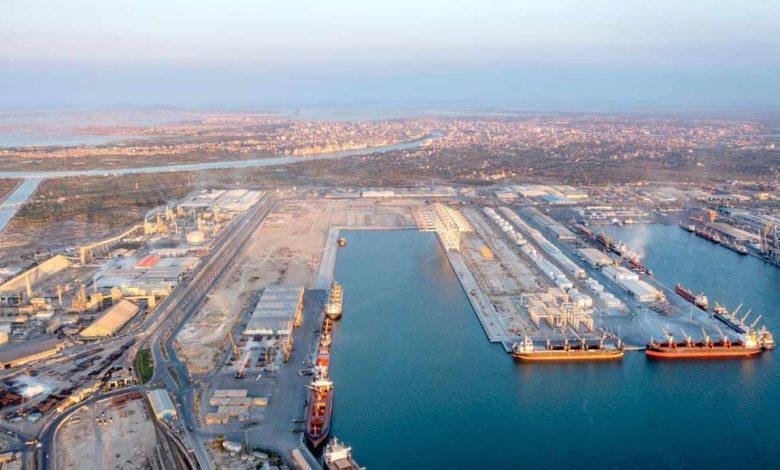
The US Iran Regional Conflict entered another dangerous chapter after Egypt experienced its first reported attack linked to the expanding crisis. A drone strike near Egypt’s Mediterranean coast targeted gas vessels at Damietta Port, a key energy and shipping hub connected to regional trade routes. Egyptian authorities said an unidentified drone caused a fire aboard vessels at the port, while emergency crews quickly contained the incident. No fatalities were immediately reported.
- US Iran Regional Conflict
- Egypt Becomes the Latest Country Affected
- How the Conflict Reached This Point
- Strategic Importance of Egypt
- Global Energy Markets React
- Shipping Companies Face New Challenges
- Regional Security Concerns Continue to Grow
- Diplomatic Efforts Continue
- Impact on Civilians and Businesses
- Why This Development Matters
- What Happens Next?
- Summary
The attack has intensified concerns that the conflict is spreading beyond its original participants. What began as a direct military confrontation between the United States and Iran is increasingly affecting neighboring countries, major shipping corridors, and global energy infrastructure. Security analysts warn that every new country drawn into the crisis raises the risk of broader regional instability.
Egypt Becomes the Latest Country Affected
For months, Egypt had largely remained outside the direct line of military attacks despite its strategic location near the Suez Canal.
That changed when drones struck Damietta Port, an important facility for liquefied natural gas imports and maritime trade. One of the affected vessels was identified as a U.S.-linked gas storage tanker. Egyptian officials confirmed that firefighters quickly brought the blaze under control while investigators worked to determine responsibility for the attack. No group immediately claimed responsibility.
The incident demonstrates that infrastructure previously viewed as relatively secure is now facing increased risks as the conflict expands.
How the Conflict Reached This Point
The latest escalation follows weeks of military exchanges between the United States and Iran.
According to U.S. officials, American forces recently carried out strikes against facilities associated with Iran’s Islamic Revolutionary Guard Corps in response to earlier Iranian attacks on U.S. personnel and military installations in the region.
Iran, in turn, launched missile and drone attacks targeting U.S. bases in neighboring countries, including Jordan and Kuwait, while also warning that additional responses could follow if military pressure continued.
These retaliatory actions have steadily widened the geographic scope of the conflict.
Strategic Importance of Egypt
Egypt occupies one of the world’s most important locations for international trade.
The Suez Canal connects the Mediterranean Sea with the Red Sea, allowing ships to avoid the much longer journey around Africa. Millions of barrels of oil, liquefied natural gas, and countless cargo shipments pass through the canal every day.
As shipping through the Strait of Hormuz faces growing disruption, many exporters have relied more heavily on alternative routes involving the Suez Canal and Egyptian ports.
The latest attack raises concerns that these alternative energy corridors could also become vulnerable.
Global Energy Markets React
The US Iran Regional Conflict is also creating uncertainty in global energy markets.
Every attack involving oil facilities, ports, or shipping lanes increases concern about potential supply disruptions.
Energy traders continue monitoring developments closely because interruptions along major maritime routes can quickly influence oil prices, transportation costs, and inflation.
Although global supplies have not been significantly interrupted so far, markets remain highly sensitive to any signs of additional escalation.
Shipping Companies Face New Challenges
Commercial shipping companies are reassessing operational risks throughout the Middle East.
Higher insurance premiums, additional security measures, and longer route planning are becoming increasingly common as shipping firms attempt to protect vessels and crews.
Maritime security experts note that attacks affecting ports, tankers, or critical infrastructure can have consequences extending well beyond the immediate area, influencing supply chains around the world.
Regional Security Concerns Continue to Grow
The expanding US Iran Regional Conflict is affecting multiple countries across the Middle East.
Recent military activity has involved not only Iran and the United States but also neighboring states hosting American military facilities or supporting regional security operations.
Governments throughout the region have increased security around airports, ports, energy infrastructure, and military installations while encouraging diplomatic efforts aimed at reducing tensions.
Diplomatic Efforts Continue
Despite the escalating military exchanges, diplomatic discussions have not completely stopped.
Regional mediators continue encouraging dialogue between the parties in hopes of preventing additional countries from becoming directly involved.
Several governments have emphasized the importance of protecting international shipping routes while seeking renewed negotiations to reduce military activity.
However, no comprehensive agreement has yet emerged to halt the latest cycle of attacks.
Impact on Civilians and Businesses
Although many attacks have focused on military or strategic infrastructure, civilians and businesses are increasingly feeling the effects.
Companies operating ports, shipping terminals, and logistics centers face higher operating costs and greater uncertainty.
Communities located near strategic infrastructure are also experiencing increased concern as governments strengthen security and emergency preparedness.
The broader economic effects may eventually extend beyond the Middle East through higher transportation costs and supply chain disruptions.
Why This Development Matters
The first reported strike affecting Egypt marks an important turning point.
Until now, many neighboring countries had avoided direct attacks on their territory.
The incident highlights how rapidly regional conflicts can expand when strategic infrastructure becomes part of military calculations.
Security experts warn that preventing additional countries from being drawn into the conflict will be critical for maintaining regional stability and protecting international trade.
What Happens Next?
Military and diplomatic developments over the coming days will likely determine whether the conflict continues expanding.
Governments are expected to strengthen defenses around major ports, energy facilities, and transportation corridors while monitoring for additional attacks.
International organizations continue urging restraint and renewed diplomatic engagement to prevent further escalation.
Whether those efforts succeed may shape the future of regional security and global energy markets.
Summary
The US Iran Regional Conflict widened significantly after Egypt experienced its first reported attack connected to the ongoing crisis. A drone strike at Damietta Port targeted gas vessels, highlighting the growing risks facing regional energy infrastructure and international shipping. While no group immediately claimed responsibility and no fatalities were initially reported, the incident demonstrates how the conflict is increasingly affecting countries beyond its original participants. As military operations continue and diplomatic efforts struggle to gain momentum, governments, businesses, and global markets remain focused on preventing an even broader US Iran Regional Conflict escalation.
THANKS FOR READING
