
Those “You’re pre-approved!” credit card and insurance offers in your mailbox aren’t random. Lenders buy lists from the credit bureaus of people who meet certain criteria. That means more junk mail, and more paper with your name and financial details that a thief could pull from your trash. The good news: one free request stops them, and it takes about five minutes.
Quick answer
- Go to OptOutPrescreen.com or call 1-888-5-OPT-OUT (1-888-567-8688).
- It’s the official site run by the major credit bureaus, and it’s free.
- Choose 5 years (online or phone) or permanent (start online, then mail a signed form).
- Offers usually stop within a few weeks.
📱 Short on time? Swipe through the 1-minute Web Story version.
How to opt out, step by step
- Type OptOutPrescreen.com into your browser yourself (don’t click links in emails).
- Choose “Click here to Opt-In or Opt-Out.”
- Pick Electronic Opt-Out for Five Years, or Permanent Opt-Out by Mail.
- Enter your name, address, date of birth and Social Security number. The FTC says this information is confidential and used only to process your request.
- For the permanent option, print, sign and mail the Permanent Opt-Out Election form.
- Prefer the phone? Call 1-888-567-8688 for the five-year option.

5-year vs. permanent opt-out
| Option | How | Lasts |
|---|---|---|
| 5-year opt-out | Online or by phone | 5 years, then you can renew |
| Permanent opt-out | Start online, then mail a signed form | Until you opt back in |
What it stops, and what it doesn’t
- Stops: prescreened credit card and insurance offers based on lists from the major credit bureaus.
- Doesn’t stop: offers from banks you already do business with, local merchants, charities or other mailing lists.
- Your credit score: opting out has no effect on it.
- Changed your mind? You can opt back in on the same site or by phone.
⚠️ Opting out is a good habit, but it isn’t identity-theft protection on its own. For the strongest free protection, freeze your credit at all three bureaus, and shred any offers that still arrive.

Why you get pre-approved offers in the first place
Under the federal Fair Credit Reporting Act, lenders and insurers may buy “prescreened” lists from the credit bureaus.
They set rules, like a minimum score or income range. The bureau then sends them names and addresses of people who match.
This is legal, and it is not a hard inquiry. It does not lower your score. But it does put your name on many mailing lists each year.
Should you opt out? Pros and cons
| Opt out if… | Maybe keep offers if… |
|---|---|
| You get several offers a week | You are rebuilding credit and want to see what you qualify for |
| You had identity theft before | You like comparing card bonuses by mail |
| An older parent gets confused by offers | You plan to shop for a new card soon |
| You want less paper with your details in the trash | You can shred mail every week |
For most households, opting out is the better choice. You can still apply for any card online whenever you want.
Every person needs their own opt-out
An opt-out covers only the person who files it. It does not cover a spouse or adult children at the same address.
Each adult in the home should file a separate request. It takes about five minutes per person.
Moving soon? Opt out after you move, or opt out again at your new address. Offers are tied to the address on your credit file.
Other ways to cut junk mail and calls
Prescreened offers are only one kind of junk mail. These free or low-cost tools stop more.
| What it stops | Where to go | Cost |
|---|---|---|
| Pre-approved credit and insurance offers | OptOutPrescreen.com | Free |
| Telemarketing sales calls | DoNotCall.gov | Free |
| Catalogs and many marketing mailers | DMAchoice.org | Small fee |
| Specific store catalogs | Call the company or use its website | Free |
Also read: How to stop robocalls and spam calls on any U.S. phone.
What to do if offers keep coming
- Wait at least 60 days. Lists already sold can still be mailed.
- Check that you opted out with the same name and address that are on your credit report.
- Look at the fine print. If an offer does not mention a credit bureau, it may come from a bank you already use.
- Call that bank and ask to be removed from its marketing list.
- Shred every offer before you throw it away.
Common mistakes
- Using a fake opt-out site. Only OptOutPrescreen.com is official. Type it yourself.
- Thinking an opt-out is a freeze. It cuts mail, but it does not block new accounts.
- Forgetting the 5-year end date. Set a reminder, or choose the permanent mail-in option.
- Tossing offers whole. A thief can fill out a mailed offer with your name on it.
Extra steps for stronger protection
Opting out is a good first step. For real fraud protection, add these free steps.
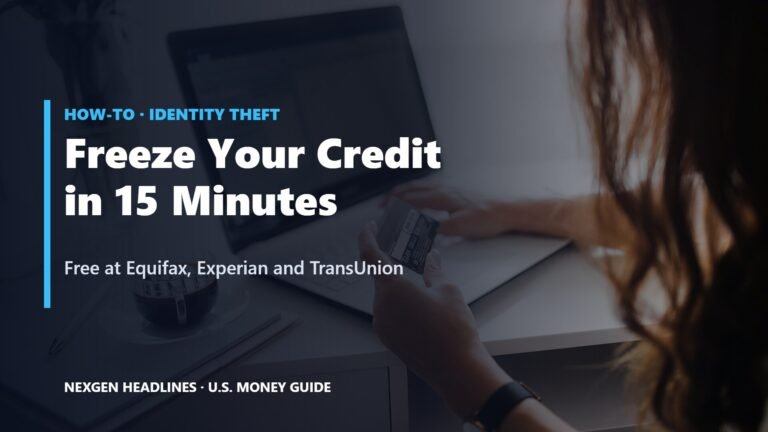
- Freeze your credit at Equifax, Experian and TransUnion.
- Pull your free reports at AnnualCreditReport.com every few months.
- Use USPS Informed Delivery to see your mail before it arrives.
- Get a locking mailbox if mail theft is common in your area.
What you need before you start
- Your full legal name, as it appears on your credit file
- Your current address, plus your previous address if you moved in the last two years
- Your date of birth
- Your Social Security number (optional on some steps, but it speeds up matching)
- A printer and a stamp, only if you choose the permanent option
The site asks for your SSN so the bureaus can match you to the right file. It never asks for a credit card or payment. If a site asks you to pay, close it.
Timeline: when the mail actually stops
| Time after you opt out | What to expect |
|---|---|
| About 5 days | Your request is processed by the bureaus |
| 2–4 weeks | Lenders stop getting your name on new lists |
| Up to 2 months | Offers from lists sold earlier finally stop |
| 5 years later | The online opt-out ends unless you renew or went permanent |
Helping an older parent or relative
Pre-approved offers can confuse seniors. Some look like bills or checks. Scammers also copy their design.
With your relative’s permission, sit with them and file the opt-out together. Use their information, not yours.
Then add their phone to DoNotCall.gov and set up a simple routine: shred offers once a week. Ask them to call you before replying to any “approved” letter.
Does opting out affect insurance quotes?
It stops prescreened insurance offers sent by mail. It does not change your rates or block quotes you ask for.
You can still shop for car or home insurance at any time. Insurers will check your record when you apply.
The short version
A five-minute, free request at OptOutPrescreen.com cuts most pre-approved credit card and insurance mail. Choose permanent if you never want them back.
Pair it with a credit freeze and regular report checks. That combination gives you strong, free protection against new-account fraud.
Who can opt out?
Any U.S. adult with a credit file can opt out. You do not need a reason, and there is no income or age rule.
If you have no credit file yet, you will not get prescreened offers anyway. That is common for young adults and recent immigrants.
Students, renters, retirees and veterans all use the same site and phone line. Military families who move often should opt out again after each move.
Can a company still send offers after I opt out?
Yes, in some cases. The opt-out only covers lists bought from the major credit bureaus.
A bank where you already have an account may still mail you offers. So can stores, charities and companies that bought your address elsewhere.
To cut those, contact each company directly and ask to be removed from marketing mail. Most have a privacy page or a phone option for this.
Frequently asked questions
Is OptOutPrescreen.com legit?
Yes. It’s the official website operated by the major credit bureaus, and the FTC points consumers to it.
How long does it take to stop pre-approved offers?
Requests are processed within about five days, but offers can keep arriving for several weeks.
Does opting out hurt my credit score?
No. It has no effect on your credit score.
Can I opt back in later?
Yes, online at OptOutPrescreen.com or by calling 1-888-567-8688.
Last reviewed: Oct. 16, 2026.
Sources: OptOutPrescreen.com, FTC: How to stop junk mail, DoNotCall.gov, CFPB.