
New World Screwworm
A Costly Pest Creates a New Crisis
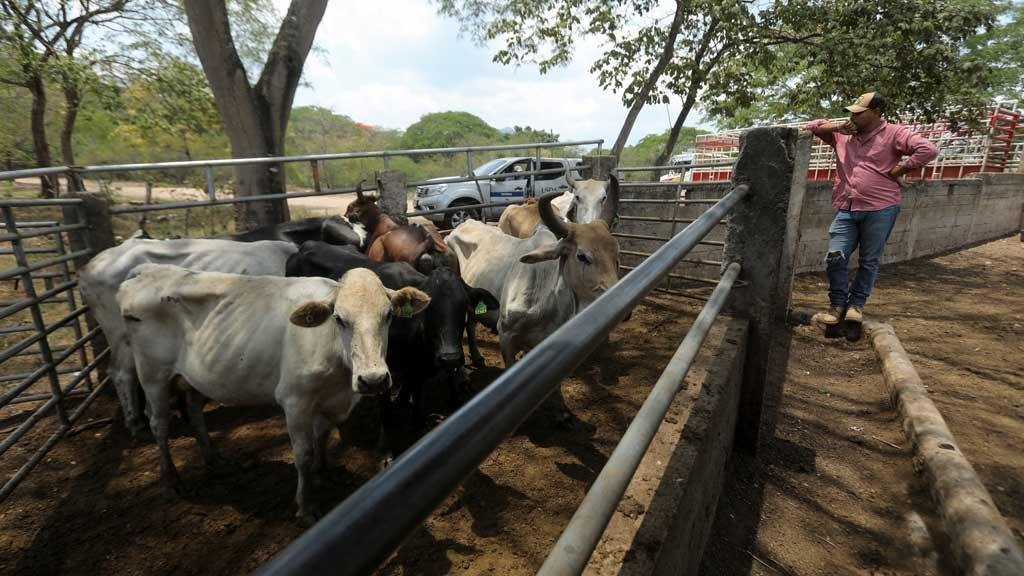
New World Screwworm has become a growing concern for ranchers in both the United States and Mexico, putting pressure on livestock producers, cattle markets and cross-border trade. The parasitic fly, whose larvae feed on living tissue, has forced authorities to tighten inspections and take aggressive steps to prevent the pest from spreading farther into North America.
- New World Screwworm
- A Costly Pest Creates a New Crisis
- Why Screwworm Is So Dangerous
- Mexican Ranchers Have Felt the Pressure
- American Ranchers Are Worried Too
- Trade Is Reopening — But Carefully
- Sterile Flies Offer a Powerful Weapon
- A Border Problem Needs a United Response
- Hope Remains, But the Fight Is Not Over
- Conclusion
The latest developments show both the economic damage caused by the outbreak and the difficult balance between protecting livestock and keeping an important cattle-trading relationship moving. After a lengthy suspension, the United States began a limited reopening of livestock trade through Douglas, Arizona, on August 24, with strict safeguards in place.
Why Screwworm Is So Dangerous
The New World Screwworm is not an ordinary livestock pest. Female flies lay eggs in wounds, and the larvae can burrow into living tissue, causing serious injuries and potentially killing untreated animals.
That makes early detection extremely important for ranchers. A small wound can become a much more serious infestation, creating additional veterinary expenses and threatening the health and value of an animal.
The parasite can affect cattle and other mammals, including wildlife. Its return to the United States after decades of absence has therefore created concern far beyond the cattle industry.
Mexican Ranchers Have Felt the Pressure
For ranchers in Mexico, the outbreak has brought both health risks and financial losses.
The outbreak began in Mexico in late 2024 and has spread widely. The resulting U.S. restrictions on Mexican cattle imports severely disrupted an industry that depends heavily on exports to American buyers. Mexican cattle exports had generated about $1.2 billion in the previous year, making the border restrictions a major economic blow.
Northern Mexican ranchers are now hoping that reopened trade will provide some relief. But exporting cattle is no longer as simple as loading animals onto trucks and sending them north. Producers must meet tighter inspection and identification requirements designed to reduce the risk of transporting infected animals.
American Ranchers Are Worried Too
The New World Screwworm is no longer only a problem on the Mexican side of the border.
The USDA is tracking confirmed detections in the United States, while Texas officials and ranchers are working to identify and contain new cases. The parasite has created concerns for livestock, wildlife and the broader agricultural economy.
American ranchers are also dealing with historically tight cattle supplies. That means trade disruptions can have effects beyond individual farms, potentially contributing to higher beef prices and greater pressure on cattle producers.
For many ranchers, the challenge is straightforward but serious: protect the herd without losing access to markets.
Trade Is Reopening — But Carefully
The August reopening of the Douglas, Arizona, crossing represents a hopeful step for the cattle industry. USDA officials are taking a phased approach rather than immediately returning to normal trade.
The Douglas port began with limited shipments, while officials assess the effectiveness of new safeguards. Every animal entering through the reopened route must undergo USDA inspection for signs of New World Screwworm. Additional ports could reopen later if the risk remains manageable.
The strategy reflects the competing needs of the two countries. Mexico needs access to U.S. buyers, while American producers and regulators want strong protection against another expansion of the pest.
Sterile Flies Offer a Powerful Weapon
One of the most important tools in the fight against New World Screwworm is the sterile insect technique.
The method involves releasing large numbers of sterilized male flies into affected areas. When those males mate with wild females, they do not produce viable offspring. Over time, the pest population can be pushed downward.
The United States and Mexico are expanding cooperation around this strategy. A new sterile-fly facility opened in Metapa, Mexico, in June, while the United States is developing additional production capacity. U.S. officials have also committed new funding to strengthen the response.
A Border Problem Needs a United Response
The biggest lesson from the outbreak is that New World Screwworm cannot be controlled by one country acting alone.
The pest moves through animals and wildlife, not political boundaries. Mexico has increased surveillance and sterile-fly releases, while U.S. agencies are strengthening inspections, case reporting and monitoring along the border.
Ranchers are also an essential part of the defense. Spotting suspicious wounds quickly and reporting potential infestations can help authorities respond before a local problem becomes a larger outbreak.
Hope Remains, But the Fight Is Not Over
The reopening of livestock trade gives ranchers on both sides of the border a reason for optimism, but it does not mean the New World Screwworm crisis has ended.
The combination of strict inspections, better cattle tracing, increased surveillance and sterile-fly technology offers a strong path forward. Success will depend on maintaining those efforts even after trade begins returning to normal.
For ranchers, the goal is more than reopening a border crossing. It is restoring confidence, protecting herds and rebuilding a stable livestock market.
The battle may be difficult, but cooperation between the United States and Mexico provides a powerful reason to believe the pest can eventually be pushed back.
Conclusion
New World Screwworm is squeezing ranchers on both sides of the border by threatening livestock health, disrupting cattle trade and increasing the cost of doing business. Mexico’s ranchers have faced serious export losses, while U.S. producers are confronting the risk of an invasive pest at a time when cattle supplies are already tight. The careful reopening of trade, combined with stronger inspections and sterile-fly programs, offers a promising path toward recovery. The road ahead will require patience and constant vigilance, but coordinated action can give ranchers something they urgently need: hope.
THANKS FOR READING
