Billions of dollars in forgotten money sit with U.S. states and federal agencies, waiting for their owners: old paychecks, security deposits, insurance payouts, bank accounts and uncashed refunds. NAUPA, the national association of state unclaimed property programs, has estimated that about one in seven Americans has unclaimed property. Searching is free and takes a few minutes. Here is where to look.
Check these 5 places
- MissingMoney.com: searches most states at once (free).
- Your state’s unclaimed property site: find it through Unclaimed.org.
- IRS: tax refunds you never filed for.
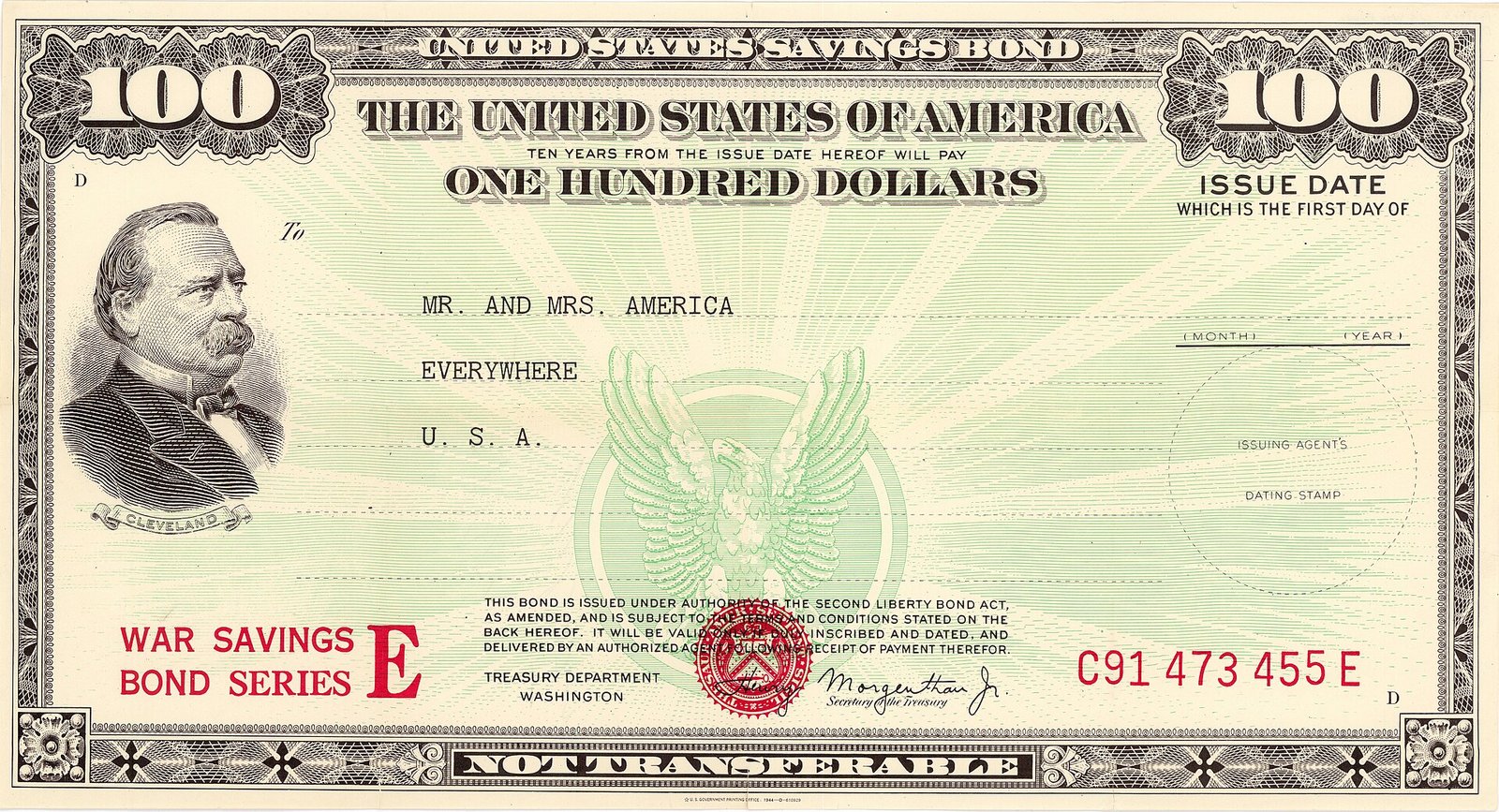
- TreasuryDirect “Treasury Hunt”: matured U.S. savings bonds.
- Other federal sources: HUD/FHA refunds, back wages and old pensions.
📱 Short on time? Swipe through the 1-minute Web Story version.

Step 1: Search every state you have lived in
- Go to MissingMoney.com, the free site backed by NAUPA and the National Association of State Treasurers.
- Search your current and past names (maiden names too) in every state where you have lived or worked.
- Also search for parents or relatives who have died: heirs can often claim.
- If you find a match, file the claim on the site. Each state sets its own proof rules, such as ID and proof of address.
- Some states are not fully covered by MissingMoney. Check each state’s own site through Unclaimed.org.
Step 2: Check federal money
| Where | What you might find |
|---|---|
| IRS (irs.gov) | Refunds if you didn’t file a return. You generally have 3 years from the original due date to file and claim it |
| TreasuryDirect: Treasury Hunt | Matured savings bonds and other Treasury securities |
| HUD (hud.gov) | Refunds on FHA-insured mortgages |
| Dept. of Labor: Workers Owed Wages | Back wages collected for workers |
| PBGC (pbgc.gov) | Unclaimed pension benefits from former employers |
What kinds of money end up unclaimed?
- Final paychecks you never received
- Closed or forgotten bank and credit union accounts
- Utility and rental security deposits
- Insurance payouts and refunds
- Uncashed checks, stock dividends and stocks
- Safe deposit box contents

⚠️ Searching and claiming is free. Be careful with “finders” or texts promising money for a fee: you can do it yourself on official sites. Never pay upfront, and never give your bank login to anyone offering to “release” funds.
How long does a claim take?
It depends on the state and the amount. Simple claims may be approved in a few weeks; larger or inherited claims that need extra documents can take months. Most states let you track the claim online. Search again every year: new property is reported regularly.
Frequently asked questions
Is MissingMoney.com legit?
Yes. It is the free, official multistate search run with NAUPA and the National Association of State Treasurers.
Does unclaimed money expire?
In most states, no: the state holds it until the owner or heir claims it.
Can I claim money for a family member who died?
Often yes, as an heir or estate representative, with documents such as a death certificate.
Do I have to pay taxes on unclaimed money?
It depends on the type of money (for example, interest or wages). Check with a tax professional.
Last reviewed: October 10, 2026. Rules and websites can change; always use the official links in this guide.