
Spanish Wildfires turned a river bed into a deadly escape route, claiming lives as flames spread rapidly. Here’s what happened, why the tragedy unfolded, and the lessons communities can learn.
The latest Spanish Wildfires have left communities grieving after several victims lost their lives while attempting to escape advancing flames through what authorities described as a dangerous river bed “trap.” The heartbreaking incident has become one of the most tragic moments of this year’s wildfire season, highlighting how quickly nature can turn familiar landscapes into deadly hazards.
As firefighters continue battling the blazes across affected regions, emergency officials are urging residents to follow evacuation orders immediately and avoid making last-minute escape decisions without guidance. The disaster serves as a powerful reminder that Spanish Wildfires are unpredictable, and even routes that appear safe can become life-threatening within minutes.
A Desperate Escape Ends in Tragedy
According to emergency responders, the victims attempted to flee the rapidly spreading wildfire by traveling through a dry river bed. At first glance, the route may have appeared to offer protection from the flames. Instead, it became a deadly trap.
Wildfires often create their own weather conditions. Strong winds, intense heat, and thick smoke can funnel through valleys and river channels, allowing flames to move far faster than many people expect. In this case, officials believe the fire spread with incredible speed, leaving those trying to escape with little opportunity to reach safety.
Rescue teams later discovered the victims after the fire had swept through the area. Their deaths have shocked local communities and prompted renewed calls for greater wildfire awareness.
Why River Beds Can Become Dangerous
Many people naturally assume that rivers or dry river channels provide a safe escape during a wildfire. However, wildfire experts warn that this assumption can be dangerously misleading.
River valleys often act like natural wind tunnels. As hot air rises, powerful gusts can carry flames, burning embers, and smoke through these narrow passages. Instead of slowing a wildfire, the terrain may actually accelerate its movement.
Dense smoke also reduces visibility, making it difficult for people to judge where the fire is heading. Combined with extreme heat and limited escape options, a river bed can quickly become a place with no safe exit.
Emergency planners say these natural features should never be considered reliable evacuation routes unless specifically approved by local authorities.
Firefighters Face an Enormous Challenge
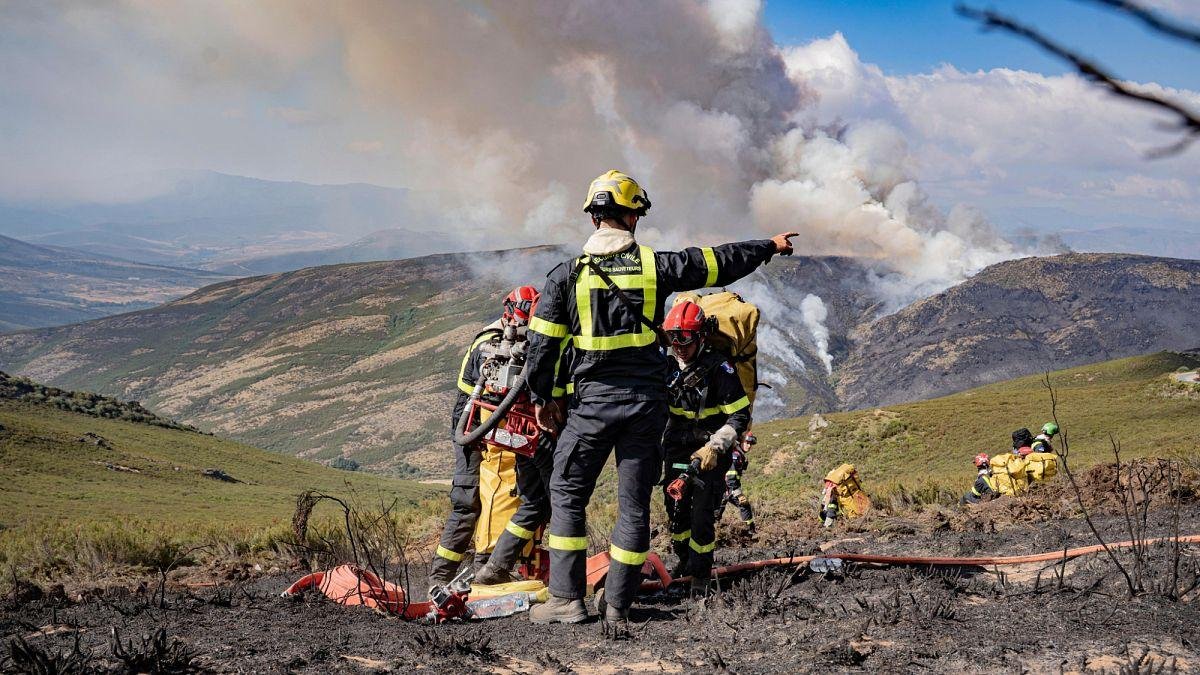
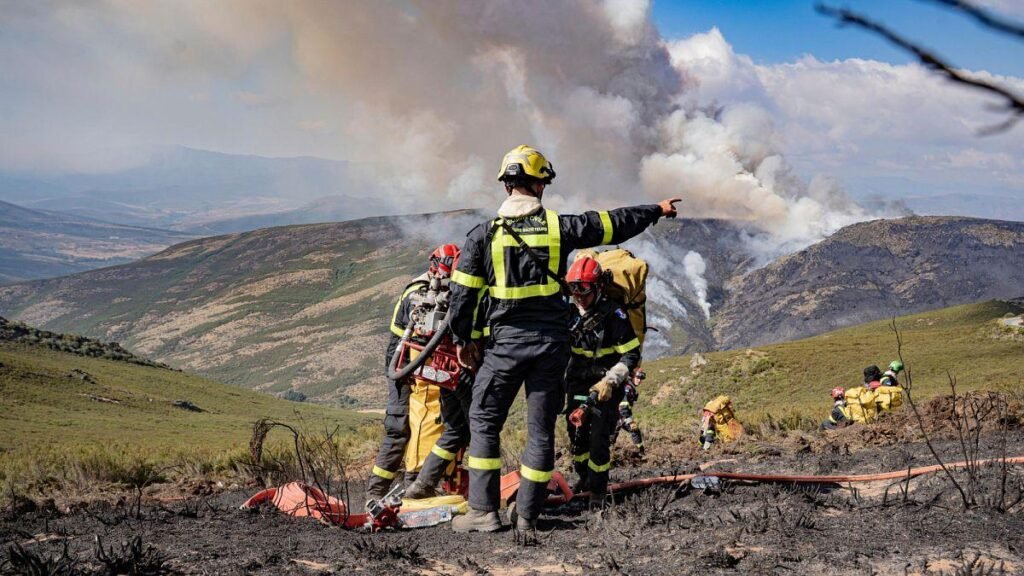
The ongoing Spanish Wildfires have forced hundreds of firefighters to work around the clock under extremely difficult conditions. Aircraft have dropped thousands of gallons of water while ground crews battle flames using bulldozers, fire engines, and hand tools.
Strong winds, dry vegetation, and soaring summer temperatures have complicated firefighting efforts. Even after flames appear under control, sudden wind shifts can reignite hotspots and threaten nearby communities.
Officials continue monitoring weather conditions carefully as crews work to contain remaining fire lines and protect homes, farms, and critical infrastructure.
Communities Rally Together
Despite the heartbreaking loss, local communities have shown remarkable resilience.
Emergency shelters have welcomed displaced families, while volunteers have provided food, water, clothing, and emotional support to those forced to evacuate. Local businesses have donated supplies, and neighbors have opened their homes to people who lost everything.
The response demonstrates how communities often come together during times of crisis. While recovery will take months or even years, acts of kindness continue to provide hope for families facing unimaginable loss.
The Growing Threat of Wildfire Seasons
Experts say wildfire seasons across southern Europe have become increasingly severe in recent years. Longer periods of drought, extreme heat, and dry vegetation create conditions that allow fires to spread rapidly.
Although investigators continue examining the exact cause of this particular wildfire, officials stress that preventing future tragedies requires preparation, early warning systems, and public cooperation.
Residents living in wildfire-prone areas are encouraged to:
- Follow evacuation orders immediately.
- Avoid unofficial escape routes.
- Keep emergency supplies ready.
- Stay informed through official emergency alerts.
- Leave early rather than waiting until flames are visible.
These simple precautions can make the difference between safety and disaster.
Lessons That Could Save Lives
The tragedy has reinforced an important lesson for emergency planners and the public alike. Natural features such as river beds, valleys, and ravines may appear to offer shelter, but during fast-moving wildfires they can become some of the most dangerous locations.
Authorities are expected to review evacuation procedures and public education campaigns following the incident. Improved communication, clearer evacuation maps, and increased public awareness could help prevent similar tragedies in the future.
Fire experts emphasize that the safest decision during any wildfire emergency is to follow official instructions rather than attempting to find an alternative escape route.
Looking Ahead
As firefighters continue containing the remaining Spanish Wildfires, families are mourning loved ones whose final moments were spent searching for safety. The heartbreaking loss has touched people across Spain and beyond, reminding the world of the destructive power of wildfires.
Recovery efforts will continue long after the flames are extinguished. Rebuilding homes, restoring forests, and supporting affected families will require patience and determination. Yet amid the devastation, communities are demonstrating resilience, compassion, and hope.
Summary
The Spanish Wildfires have claimed innocent lives after victims became trapped while trying to escape through a river bed that unexpectedly turned into a deadly passage. The tragedy underscores the importance of early evacuation, following emergency guidance, and understanding how wildfire behavior can transform ordinary landscapes into dangerous environments. As Spain begins the long process of recovery, the lessons learned from this disaster may help protect countless lives during future wildfire emergencies.
THANKS FOR READING