
Gyirong Port Disaster Leaves a Border Zone Almost Unrecognizable
Gyirong Port Disaster has turned one of the most important crossings between China and Nepal into a devastated landscape of mud, rocks and twisted remains.
Gyirong Port, located in China’s Tibet Autonomous Region near the Nepal border, was once a busy center for trade, tourism and religious travel. Now, much of the facility has been destroyed after a massive flood and debris surge swept through the area.
Recent reports said Chinese authorities had confirmed dozens of deaths while hundreds of people remained missing on the Chinese side. Rescue teams continued working through enormous piles of mud and debris in an effort to locate survivors and recover victims.
The scale of destruction has made the operation extraordinarily difficult.
Where there were once customs buildings, shops, roads and other facilities, rescuers are now facing a vast field of debris.
A Busy International Crossing Was Swept Away
Before the Gyirong Port Disaster, the area was an important transportation link between China and Nepal.
The crossing handled travelers, traders, workers and tourists moving between the two countries. It also became increasingly important for people traveling toward Mount Kailash, one of the region’s most important religious destinations.
The border zone contained a large customs facility, commercial buildings, travel services and a bridge connecting the two sides.
Much of that infrastructure was destroyed when the enormous surge of water and debris reached the area.
Recent images from the scene showed how dramatically the landscape had changed. Buildings had disappeared, roads were covered with rocks and mud, and familiar landmarks were difficult to recognize.
For people who had previously traveled through the area, the transformation was almost impossible to imagine.
What Triggered the Disaster?
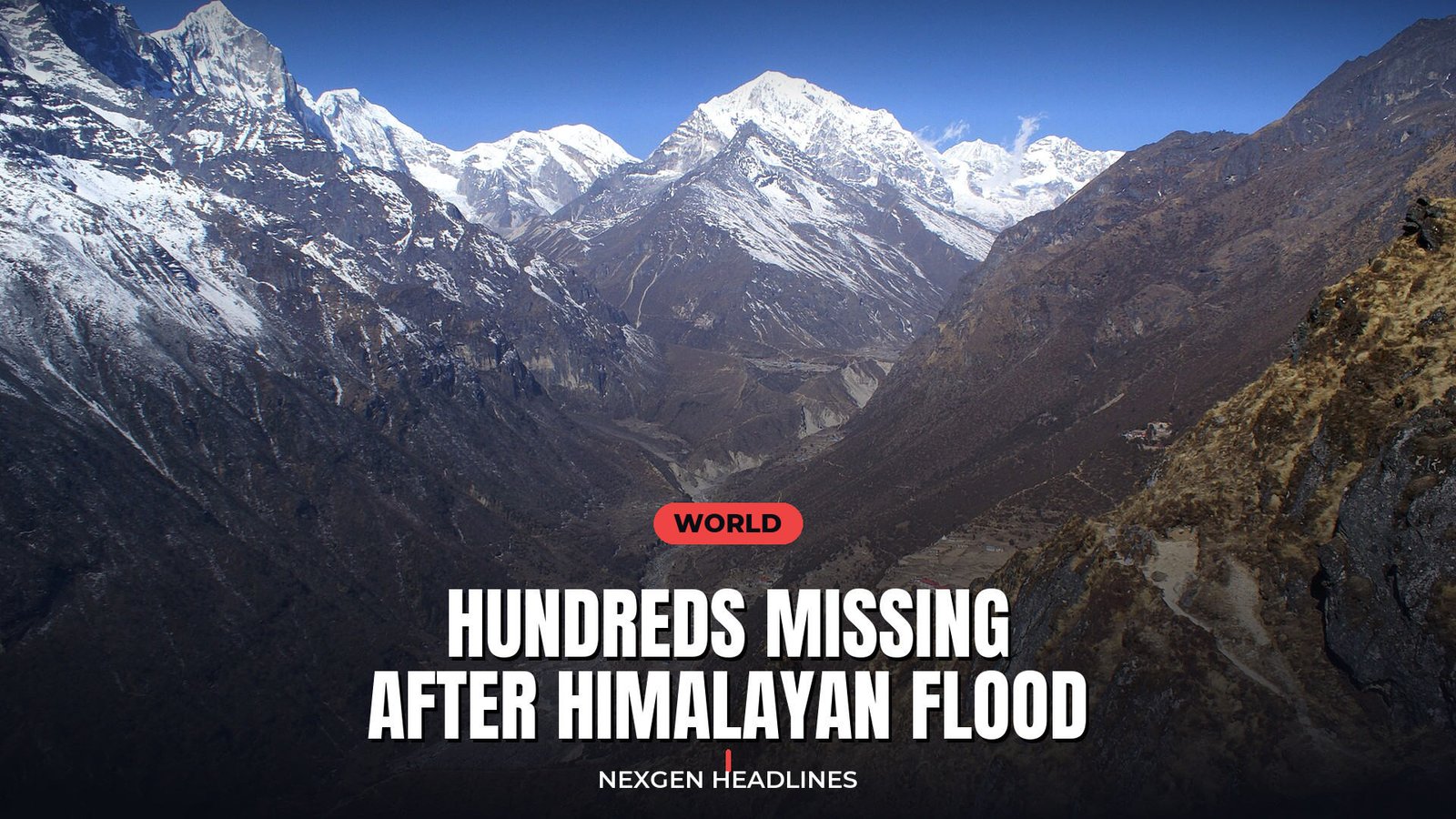
The Gyirong Port Disaster followed a major natural event in the Himalayan region.
A glacier-related collapse and subsequent surge of water and debris caused destruction along the border and downstream areas.
The Himalayan landscape is particularly vulnerable to sudden flooding because steep mountains, glaciers, unstable slopes and glacial lakes can produce enormous amounts of water and debris in a very short period.
Once the surge began moving downhill, there was little time for people near the border facilities to escape.
The force of the water carried rocks, mud and other material into populated areas.
The disaster also affected communities on the Nepalese side, making it an international humanitarian crisis rather than an isolated incident.
Hundreds of People Remain Missing
The most heartbreaking part of the Gyirong Port Disaster is the large number of people who remain unaccounted for.
Chinese authorities have reported hundreds missing from the affected area.
Many of those missing are believed to have been people working, traveling or staying near the border crossing when the disaster struck.
For families, the uncertainty is devastating.
A confirmed death, although painful, provides an answer. A missing-person case leaves relatives waiting and hoping for information.
Rescue workers therefore face enormous pressure to search as much of the affected area as possible.
But the destruction has made that task extremely challenging.
Rescue Teams Face Dangerous Conditions
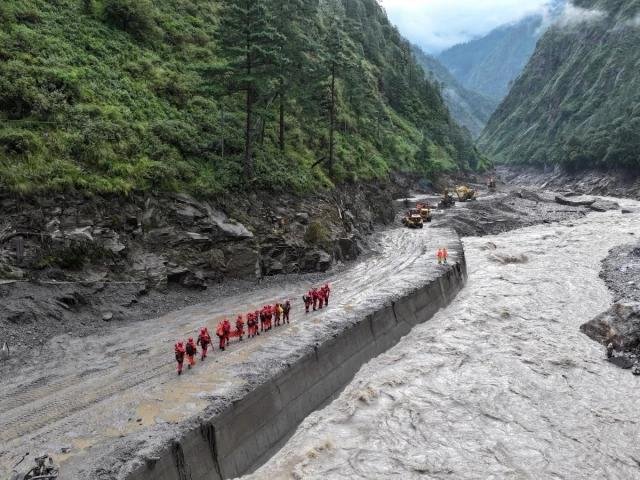
Emergency personnel have been working through difficult terrain to search for missing people.
Heavy machinery is being used to remove mud, rocks and damaged materials. Rescue teams are also using drones and other equipment to identify areas that may contain people or important evidence.
Military personnel and emergency workers have been deployed to assist with the operation.
However, rescuers themselves face significant dangers.
The Himalayan landscape remains unstable, and additional landslides can occur without much warning.
Roads have also been damaged, making it difficult to transport equipment and supplies into the region.
Every stage of the recovery effort therefore requires careful planning.
Identifying Victims Is Another Major Challenge
Finding victims is only one part of the recovery process.
Authorities must also identify people who have been recovered.
The destruction of buildings and personal belongings has made identification particularly difficult.
Rescue teams have reportedly collected personal items from the affected area that could help investigators determine who was present when the disaster occurred.
Officials may also use fingerprints, DNA testing and other identification methods when necessary.
For families waiting for news, even a small recovered item can become an important clue.
A passport, piece of jewelry, phone or other personal possession may help authorities establish what happened to someone who disappeared during the disaster.
Foreign Travelers Are Also Among Those Missing
The international nature of the border crossing has made the Gyirong Port Disaster especially concerning for foreign governments.
Gyirong is an important route for international travelers entering Tibet from Nepal.
Indian travelers have frequently used the region while visiting Mount Kailash and other destinations.
As a result, foreign nationals were among the people affected by the disaster.
Governments and diplomatic representatives have been working to establish whether their citizens were present in the affected area.
For families living outside China and Nepal, receiving reliable information can be particularly difficult.
They may be thousands of miles away from the disaster zone and dependent on government officials for updates.
Questions About Information and Transparency
The Gyirong Port Disaster has also raised questions about how information from the affected area is being released.
Chinese authorities have provided updates about casualties and rescue efforts, but access for independent journalists has been more restricted.
That has made it difficult for international media organizations and families to independently verify some details.
In Nepal, journalists have been able to report from several affected communities and document the destruction more directly.
The difference has created an information gap.
For families searching for missing relatives, accurate and timely information is essential.
Authorities on both sides of the border face growing pressure to provide clear updates as the rescue operation continues.
The Disaster Highlights Growing Himalayan Risks
The Gyirong Port Disaster has also renewed attention on the dangers facing communities in the Himalayas.
Climate change is increasing concern about glacier retreat, unstable mountain slopes and glacial lakes.
Scientists have warned that changes in high-altitude environments can increase the risk of sudden flooding and other natural disasters.
That does not mean every glacier-related event is directly caused by climate change.
However, the changing Himalayan environment is making monitoring and early-warning systems increasingly important.
The disaster demonstrates how a natural event in an extremely remote mountain region can quickly affect thousands of people across an international border.
Gyirong Port Was More Than a Border Gate
The destruction of Gyirong Port Disaster is significant because the location was much more than a simple checkpoint.
It was a commercial connection between China and Nepal.
Trucks used the route to transport goods. Tourists passed through the area. Businesses depended on cross-border traffic.
Religious pilgrims also relied on the route while traveling toward important sites in Tibet.
The destruction has therefore created economic and transportation problems in addition to the humanitarian crisis.
Rebuilding the area could take considerable time.
Authorities will also have to consider whether new infrastructure should be designed differently to protect travelers and workers from future natural disasters.
A Long Recovery Lies Ahead
Even after the search for missing people eventually ends, the consequences of the Gyirong Port Disaster will continue.
Roads will need to be rebuilt.
Buildings and border facilities will need to be reconstructed.
Families will need answers.
Businesses will have to recover from the interruption to transportation.
Most importantly, authorities will need to examine what lessons can be learned from the catastrophe.
Better glacier monitoring, stronger early-warning systems and improved communication between China and Nepal could potentially help reduce the impact of future disasters.
For Families, the Search Is Still Personal
Behind every number in the Gyirong Port Disaster are individual people.
There are parents waiting for children.
There are spouses waiting for partners.
There are friends hoping that someone they know will be found alive.
And there are rescue workers continuing to search despite exhausting and dangerous conditions.
The enormous scale of the disaster can sometimes make individual stories disappear behind casualty figures.
But for families, those numbers represent real people whose lives changed in a matter of minutes.
That is why the search remains so important.
A Border Landscape Changed Forever
The Gyirong Port Disaster has fundamentally changed the landscape along the China-Nepal border.
A place that once represented movement, commerce and connection has become a symbol of the extraordinary power of nature.
Hundreds of people remain missing, and rescue teams continue searching through the debris.
The full impact of the disaster will become clearer as authorities identify victims, assess the damage and investigate the circumstances surrounding the flooding.
For now, the priority remains clear: find the missing, support survivors and provide families with answers.
The road to rebuilding Gyirong Port Disaster may be long.
But the first step is completing the search for those who have not yet been found.
THANKS FOR READING