
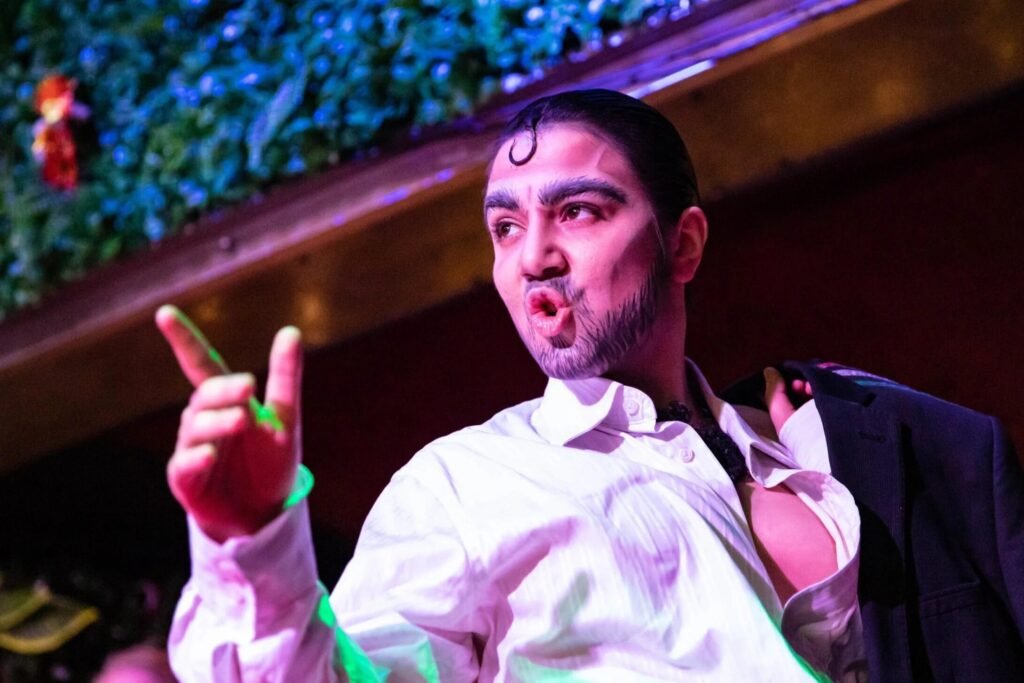
Drag Kings of England
A Growing Performance Scene Finds Its Voice
Drag Kings of England are turning humor, performance and exaggerated masculinity into a powerful form of creative expression. In Ramsgate, a seaside town on England’s southeast coast, a growing community of performers is using drag to explore everything from gender and identity to class, power and everyday experiences.
- Drag Kings of England
- A Growing Performance Scene Finds Its Voice
- Meet Pat Riarchy
- A Surprising Home for Drag
- Turning Everyday Men Into Characters
- Comedy Becomes a Form of Conversation
- Learning to Take Up Space
- A Community Beyond the Stage
- The Drag King Scene Is Growing
- Why Their Story Matters
- A Powerful Future for the Kings
- Conclusion
The scene may not have the same mainstream recognition as drag queens, but Britain’s drag king community is growing. Recent reporting from CNN found that the UK scene numbers in the hundreds, with performers creating characters inspired by the men and masculine behavior they encounter in everyday life.
Meet Pat Riarchy
One of the most memorable performers is Trudi Jackson, who transforms into her drag king character, Pat Riarchy.
Jackson, an actor and performance coach, uses Pat as an exaggerated version of masculinity. The character can be boastful, sexist and deliberately uncomfortable, resembling an old-fashioned male stereotype pushed to comic extremes.
For Jackson, the performance is also personal. She has described Pat as a way of exploring what it was like to grow up around forms of masculinity that she experienced as toxic. Instead of simply criticizing those behaviors, she turns them into comedy and invites audiences to think about why they exist.
That combination of humor and social commentary is at the heart of the Drag Kings of England movement.
A Surprising Home for Drag
Ramsgate might not be the first place people associate with experimental queer performance.
The coastal town has areas affected by economic deprivation and has also experienced the rise of more conservative and populist politics. Yet behind a barber shop, Screaming Alley provides a creative space where performers can experiment with characters, costumes and ideas.
Its Alley Bar hosts cabaret performances and workshops, including classes where aspiring drag kings learn about masculinity, movement, makeup and character development. Participants work on their personas before eventually performing for a live audience.
The contrast is striking: a traditional English seaside setting has become a home for a creative community challenging traditional ideas about gender.
Turning Everyday Men Into Characters
The Drag Kings of England are not simply copying famous male celebrities.
Many performers build their characters from ordinary men they have encountered throughout their lives.
One performer created a character based on a doctor who dismissed her concerns about menopause treatment. Her fictional doctor, Dr. Eustace Hunt, exaggerates the stereotype of a privileged older man who takes male health concerns more seriously than women’s concerns.
Another performer created a character based on a quiet, socially awkward man who spends much of his time with his mother.
These characters can be funny, ridiculous and uncomfortable at the same time. More importantly, they allow performers to examine behaviors that might otherwise be difficult to discuss openly.
Comedy Becomes a Form of Conversation
For many performers, comedy provides a way to discuss serious subjects without turning every performance into a political lecture.
Lara Clifton, co-director of Screaming Alley, has described the goal as creating space for people to play, laugh and spend time together rather than telling audiences what they should believe.
That approach may be especially significant in communities where conversations about gender and identity can quickly become polarized.
A drag king can walk onto a stage wearing an exaggerated mustache, a football shirt or an absurd costume and make the audience laugh. Beneath the joke, however, there may be a question about who gets to take up space, who is expected to behave a certain way and how society teaches people what masculinity should look like.
Learning to Take Up Space
The physical transformation is another important part of the experience.
Participants in Jackson’s workshops learn how to change their posture, movement and voice. Some performers say they notice an immediate difference when they inhabit their masculine characters.
They stand differently. They walk differently. They occupy more physical space.
One performer explained that society often gives men greater permission to take up space. Drag allows the performers to exaggerate that privilege and experience it from another perspective.
That can make the performance both entertaining and surprisingly revealing.
A Community Beyond the Stage
The Drag Kings of England movement is also about community.
The people taking part in these workshops have ordinary jobs and responsibilities. Some work as teachers, carers or other professionals. When they enter the performance space, however, they become entirely different characters.
That transformation creates a sense of freedom.
Participants have described enjoying the chance to be silly, dance and perform without feeling judged. For some, finding a group of people who share their interests can be just as important as performing itself.
The friendships and creative relationships formed through these events help keep the local scene alive.
The Drag King Scene Is Growing
The popularity of drag kings is not limited to Ramsgate.
Across the UK, drag king shows, workshops and cabaret events continue to appear in cities and smaller communities. Current event listings include drag king performances in London and other parts of the country, suggesting that audiences have an increasing appetite for this form of entertainment.
The growing visibility also gives new performers more opportunities to experiment and develop their own styles.
Some kings focus on comedy. Others emphasize music, dance, political commentary or theatrical storytelling. There is no single formula.
Why Their Story Matters
The most interesting thing about the Drag Kings of England may be that the performances challenge simple ideas about masculinity.
A drag king can celebrate masculinity, mock it, exaggerate it or expose its contradictions. The same character can be hilarious in one moment and thought-provoking in the next.
That flexibility makes drag a powerful form of performance art.
It reminds audiences that masculinity is not necessarily one fixed thing. People learn it, perform it and interpret it differently depending on culture, class, age and personal experience.
A Powerful Future for the Kings
As more audiences discover drag kings, performers in places such as Ramsgate are proving that the art form has plenty of room to grow.
The movement does not need to compete with drag queens. It has developed its own language, humor and identity.
For the performers themselves, the stage offers something even more valuable: a chance to transform uncomfortable experiences into comedy, turn stereotypes into characters and find community through creativity.
Conclusion
The Drag Kings of England are building a bold and increasingly visible cultural movement through comedy, performance and exaggerated masculinity. In Ramsgate, performers are showing how drag can create conversations about gender, class, identity and power while still being entertaining and joyful. What may look like a simple costume and stage performance can become something much deeper—a creative way to question social expectations, connect with others and see familiar ideas from a completely different angle.
THANKS FOR READING
