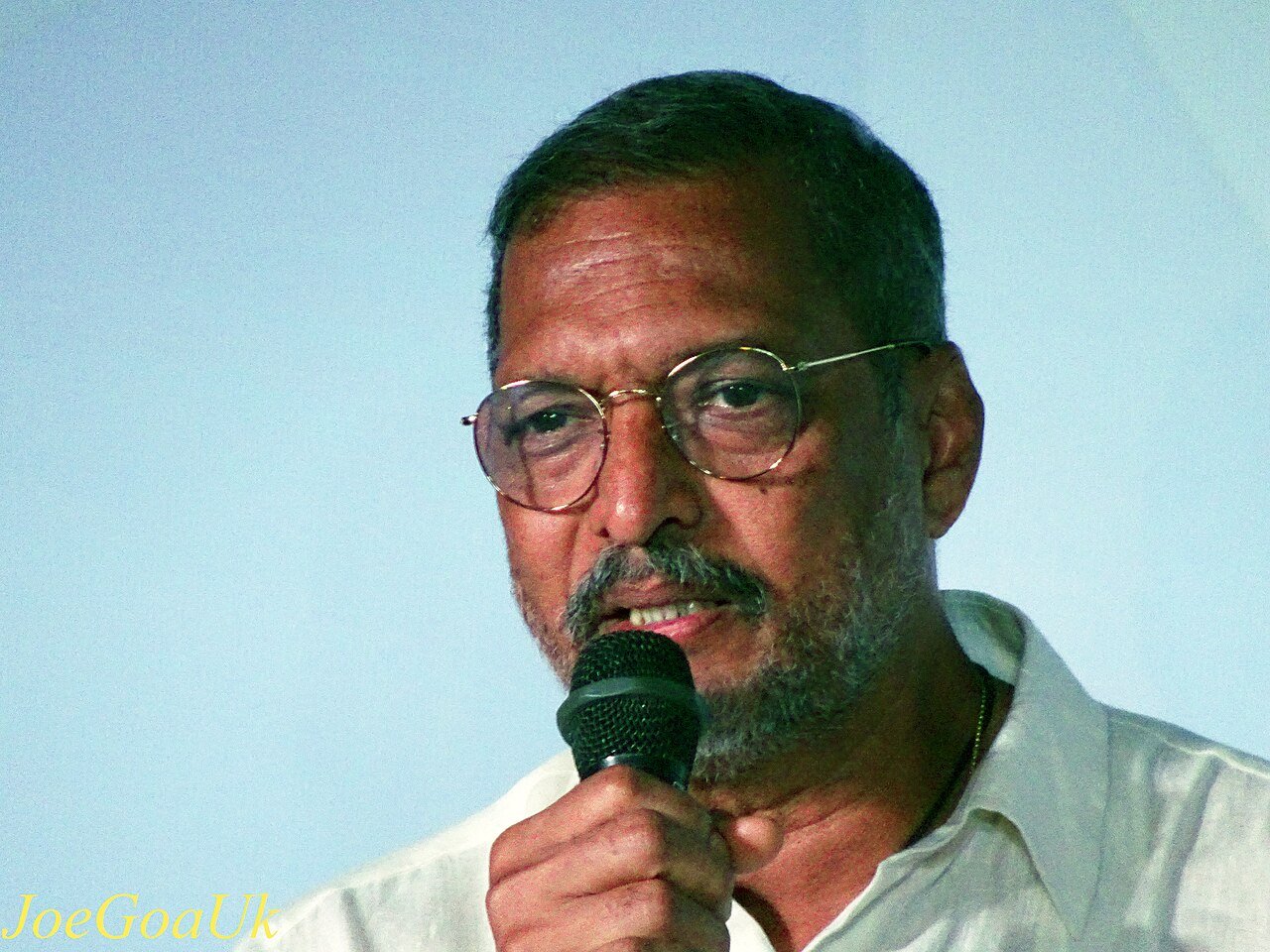

Nana Patekar, the actor whose clipped, rapid-fire delivery and simmering intensity made him one of the most distinctive performers in Indian cinema, died on Thursday, October 8, 2026, in Goa. He was 75.
According to reports by India Today and News18, citing ANI and information shared by his son Malhar Patekar, the actor complained of severe chest pain at his flat in Goa early on Thursday morning. A medical team sent to his home found him unresponsive and began cardiac massage before rushing him to Manipal Hospital in Dona Paula. Doctors there tried to revive him for around 45 minutes but he was declared dead at 5:20 am. The cause was given as cardiac arrest; a medico-legal case was registered and a post-mortem was scheduled.
Just four days earlier, on October 4, he had addressed an installation ceremony of the Samraat Club International in Dona Paula — a video of that appearance, now his last in public, has been widely shared since the news broke. The Maharashtra government has announced a state funeral in recognition of his contribution to Marathi theatre and to Hindi and Marathi cinema.
| Nana Patekar: Key Facts | |
|---|---|
| Real name | Vishwanath Patekar |
| Born | 1 January 1951, Murud-Janjira, Raigad district, Maharashtra |
| Died | 8 October 2026, Dona Paula, Goa (aged 75) |
| Education | Sir J.J. Institute of Applied Art, Mumbai |
| Film debut | Gaman (1978) |
| Directorial debut | Prahaar: The Final Attack (1991) |
| Major honours | Padma Shri (2013); 3 National Film Awards; 4 Filmfare Awards |
| Family | Wife Neelkanti; sons Malhar and the late Durvasa |
From Murud-Janjira to the Marathi Stage
Born Vishwanath Patekar on January 1, 1951, in the coastal town of Murud-Janjira in Maharashtra’s Raigad district, he grew up far from the glamour he would later shrug off with such disdain. He trained as a commercial artist at the Sir J.J. Institute of Applied Art in Mumbai, but it was the theatre that claimed him. Patekar later recalled that his father loved plays and would encourage him to watch them — the beginning of a lifelong devotion to performance. His first play was directed by the celebrated Vijaya Mehta, and the discipline of the Marathi stage would shape his craft for the next five decades.
His father died of a heart attack when Nana was 28. He remained deeply attached to his mother, Nirmala Patekar, who lived with him until her death in January 2019 at the age of 99.
A Slow-Burn Start in Cinema
Patekar made his screen debut in Muzaffar Ali’s Gaman (1978) and spent much of the following decade alternating between Marathi films and small Hindi roles. Recognition came with Mira Nair’s Salaam Bombay! (1988), the Academy Award-nominated drama about street children in Mumbai, in which he played the menacing Baba.
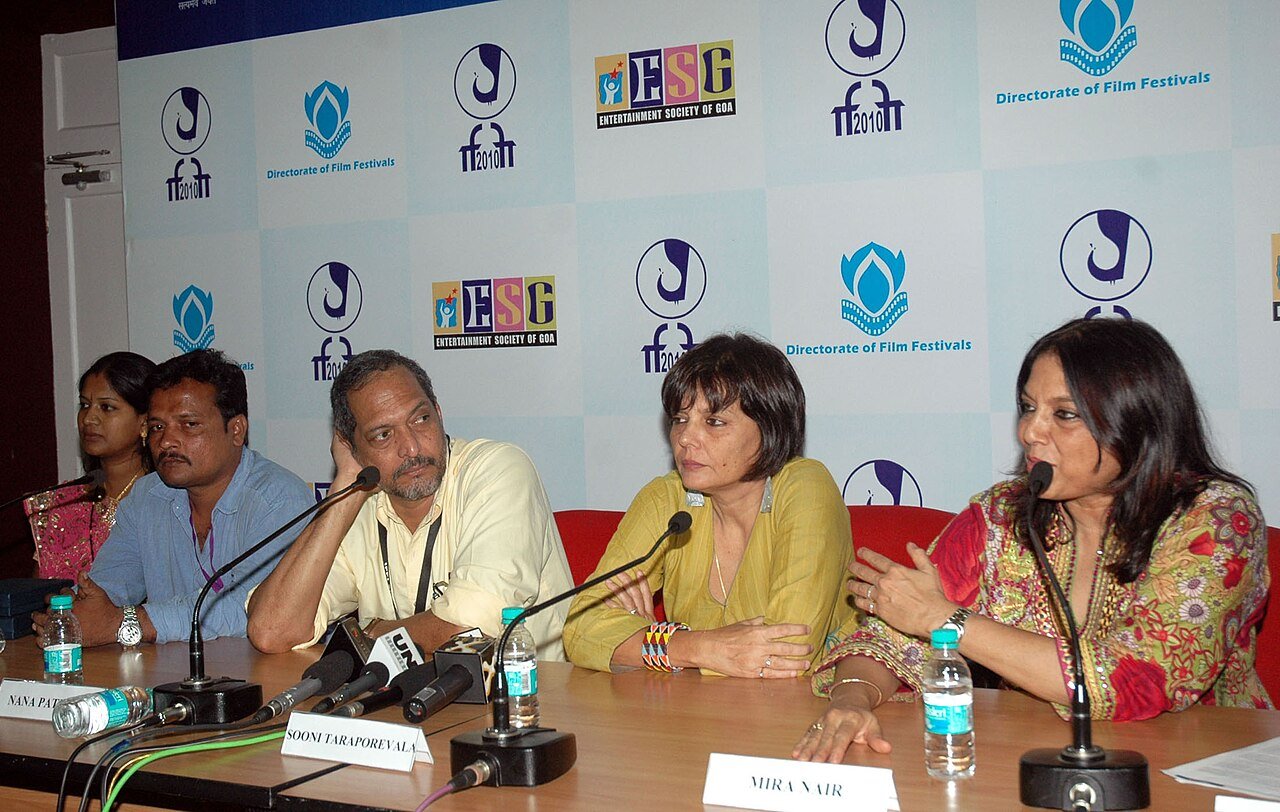
A year later came the role that changed everything. As the ruthless gangster Anna Seth in Vidhu Vinod Chopra’s Parinda (1989), Patekar created one of Hindi cinema’s most chilling villains — and won both the National Film Award and the Filmfare Award for Best Supporting Actor.
The Soldier Who Directed Prahaar
In 1991 he made his only directorial feature, Prahaar: The Final Attack, an uncompromising film about a commando who returns to civilian life and confronts its rot. To prepare, Patekar underwent nearly three years of army training, working with V.K. Singh — then a lieutenant colonel, later Army chief — who also appeared in the film.
His bond with the armed forces was not a film-set affectation. Patekar was commissioned into the Territorial Army as a captain in 1988 and served with the Maratha Light Infantry during the 1999 Kargil War. He retired from the Territorial Army in 2013 with the honorary rank of lieutenant colonel.
The 1990s: Krantiveer and an Unmatched Run
The 1990s turned Patekar into a star on his own terms. He won the Filmfare Award for Best Villain for Angaar (1992), held his own opposite Raaj Kumar in Tirangaa (1993), and charmed audiences in Raju Ban Gaya Gentleman (1992).
Then came Mehul Kumar’s Krantiveer (1994). His performance as Pratap — a drifter jolted into conscience — and its fiery courtroom monologue became part of popular culture, earning him the National Film Award for Best Actor and the Filmfare Award for Best Actor. Two years later he won his second National Film Award for Best Supporting Actor for Agni Sakshi (1996), and showed a rarely seen tenderness as a deaf father in Sanjay Leela Bhansali’s Khamoshi: The Musical (1996).

Reinvention in the 2000s
Where many stars of his generation faded, Patekar reinvented himself. He played the encounter specialist Sadhu Agashe in Ab Tak Chhappan (2004), a performance still cited as a benchmark for the Indian police drama, and won his second Filmfare Best Villain award as a cunning politician in Prakash Jha’s Apaharan (2005). Shakti: The Power (2002) and Taxi No. 9211 (2006) further showed his range.
In 2007 he surprised everyone with comedy. As the soft-hearted gangster Uday Shetty in Anees Bazmee’s Welcome, opposite Anil Kapoor and Akshay Kumar, he became a meme-generation favourite long before memes ruled the internet — a role he reprised in Welcome Back (2015). In between came Prakash Jha’s political epic Raajneeti (2010).
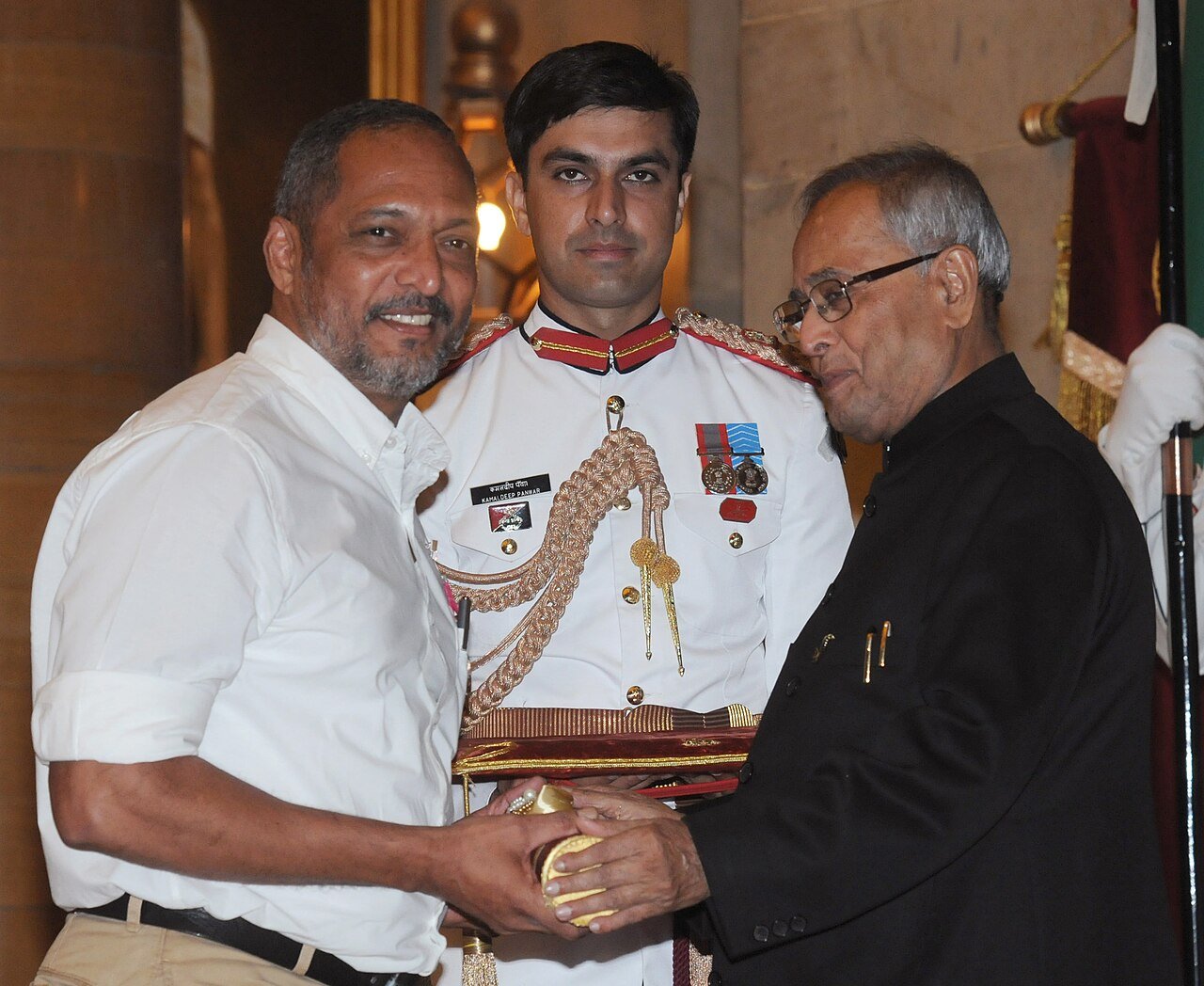
In 2013 the Government of India awarded him the Padma Shri, the country’s fourth-highest civilian honour, presented by President Pranab Mukherjee at Rashtrapati Bhavan.
Natsamrat and a Marathi Homecoming
Patekar never abandoned Marathi cinema. He played the social worker in Dr. Prakash Baba Amte – The Real Hero (2014), and in 2016 delivered what many consider his finest late-career performance: Ganpatrao “Appa” Belwalkar, a celebrated stage actor undone by old age and family betrayal, in Mahesh Manjrekar’s Natsamrat. The film was a major critical and commercial success. Both roles won him the Filmfare Award for Best Actor – Marathi.
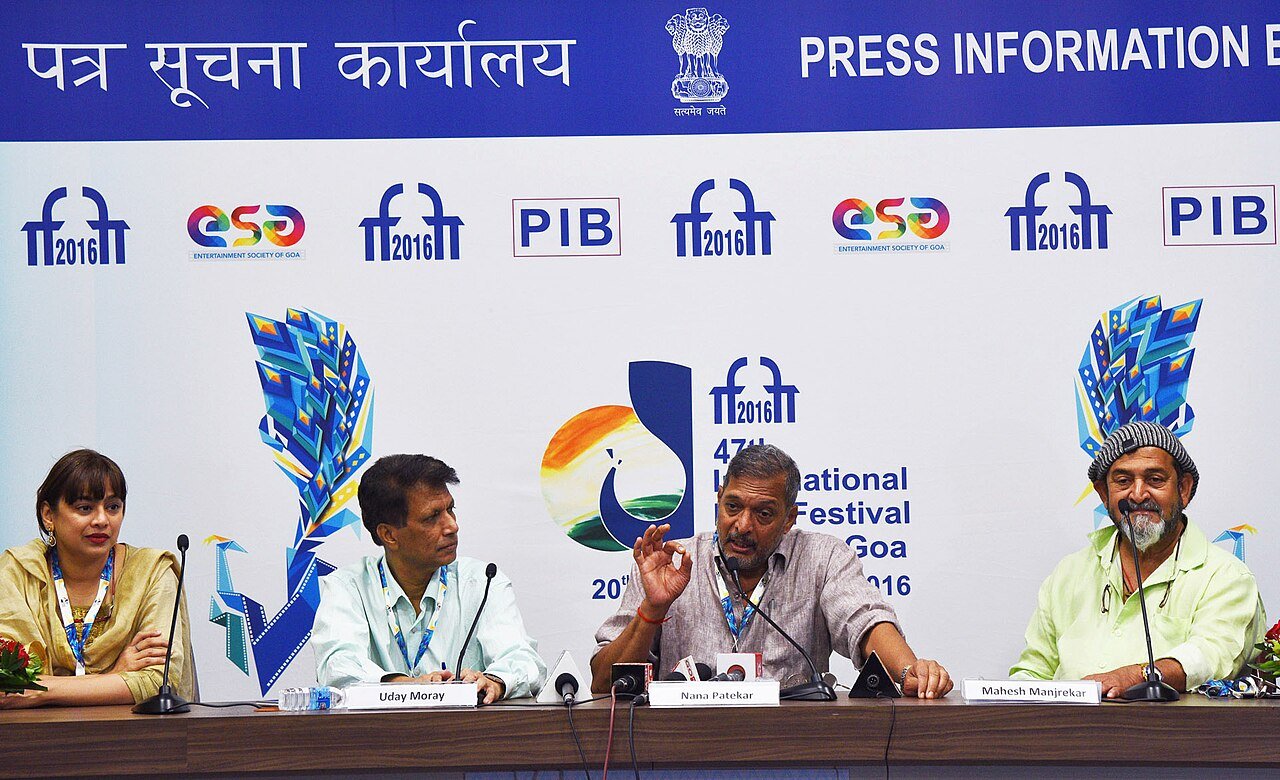
The same year, Hindi-speaking audiences heard his unmistakable growl as Shere Khan in the Hindi version of Disney’s The Jungle Book (2016). He later appeared opposite Rajinikanth in the Tamil film Kaala (2018).
Awards and Honours
| Year | Award | Film / Category |
|---|---|---|
| 1990 | National Film Award — Best Supporting Actor | Parinda |
| 1990 | Filmfare Award — Best Supporting Actor | Parinda |
| 1993 | Filmfare Award — Best Villain | Angaar |
| 1995 | National Film Award — Best Actor | Krantiveer |
| 1995 | Filmfare Award — Best Actor | Krantiveer |
| 1997 | National Film Award — Best Supporting Actor | Agni Sakshi |
| 2006 | Filmfare Award — Best Villain | Apaharan |
| 2013 | Padma Shri | Government of India |
| 2013 | Raj Kapoor Special Contribution Award | Government of Maharashtra |
| Marathi | Filmfare Award — Best Actor (Marathi) | Dr. Prakash Baba Amte; Natsamrat |
NAAM Foundation: The Farmer’s Friend
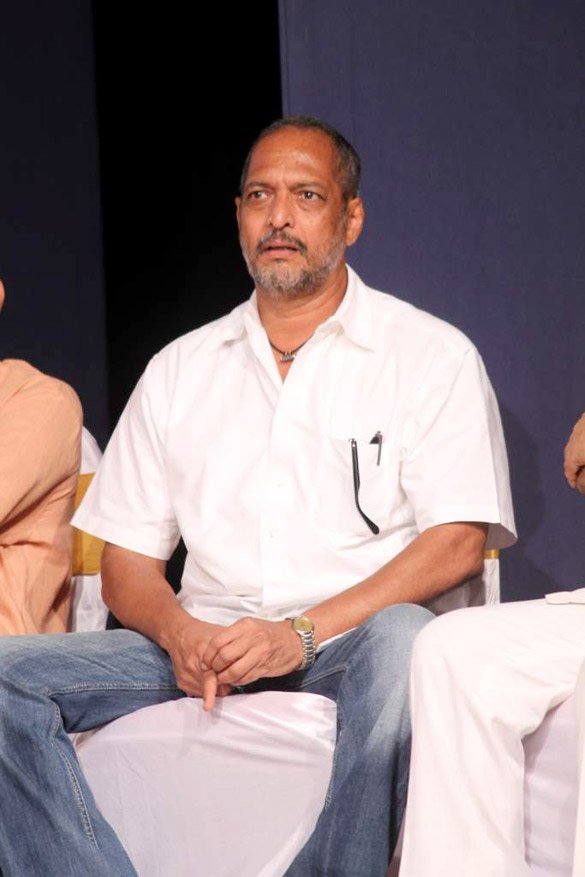
Off screen, Patekar was known for a strikingly simple life — and for his generosity. In 2015, as drought devastated Marathwada and Vidarbha, he began personally visiting the families of farmers who had died by suicide, handing each ₹15,000. In September 2015 he and actor Makarand Anaspure formalised the effort as the NAAM Foundation, which went on to fund water conservation and relief work across rural Maharashtra.
He also donated the ₹10 lakh prize money from the Raj Kapoor Award to drought relief and reportedly gave his entire fee for Paathshaala (2010) to charity.
Controversy
In 2018, actor Tanushree Dutta accused Patekar of harassing her on the set of Horn ‘Ok’ Pleassss in 2008. Her allegations helped spark India’s #MeToo movement, and an FIR was registered in October 2018. Patekar denied the allegations. In June 2019, Mumbai Police filed a “B-summary” closure report saying it had found insufficient evidence to proceed. He stepped away from Housefull 4 amid the controversy.
Family and Private Life
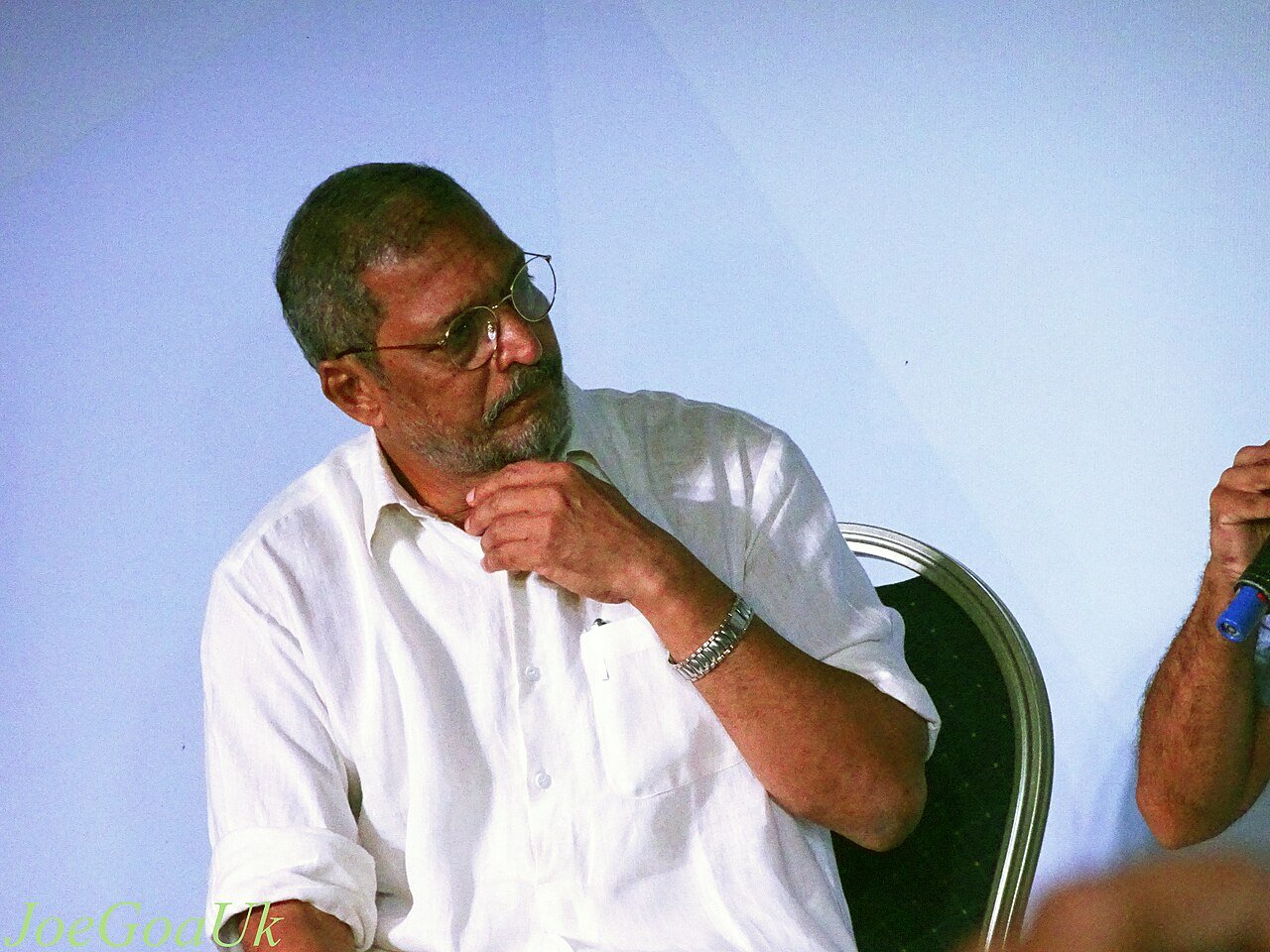
Patekar married Neelkanti, a banker, in 1978. The couple had two sons: Durvasa, who died at the age of two after an illness — a loss Patekar spoke about with raw honesty in later interviews — and Malhar, who survives him. Though the couple later lived separately, they never divorced. A former chain-smoker, he quit at 56 and was known for his fitness, his love of cooking for friends, and the farmhouse near Pune where he preferred to spend his time.
The Final Years
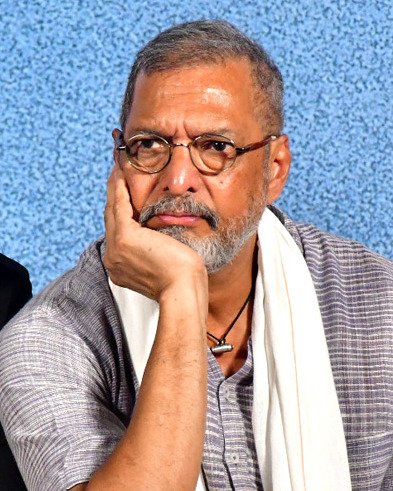
Patekar remained in demand well into his seventies. He played a scientist in Vivek Agnihotri’s The Vaccine War (2023), led Anil Sharma’s family drama Vanvaas (2024), reunited with Akshay Kumar in Housefull 5 (2025), and was last seen on screen in Vishal Bhardwaj’s O’ Romeo, released in February 2026.
Tributes Pour In
Few actors possessed the intensity, individuality and unmistakable presence that Shri Nana Patekar Ji had.
— Prime Minister Narendra Modi, on X
President Droupadi Murmu said she was deeply saddened, calling his passing a great loss to Indian cinema and praising both his evocative performances and his commitment to the underprivileged. Prime Minister Modi also noted that Patekar was admired for his frank and forthright views.
From the film world, Akshay Kumar recalled working with him on Welcome and, more recently, Housefull 5, describing him as one of a kind. Paresh Rawal hailed his honesty and intensity, Jr NTR said his performances felt like life unfolding on screen, and Prakash Raj remembered their long conversations, arguments and the food Patekar cooked for him. A shaken Ram Gopal Varma said he could not believe a man so strong could be gone so suddenly.
Legacy
Nana Patekar never fitted the mould of a Bollywood hero — and never tried to. He was blunt in interviews, uninterested in stardom’s trappings, and fiercely loyal to the stage, the soldier and the farmer. On screen, from Anna Seth to Uday Shetty to Appa Belwalkar, he gave Indian cinema characters that audiences quote to this day. Off screen, he gave something rarer: proof that a film star could choose a life of simplicity and service.
He is survived by his wife Neelkanti and son Malhar.
Sources: India Today, News18, ANI, and public statements by the President of India and the Prime Minister. Photographs via Wikimedia Commons under the licences noted in each caption.