
✍️ Written by Saroj Mali
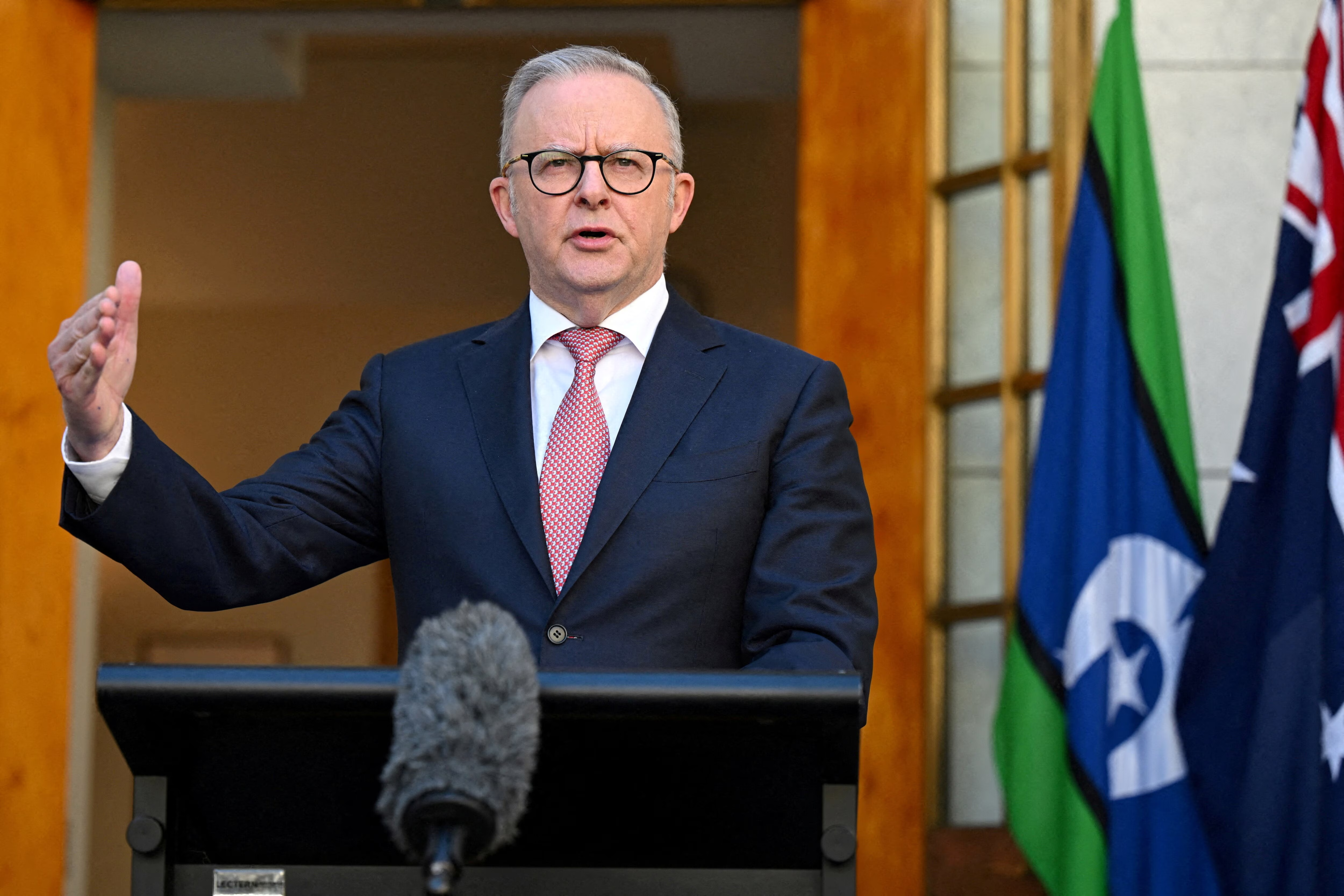
Prime Minister Anthony Albanese calls for responsible fuel consumption as supply concerns grow and households brace for impact
Australia is stepping into a challenging period as concerns over fuel supply tighten across the country. Prime Minister Anthony Albanese has issued a strong yet practical message to citizens—reduce fuel usage wherever possible and prepare for a few difficult months ahead.
The warning comes amid rising global oil pressures, supply chain disruptions, and increasing demand, all of which are beginning to impact Australia’s energy stability. While the situation is not yet at crisis levels, officials are urging early action to prevent deeper disruption.
Why Australia Is Facing Fuel Pressure
At the core of the issue is a combination of global and domestic challenges. International oil markets have become increasingly unpredictable, largely due to geopolitical tensions and production cuts. This has made fuel imports more expensive and less reliable.
Australia, which relies heavily on imported fuel, is particularly vulnerable. With limited domestic refining capacity, the country has less buffer when global supply tightens. As a result, even minor disruptions can lead to noticeable price increases and supply concerns.
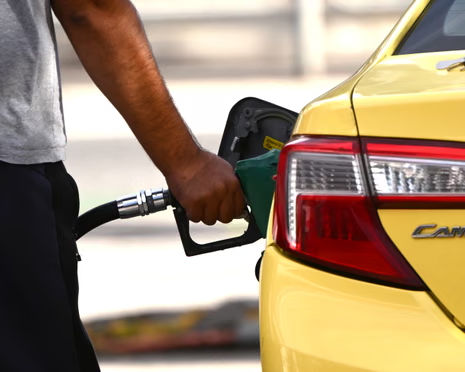
Government’s Call: Small Changes, Big Impact
Prime Minister Albanese has emphasized that this is not a moment for panic—but for smart action. He is encouraging Australians to make small but meaningful changes in their daily routines.
This includes:
- Using public transportation instead of private vehicles
- Reducing unnecessary travel
- Carpooling when possible
- Conserving fuel in business operations
According to officials, if households and businesses collectively cut back even slightly, it could significantly ease pressure on fuel demand across the country.
Economic Impact on Households and Businesses
Fuel prices have already begun creeping upward, affecting both consumers and industries. For everyday Australians, this means higher commuting costs and increased expenses for essential goods, as transportation becomes more expensive.
Businesses, especially those in logistics, agriculture, and retail, are expected to feel the strain the most. Rising fuel costs often lead to higher product prices, which can contribute to broader inflation.
Experts warn that if the situation continues, it could slow down economic momentum and reduce consumer spending in the coming months.
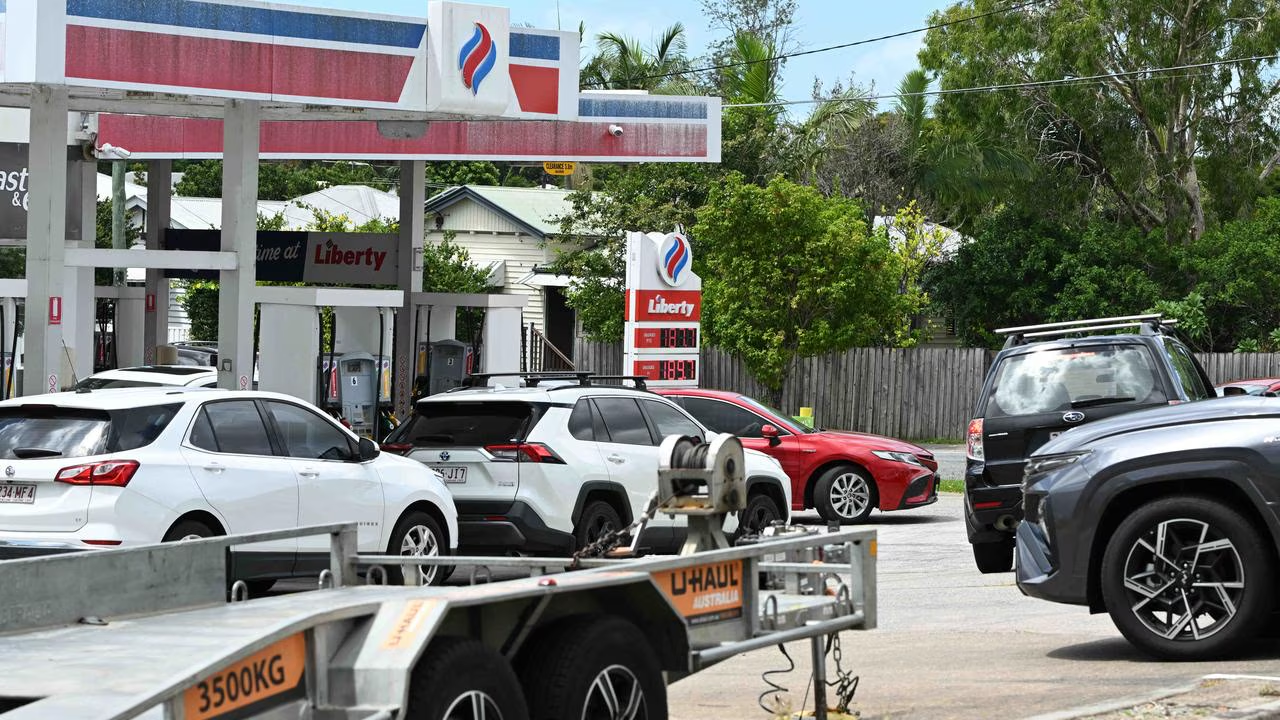
What Happens Next?
While the government is closely monitoring the situation, there is no immediate indication of severe shortages. However, the next few months are being described as “critical.”
Authorities are working on contingency plans, including strengthening fuel reserves and exploring alternative energy solutions. At the same time, global developments will play a key role in determining how long the pressure lasts.
A Moment for Awareness, Not Panic
Despite the serious tone, leaders are reassuring the public that Australia is not alone in facing these challenges. Many countries are dealing with similar fuel concerns, making it a shared global issue rather than a localized crisis.
The focus, for now, is on awareness, preparation, and responsible usage. If managed well, Australia can navigate this period without major disruption.
THANKS FOR READING
