
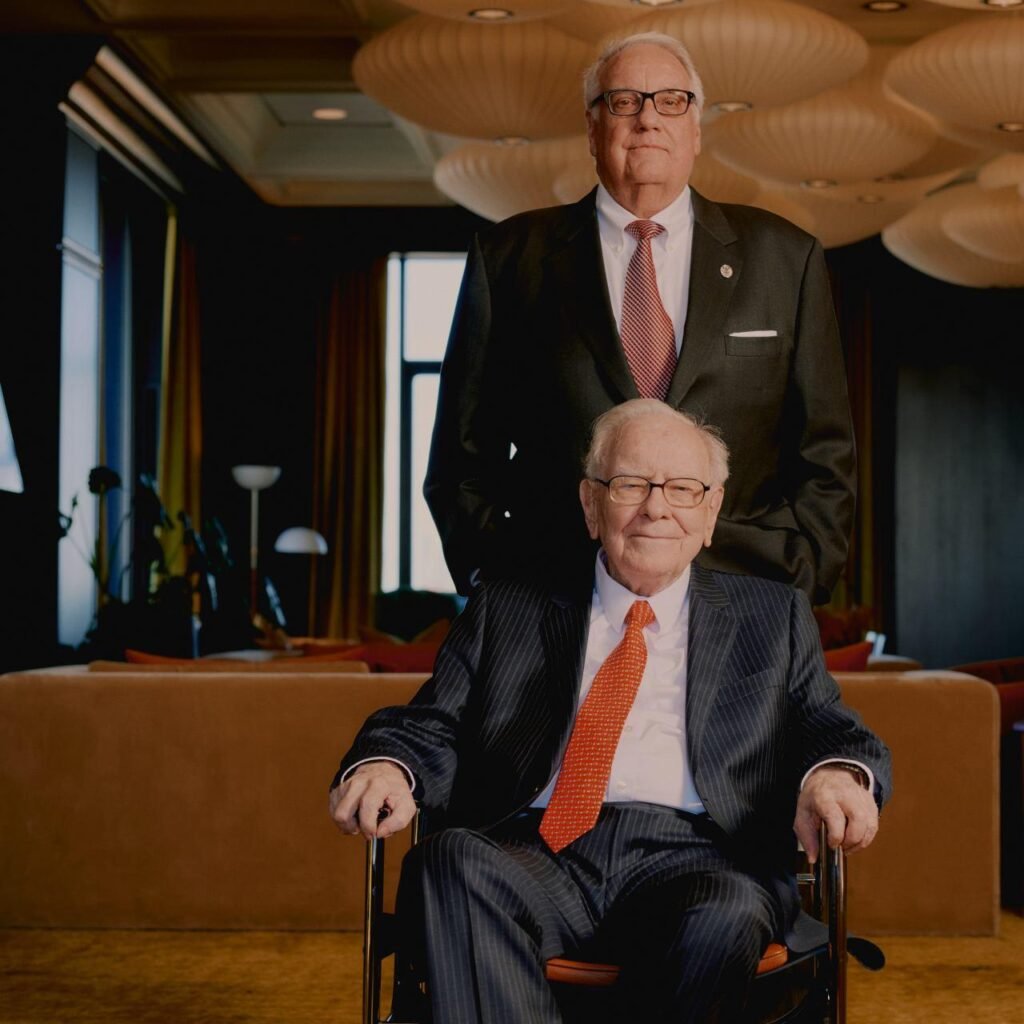
Warren Buffett Berkshire Hathaway
Warren Buffett Berkshire Hathaway Era Enters a New Chapter
Warren Buffett Berkshire Hathaway leadership has entered a historic new chapter. On September 18, 2026, Berkshire Hathaway announced that Buffett is stepping down as chairman of the company and becoming chairman emeritus, officially completing a leadership transition that has been closely watched across corporate America.
- Warren Buffett Berkshire Hathaway
- Warren Buffett Berkshire Hathaway Era Enters a New Chapter
- A Six-Decade Legacy Comes to a Close
- Warren Buffett Becomes Chairman Emeritus
- Howard Buffett Takes the Chairman’s Seat
- Greg Abel Remains in Charge of Operations
- Why This Transition Matters
- Berkshire’s Business Empire
- A Different Kind of Succession Plan
- Buffett’s Investment Legacy
- Berkshire’s Financial Strength
- What Warren Buffett Will Do Next
- What Howard Buffett Will Focus On
- Investors Enter the Post-Buffett Era
- A Historic Goodbye Without a Complete Farewell
- What Comes Next for Berkshire Hathaway?
Buffett, 96, will remain on Berkshire’s board and continue to provide his judgment and perspective. His son, Howard Buffett, has been named the company’s new chairman, while Greg Abel remains CEO and is responsible for running the business.
The announcement marks the end of one of the longest and most influential leadership eras in modern American business.
A Six-Decade Legacy Comes to a Close
The Warren Buffett Berkshire Hathaway story began in 1965, when Buffett took control of what was then a struggling textile company.
Over the following six decades, he transformed Berkshire into a sprawling conglomerate with interests ranging from insurance and railroads to energy, manufacturing, retail and investments.
Berkshire is now valued at roughly $1.1 trillion, making it one of the largest companies in the world.
Buffett’s approach was different from that of many corporate executives. Rather than constantly restructuring the company or chasing short-term targets, he emphasized long-term ownership, disciplined capital allocation and giving managers considerable independence.
That philosophy became one of Berkshire’s defining characteristics.
Warren Buffett Becomes Chairman Emeritus
Buffett’s new title, chairman emeritus, reflects his continuing connection to Berkshire while formally ending his role as chairman.
According to Berkshire’s announcement, Buffett will remain a director and continue offering his perspective to the company.
In a letter to shareholders dated September 18, Buffett reflected on his more than 60 years with Berkshire and said the timing was right to complete the transition. He also expressed confidence in Greg Abel and said he looked forward to remaining a Berkshire shareholder.
The move means Buffett will no longer be the person formally leading Berkshire’s board.
But his influence will not disappear overnight.
Howard Buffett Takes the Chairman’s Seat
The new chairman is Howard Buffett, Warren Buffett’s eldest son.
Howard has served on Berkshire Hathaway’s board for 33 years, giving him a long history with the company and its leadership.
His role will be different from his father’s traditional position.
Howard will not serve as Berkshire’s CEO. Instead, his primary responsibility will be protecting the company’s culture and values while Greg Abel manages the business.
Warren Buffett’s shareholder letter made that distinction clear: Greg Abel runs the company, while Howard Buffett will serve as a guardian of Berkshire’s culture and values.
The arrangement reflects a succession plan that has been discussed for many years.
Greg Abel Remains in Charge of Operations
For investors watching the Warren Buffett Berkshire Hathaway transition, Greg Abel is arguably the most important executive to understand.
Abel became Berkshire’s CEO on January 1, 2026, after Buffett handed over the company’s top executive role.
His appointment was not a sudden decision. Buffett had publicly identified Abel as his successor before the leadership transition began.
Abel joined the Berkshire organization through its acquisition of MidAmerican Energy in 2000 and later became vice chairman responsible for Berkshire’s non-insurance businesses.
His experience includes overseeing major operations in energy, railroads, manufacturing and other industries.
With Buffett now stepping away from the chairmanship, Abel’s role becomes even more central to Berkshire’s future.
Why This Transition Matters
The Warren Buffett Berkshire Hathaway leadership change matters because Berkshire has been closely associated with Buffett for decades.
For generations of investors, the company has effectively been an extension of Buffett’s investment philosophy.
His annual shareholder letters, public appearances and famous Berkshire Hathaway annual meetings helped make the company unlike many other large corporations.
Investors often watched not only Berkshire’s financial results but also Buffett’s comments on markets, business management and long-term investing.
That personal connection created what financial analysts have sometimes called a “Buffett premium” around Berkshire’s shares.
Reuters reported that Berkshire’s price-to-book valuation had declined since Buffett announced his CEO succession plans, reflecting some of the market’s concerns about Berkshire without Buffett in day-to-day executive leadership.
Berkshire’s Business Empire
The company Buffett built is far larger than a traditional investment firm.
Berkshire Hathaway owns or operates businesses including GEICO, BNSF Railway, Berkshire Hathaway Energy and Dairy Queen, along with numerous industrial, manufacturing and consumer businesses.
Its corporate holdings also include large investments in publicly traded companies.
Berkshire’s official list of subsidiaries shows the extraordinary breadth of the organization, spanning insurance, transportation, energy, manufacturing, retail and other industries.
That diversification has been central to Berkshire’s identity.
The company can generate cash from one part of the organization and deploy capital elsewhere without depending on a single industry.
A Different Kind of Succession Plan
Many major companies face leadership transitions when a founder or longtime executive retires.
Berkshire’s process has been unusually public and carefully prepared.
Buffett began discussing succession years ago, and Berkshire’s leadership structure has gradually changed.
Greg Abel moved into a larger operational role before becoming CEO. Howard Buffett remained a longtime board member. Other senior executives continued managing important parts of the conglomerate.
That gradual approach has allowed Berkshire to avoid a sudden leadership vacuum.
Reuters described the latest change as the completion of a long-anticipated succession process rather than an unexpected change in direction.
Buffett’s Investment Legacy
The Warren Buffett Berkshire Hathaway legacy extends far beyond the company’s stock price.
Buffett became famous for emphasizing patience, understanding businesses before investing and avoiding unnecessary activity.
His investment philosophy influenced generations of individual investors, professional money managers and corporate executives.
Some of Berkshire’s most famous investments included Coca-Cola and other major American companies.
The company also made major strategic acquisitions, including BNSF Railway, while building a huge insurance operation that became a major source of capital for Berkshire’s investments.
Over the decades, Buffett turned those principles into a corporate model that many investors attempted to study and replicate.
Berkshire’s Financial Strength
The leadership transition comes while Berkshire remains a financial powerhouse.
In the second quarter of 2026, Berkshire reported operating profit of $12.98 billion, up 16% from the prior year, according to Reuters. Net income more than doubled to $25.67 billion, although that figure included unrealized gains and losses on investments.
Those numbers show that Berkshire enters the post-Buffett chairman era from a position of substantial scale.
However, future performance will depend on decisions made by the company’s new leadership team, broader market conditions and the performance of Berkshire’s many businesses and investments.
What Warren Buffett Will Do Next
Although Buffett is leaving the chairman’s position, he is not disappearing from Berkshire completely.
He will remain a director and shareholder.
The company has also made clear that Buffett will continue to offer his judgment and perspective.
That means Berkshire shareholders may still hear from the legendary investor, although his role will be fundamentally different from the one he held for decades.
The distinction between retirement from leadership and complete departure is important.
Buffett is stepping away from formal executive authority, but he remains connected to the company he transformed.
What Howard Buffett Will Focus On
Howard Buffett’s new responsibility is particularly interesting because Berkshire’s corporate culture has long been considered one of its most valuable assets.
Berkshire operates through a decentralized model, with managers at individual businesses given significant autonomy.
Maintaining that culture will be one of Howard’s central responsibilities as chairman.
Reuters reported that Howard has described Berkshire’s culture in terms including simplicity, fairness and transparency.
His long tenure as a Berkshire director gives him extensive familiarity with the company’s structure and values.
Investors Enter the Post-Buffett Era
The Warren Buffett Berkshire Hathaway transition will now shift attention toward Greg Abel and the broader leadership team.
Investors will watch how Abel approaches capital allocation, acquisitions, investments and Berkshire’s operating businesses.
They will also watch whether the company maintains the conservative financial approach associated with Buffett.
Another major question is whether Berkshire can preserve its unique corporate culture as it moves further into a new generation of leadership.
Those answers will take time.
A Historic Goodbye Without a Complete Farewell
Buffett’s departure as chairman is historic because few corporate leaders have remained so closely connected with one company for so long.
For more than 60 years, he helped transform Berkshire from a struggling textile manufacturer into a diversified global conglomerate.
Now, the company is moving into a new phase.
Buffett himself acknowledged the role of time in his shareholder letter, writing that “Father Time always wins” while expressing confidence about Berkshire’s future.
The message captures the nature of the transition: the company is moving forward, but Buffett’s influence remains part of its foundation.
What Comes Next for Berkshire Hathaway?
The immediate leadership structure is now clear:
- Warren Buffett: Chairman Emeritus and Berkshire director
- Howard Buffett: Chairman
- Greg Abel: CEO
- Berkshire Hathaway: Continues operating as a diversified conglomerate
The next phase will test how well the organization can preserve the principles that made it successful while adapting to a new generation of leadership.
For shareholders, the focus will increasingly move from what Buffett would do to what Abel and the broader Berkshire team decide to do.
Final Thoughts
The Warren Buffett Berkshire Hathaway era has reached a major turning point.
Buffett is stepping down as chairman after more than six decades with the company, becoming chairman emeritus and remaining on the board.
His son Howard Buffett will take over as chairman, while Greg Abel
