
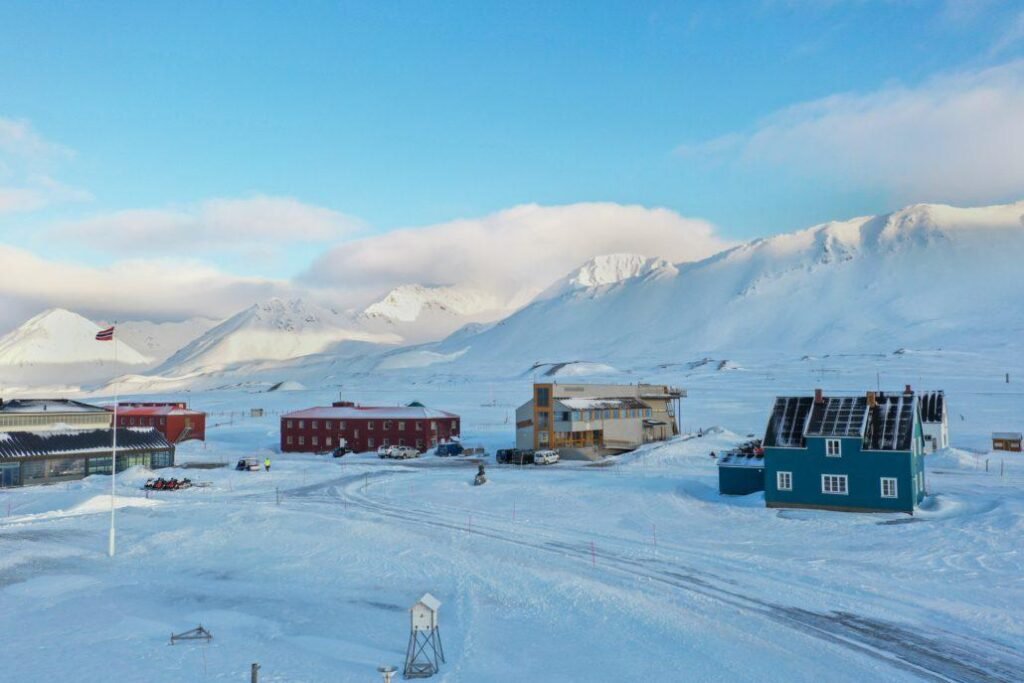
Svalbard is emerging as a critical geopolitical flashpoint as global powers compete for influence in the Arctic. Learn why this remote Norwegian territory is drawing worldwide attention.
For years, Greenland has dominated headlines whenever discussions turned to Arctic geopolitics. But today, another frozen territory is quietly becoming one of the world’s most important strategic flashpoints. That place is Svalbard, a remote Norwegian archipelago located halfway between mainland Norway and the North Pole.
Although home to fewer than 3,000 permanent residents, Svalbard is attracting growing attention from global powers because of its unique legal status, valuable natural resources, expanding shipping routes, and strategic military location. As climate change reshapes the Arctic landscape and competition intensifies among NATO members, Russia, and China, this isolated group of islands is becoming increasingly significant on the world stage.
Why Svalbard Matters More Than Ever
Unlike many Arctic territories, Svalbard operates under a unique international agreement known as the 1920 Svalbard Treaty. The treaty recognizes Norway’s sovereignty over the islands while allowing citizens and companies from dozens of participating nations to live, work, and conduct business there under equal conditions.
For decades, that arrangement encouraged peaceful scientific research and international cooperation. Today, however, rising geopolitical competition is putting that balance under increasing pressure.
As Arctic sea ice continues to shrink, previously inaccessible shipping lanes are becoming more practical for international trade. At the same time, valuable deposits of rare earth minerals, energy resources, and fisheries are drawing new economic interest from governments and private companies alike.
A Strategic Location in the High North
The location of Svalbard makes it especially important.
Situated deep inside the Arctic Ocean, the islands overlook major northern sea routes connecting Europe, North America, and Asia. Any increase in commercial shipping or military activity in these waters places Svalbard at the center of Arctic security planning.
Military analysts say the Arctic is no longer viewed simply as a frozen wilderness. Instead, it has become an emerging strategic corridor where surveillance, naval operations, satellite communications, and missile defense all play increasingly important roles.
Russia’s Longstanding Presence
One of the factors attracting international attention is Russia’s historic presence on Svalbard.
Russian citizens continue to operate a settlement at Barentsburg under the terms of the Svalbard Treaty. Although the community primarily supports mining and research, relations between Russia and Western countries have become increasingly strained following broader geopolitical conflicts.
Norwegian officials have emphasized that Svalbard remains Norwegian territory while continuing to enforce treaty obligations equally for all participating nations. However, experts note that disagreements over fishing rights, infrastructure, research activities, and Arctic governance have become more frequent.
Climate Change Is Changing Everything
Climate change is dramatically transforming the Arctic faster than almost anywhere else on Earth.
Melting sea ice is opening new maritime corridors that could reduce shipping times between Europe and Asia by thousands of miles. These routes promise economic opportunities but also introduce new security concerns.
As previously ice-covered regions become accessible, governments are increasing investments in ports, research stations, communication networks, and military infrastructure.
Scientists also warn that the environmental risks remain enormous. Arctic ecosystems are among the world’s most fragile, meaning increased industrial activity could have long-lasting consequences for wildlife and local communities.
NATO Is Paying Closer Attention
Growing Arctic competition has prompted NATO members to strengthen cooperation throughout the High North.
Following increased concern about regional security, NATO has expanded planning focused on Arctic surveillance, emergency response, and protecting critical infrastructure. Officials argue that maintaining stability in the Arctic is essential for both European and North American security.
Norway has also increased patrols and monitoring around Svalbard, stressing that the goal is deterrence, transparency, and maintaining peace rather than escalating tensions.
Natural Resources Fuel Global Interest
Another reason Svalbard has become strategically valuable is its potential access to natural resources.
Although environmental protections limit large-scale development, the surrounding Arctic region contains significant reserves of oil, natural gas, fisheries, and critical minerals needed for electric vehicles, renewable energy technologies, and advanced electronics.
Countries seeking long-term resource security are paying closer attention to Arctic territories than ever before.
Experts believe competition over these resources will likely remain one of the defining geopolitical challenges of the coming decades.
Science and Diplomacy Continue Together
Despite growing tensions, Svalbard remains an important center for scientific cooperation.
Researchers from around the world study glaciers, climate change, wildlife, marine ecosystems, and atmospheric conditions from research stations across the islands.
The territory is also home to globally significant scientific infrastructure, including facilities that monitor climate trends and support international environmental research.
Many experts hope scientific collaboration can continue serving as a bridge between nations, even during periods of broader political disagreement.
Why This Story Matters
Although Greenland often dominates discussions about Arctic geopolitics, Svalbard illustrates that the Arctic’s future involves far more than one island.
The region is becoming increasingly interconnected through trade, technology, climate change, and international security. Decisions made today regarding Arctic governance could influence global shipping, energy supplies, environmental protection, and military stability for decades.
For policymakers, balancing economic opportunity with environmental responsibility will remain one of the greatest challenges facing the international community.
Looking Ahead
The growing focus on Svalbard reflects a broader shift in global geopolitics. As Arctic ice retreats and international competition increases, remote northern territories are becoming more strategically valuable than ever before.
Norway continues to emphasize peaceful governance under international law, while other nations closely watch developments across the High North. Whether Svalbard remains a symbol of international cooperation or evolves into a more contested geopolitical arena will depend largely on diplomacy, responsible leadership, and continued respect for international agreements.
Summary
Svalbard has quietly emerged as one of the world’s most important Arctic territories. Its strategic location, international treaty status, scientific importance, and proximity to valuable shipping routes and natural resources have transformed it into a growing geopolitical hotspot. While the islands remain peaceful today, rising global competition means Svalbard will likely play an increasingly significant role in international affairs in the years ahead.
