

The Silent Struggle of Small Businesses
Across cities and small towns, family-owned shops are fighting one of the toughest battles in years. From grocery stores and clothing shops to local hardware businesses, many independent store owners say survival has become harder than ever. Rising costs, online competition, changing shopping habits, and economic uncertainty are slowly pushing many small businesses to the edge.
For decades, these neighborhood stores were more than just places to shop. They were part of the community. Customers knew the owners personally, trusted their products, and often built relationships that lasted for years. But today, many of these businesses are seeing fewer customers walk through their doors.
Several shop owners say they are working longer hours while earning less money. Some have stopped hiring workers, while others are struggling to pay rent, electricity bills, and supplier costs. What once felt like a stable business now feels like a daily fight to stay open.

Online Shopping Has Changed Everything
One of the biggest reasons behind the decline of mom-and-pop shops is the rapid growth of online shopping platforms. Customers can now compare prices instantly and order products with just a few clicks. Large companies often offer heavy discounts that smaller businesses simply cannot match.
Many local store owners say they understand why customers shop online, especially during difficult financial times. However, competing against massive corporations with huge advertising budgets and nationwide delivery systems has become nearly impossible.
In many areas, traditional shops are losing customers not because of poor service, but because convenience now matters more than loyalty. Younger buyers especially prefer mobile shopping apps, fast delivery, and digital payments over visiting physical stores.
Rising Costs Are Creating Pressure
Small businesses are also facing a sharp increase in operating costs. Rent prices in commercial areas have increased in many regions, while electricity, transportation, and product supply costs continue to rise. Even basic business expenses are becoming difficult to manage.
Some owners say they have reduced staff to save money. Others are running their shops completely on their own because hiring workers is no longer affordable. A few have even started taking personal loans just to keep their businesses alive.
The emotional pressure is equally difficult. Many shopkeepers inherited these stores from parents or grandparents. Closing a family business often feels like losing a piece of personal history.
Communities Still Value Local Shops
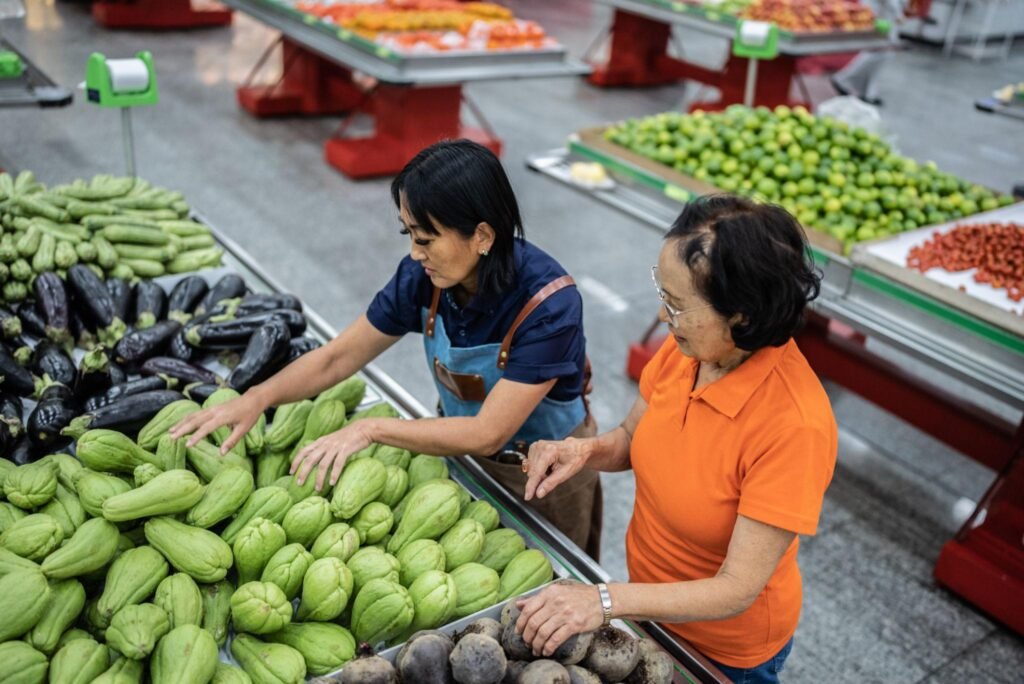
Despite these challenges, many customers still believe local businesses matter. Small shops often provide personalized service, trusted advice, and a human connection that large chains cannot replace.
During festivals, emergencies, or difficult times, neighborhood stores are usually the first to help local families. In many communities, they also support nearby suppliers and create local jobs.
Some small businesses are adapting by using social media, offering home delivery, or creating online ordering systems. Others are focusing on specialty products and customer relationships to stay competitive.
Business experts say communities can help local shops survive by choosing to shop locally whenever possible. Even small purchasing decisions can make a major difference for independent businesses trying to stay open.
A Fight That Is Far From Over
The disappearance of mom-and-pop stores is not happening overnight, but the warning signs are becoming impossible to ignore. Every closed shop represents not only a lost business, but also a lost dream, a lost job, and a missing piece of community life.
Still, many shop owners refuse to give up. They continue opening their doors every morning with hope that loyal customers will return and better days will come. Their resilience reflects the determination that built these businesses in the first place.
As economic pressures continue to grow, the future of small businesses may depend on how strongly communities, governments, and consumers choose to support them. For many local shop owners, survival is no longer just about profit — it is about protecting a legacy built over generations.
Conclusion
Small businesses remain the heart of many communities, even as they face increasing financial and competitive challenges. While online shopping and rising costs continue to threaten their future, many independent shop owners are still fighting with courage and determination. Supporting local stores does more than help a business survive — it helps preserve community identity, local jobs, and personal connections that cannot be replaced by large corporations.
